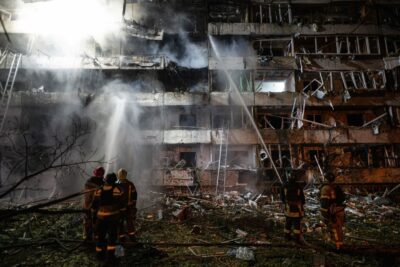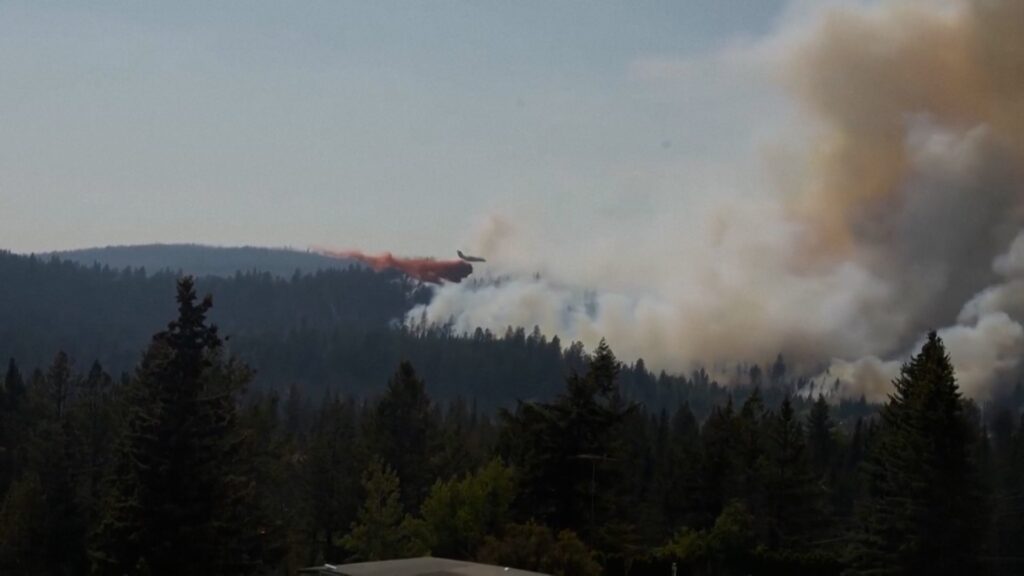
The Pacific Northwest is currently experiencing a severe wildfire crisis, with fast-moving fires prompting mass evacuations across Washington State in the United States and neighboring British Columbia in Canada. These wildfires have spread rapidly due to a combination of dry conditions, high temperatures, and strong winds, creating an urgent threat to residential areas and natural landscapes alike.
In Washington State, local authorities have issued evacuation orders for several communities in the path of the flames. Firefighters are working around the clock to contain the blazes, but the intensity and speed of the fires have made containment efforts extremely challenging. The Washington State Department of Natural Resources has reported multiple active fires, some of which have scorched thousands of acres in a short period.
Meanwhile, across the border in British Columbia, emergency services have also declared numerous evacuation alerts. Residents in affected areas have been advised to leave immediately and seek shelter in designated safe zones. The provincial government is coordinating with firefighting teams and emergency responders to manage resources effectively and assist displaced people.
The wildfires have disrupted daily life significantly, with road closures and power outages complicating evacuation and relief efforts. Several schools and businesses have temporarily shut down as the threat looms large. Environmental experts warn that climate change plays a critical role in increasing the frequency and severity of such wildfires, emphasizing the need for long-term strategies to mitigate these disasters.
Community support centers have been established to provide aid to evacuees, including shelter, food, and medical assistance. Volunteers and relief organizations are mobilizing to help those affected cope with the impact of the wildfires. Authorities urge citizens to stay informed through official channels and comply with safety instructions.
As firefighting efforts continue, the focus remains on protecting lives, property, and ecological systems. Officials are hopeful that changes in weather patterns, including potential rains, will aid in controlling the fires. However, the situation remains fluid, and residents in the Pacific Northwest must remain vigilant and prepared for further developments.
This wildfire outbreak is a stark reminder of the growing environmental challenges faced by regions prone to dry spells and heatwaves. It underscores the importance of community resilience, emergency preparedness, and sustained environmental stewardship to reduce the devastating effects of such natural disasters in the future.