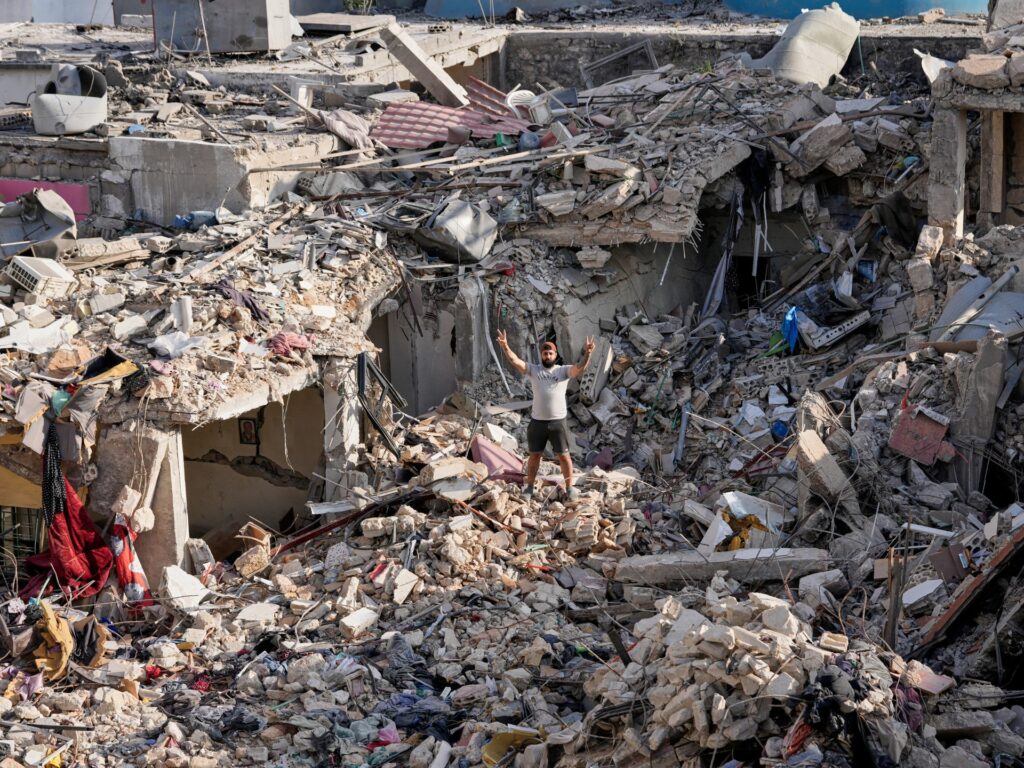
Tensions in the Middle East have escalated following an attack by Israeli forces in Lebanon that resulted in the deaths of four individuals. This incident is part of a broader conflict involving Iran and its regional allies, with Israel conducting military operations aimed at countering perceived threats.
The strikes by Israel have drawn sharp condemnation from various quarters, including former U.S. President Donald Trump who has publicly criticized Israeli Prime Minister Benjamin Netanyahu for the handling of these operations. Trump’s critique centers on the strategy and implications of Israel’s attacks in Lebanon, urging a reconsideration of the approach to ensure stability in the region.
The recent violence underscores the volatile nature of the Israeli-Lebanese border, where Hezbollah, an Iranian-backed militant group, maintains a strong presence. Israel has long viewed Hezbollah’s arsenal and operations as a direct threat, prompting preemptive and retaliatory strikes.
Experts warn that the ongoing hostilities risk further destabilizing the Middle East. The deaths of four individuals in Lebanon mark a sharp escalation that could provoke retaliatory measures, escalating the cycle of violence. The situation remains fluid, with international actors calling for restraint and dialogue.
Netanyahu, meanwhile, has defended Israel’s right to self-defense, emphasizing the need to respond decisively to threats from Hezbollah and other hostile entities in the region. His government maintains that the military actions are necessary to protect Israeli citizens from cross-border attacks.
The United States has historically been a key ally of Israel, but Trump’s public comments highlight internal disagreements on how to handle the conflict, reflecting broader debates about U.S. foreign policy in the Middle East.
The situation calls for renewed diplomatic efforts to prevent further loss of life and to seek a sustainable resolution to the tensions between Israel, Lebanon, and Iran. Without such efforts, the risk of a broader regional conflict remains significant, with consequences that could affect global security and economic stability.
As the situation develops, on-the-ground reports and official statements will continue to provide insight into the evolving dynamics of this critical regional conflict, highlighting the urgent need for peace and stability in the Middle East.