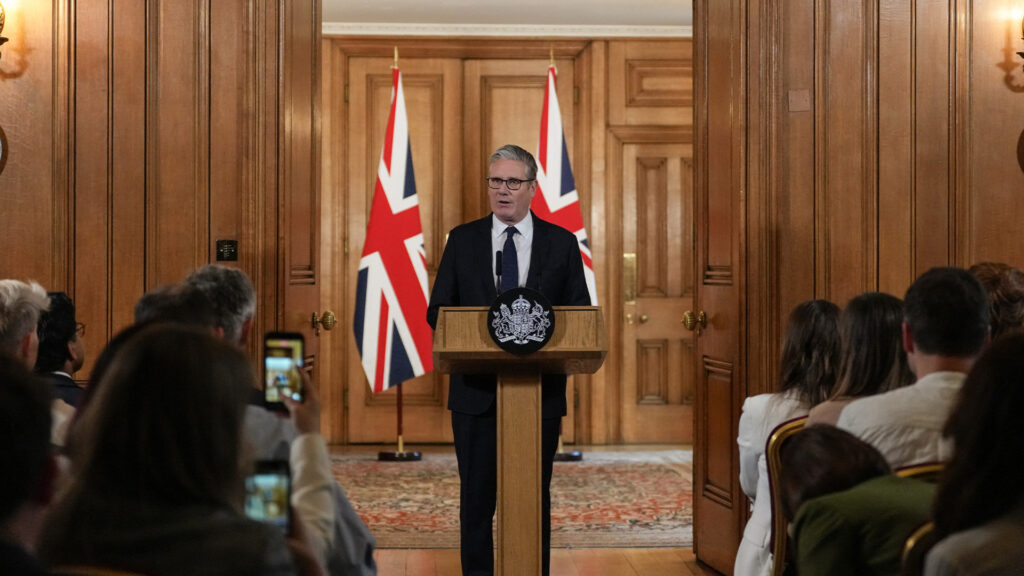
In a landmark decision aimed at protecting young people, British Prime Minister Keir Starmer has announced that the UK will impose a ban on social media use for individuals under the age of 16. This policy move reflects growing concerns about the impact of social media platforms on the mental health and well-being of children and teenagers.
Prime Minister Starmer emphasized that the decision comes after extensive consultations with health experts, educators, and child advocacy groups. The ban is intended to create a safer environment for younger users by limiting their exposure to potential online harms such as cyberbullying, misinformation, and addictive usage patterns.
The UK government plans to enforce the ban by requiring social media platforms to implement age-verification technologies that will prevent users under 16 from registering or accessing content. Platforms failing to comply could face substantial fines or legal action.
This pioneering legislation places the UK among the first countries to take stringent regulatory action on social media usage among adolescents. Experts suggest that the ban could lead to significant shifts in how young people interact with digital media and may push them towards alternative forms of offline and supervised online activities.
Critics of the ban argue that it may be difficult to enforce effectively and could drive underage users to less regulated or more dangerous platforms. Parents and educators have expressed mixed reactions, with some supporting the government’s protective approach and others concerned about potential restrictions on freedom of expression and information access for younger teens.
The government assured that measures will be accompanied by educational campaigns to inform families about the risks and benefits of social media as well as programs to promote digital literacy among children and teens.
This announcement marks a major step forward in the UK’s efforts to address the challenges posed by the digital age, particularly the safeguarding of minors online, and sets a precedent that may influence social media policies worldwide.