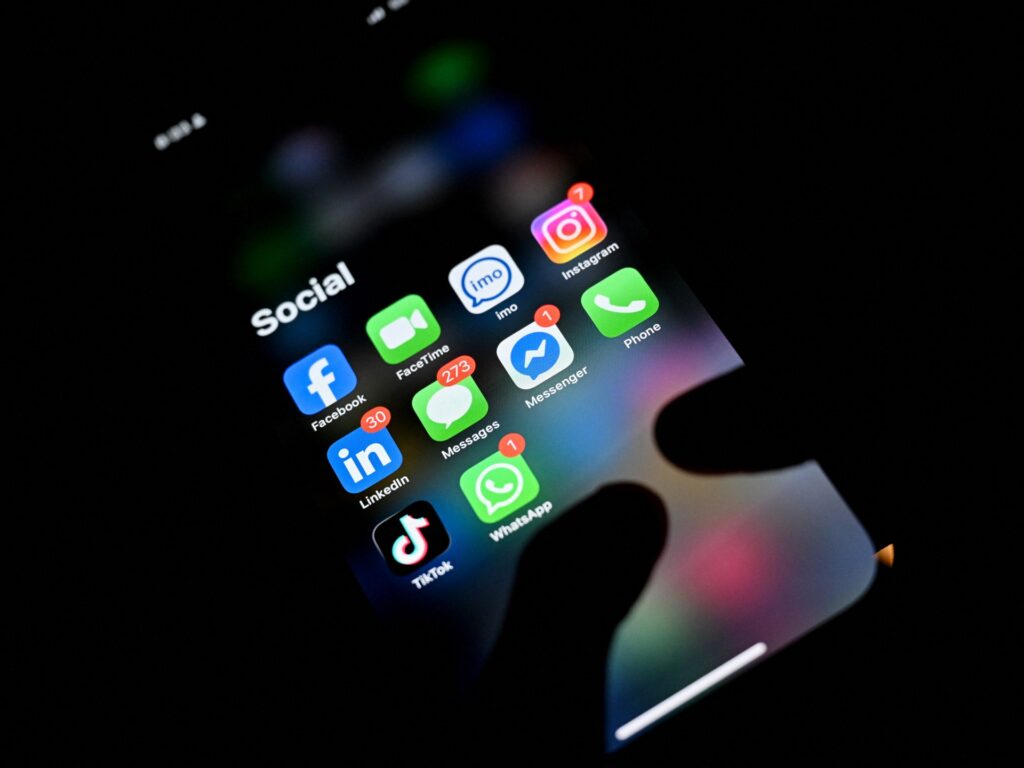
In a landmark move, the British government has announced a sweeping new ban restricting children under the age of 16 from accessing social media platforms. Prime Minister has voiced serious concerns about the impact of social media on young people, emphasizing the dangers of content that is not only unsafe but also designed to be addictive.
The new regulations aim to shield young users from inappropriate, harmful, and manipulative content widely prevalent on social media. Experts and child advocacy groups have long warned about the psychological and emotional toll that unrestricted access to social media can have on children.
According to the Prime Minister, the existing mechanisms on these platforms are inadequate in protecting vulnerable young users from harmful material and the addictive nature of many apps. “We are taking firm action to ensure that our children can grow up safe and healthy,” stated the Prime Minister during a recent press conference.
The legislation will require social media companies to implement stricter age verification processes to prevent under-16s from creating accounts or using their platforms. Companies found violating the rules will face significant fines and regulatory scrutiny.
Social media platforms have faced criticism worldwide for fostering environments that can contribute to anxiety, depression, and other mental health issues, particularly among teenagers. The addictive design of many platforms, including endless scrolling and frequent notifications, has been cited as a tactic that hooks young users, making it harder for them to disengage.
Proponents of the ban argue that protecting children from such exposure is crucial in preserving mental health and encouraging real-world social interactions. Critics, however, have raised concerns about the enforceability of the ban and potential impacts on freedom of expression and digital literacy.
In support of the move, child psychologists have highlighted evidence linking excessive social media use to lowered self-esteem, disrupted sleep patterns, and heightened risks of cyberbullying. They underscore the need for a safer online environment tailored to children’s developmental needs.
The government plans to work closely with technology companies, educational institutions, and parents to enforce the new rules and promote digital safety education. Public awareness campaigns are also planned to equip families with tools to manage online activity responsibly.
This sweeping ban on under-16 social media use marks a significant shift in policy aimed at curbing the growing public health concerns related to digital technology and young people’s wellbeing. It sets a precedent for other nations grappling with similar issues in the digital age.
As this policy unfolds, its effectiveness and impacts will be closely watched globally, potentially shaping how societies interact with social media and protect younger generations in an increasingly connected world.