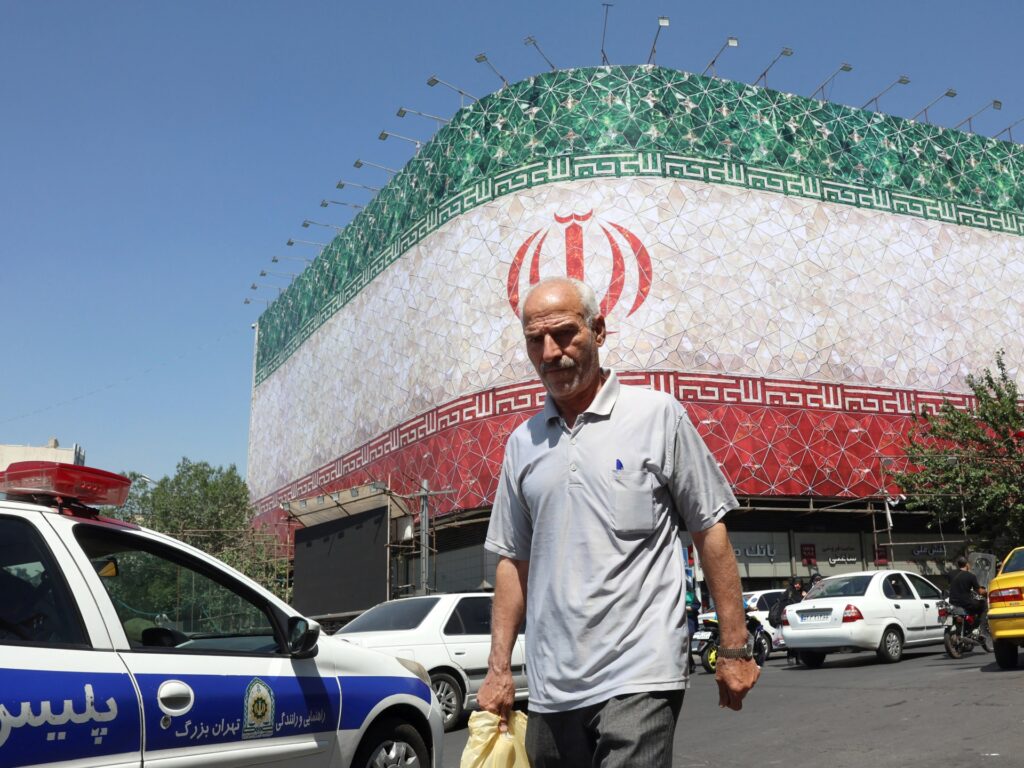
As efforts to finalize a significant deal between Iran and the United States reach a critical stage, anticipation and pushback are mounting within Iran. Mediators have been diligently working behind the scenes to bring both parties to an agreement that could reshape geopolitical dynamics and ease longstanding tensions. However, the process faces considerable challenges from various internal and external forces.
In the midst of diplomatic negotiations, the wider Middle East remains volatile. Recently, Israel launched another attack on Beirut, Lebanon. This strike is widely perceived as an attempt to test the resilience of the proposed Iran-US agreement and potentially derail ongoing diplomatic efforts. The attack has not only increased regional tensions but also raised concerns among international observers about the deal’s prospects for success.
The diplomatic initiative aims to address critical issues surrounding Iran’s nuclear program and sanctions that have impacted the region’s stability and global energy markets. Iranian authorities show mixed reactions; while some factions support the deal for its promise of economic relief and reintegration into global systems, others vehemently oppose perceived concessions to the United States.
Iranian mediators, alongside European and UN-backed negotiators, are navigating a complex landscape of political pressures, regional rivalries, and the strategic interests of global powers. Their work involves maintaining a delicate balance between Iran’s internal politics and the international community’s demands.
Israel’s strike on Beirut highlights a broader regional contest, where various actors seek to influence outcomes that affect their security and political ambitions. Lebanon’s government has condemned the attack, calling it a violation of sovereignty and expressing solidarity with the victims and their families. The local population remains on edge, facing the ongoing threat of escalation amid fragile peace prospects.
International reaction to these developments has been varied. While some nations emphasize the importance of dialogue and diplomacy, others reinforce support for Israel’s right to defend itself. The attack and its timing appear aimed at sending a message about the fragile nature of Middle Eastern peace efforts.
As mediators work to finalize the Iran-US deal, uncertainties remain high. The outcome could significantly influence not just Iran and the United States, but the entire region’s political and security landscape. Many hope diplomacy will prevail despite the provocations and complexities involved, signaling a potential new chapter for regional peace and cooperation.