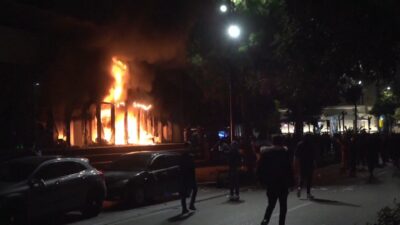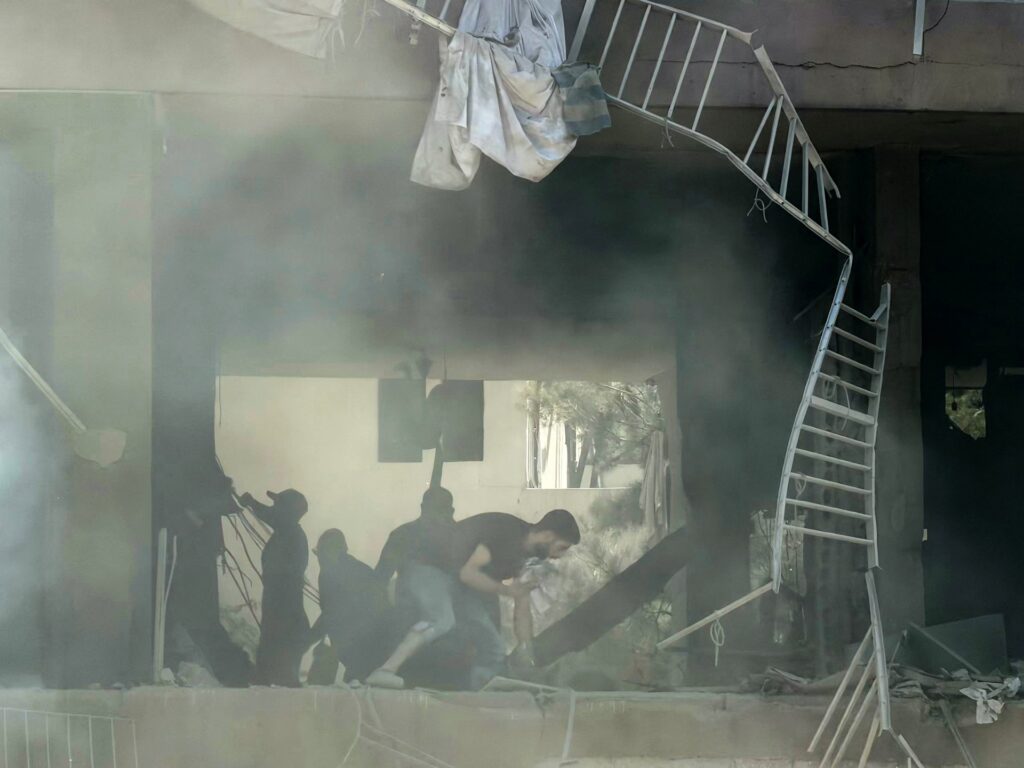
In a recent escalation of conflict, Israel launched a series of attacks on southern Beirut, resulting in at least three fatalities. The strikes mark a significant intensification in the ongoing volatile situation between Israel and Lebanon. Details about the casualties and the extent of damage caused by the attacks are still emerging, with local officials confirming the deaths and calling for emergency response measures.
The attacks have sparked international concern, highlighting the fragile state of peace in the region. Israel has issued stern warnings about potential further military actions, emphasizing its stance on security and defence against threats it perceives from Lebanon. The Israeli government maintains that these strikes are necessary to counteract hostile activities originating from southern Lebanon.
Amid these developments, Iran has stepped forward with a strong political statement. The Iranian government insists that Lebanon must be included in any forthcoming peace negotiations with the United States. Tehran’s position underscores the complex geopolitical dynamics at play, with Iran asserting its influence in Lebanon and the broader Middle East.
The demand by Iran for Lebanon’s inclusion in peace talks is significant. It reflects Tehran’s strategic interests and its commitment to backing its allies in the region. Lebanon’s role in any peace deals is vital, particularly due to the presence of Hezbollah, a powerful political and militant group supported by Iran.
International observers warn that excluding Lebanon from peace discussions could lead to further destabilization. They advocate for a comprehensive approach that addresses the concerns of all regional stakeholders to pave the way for sustainable peace.
The ongoing conflict highlights the delicate nature of Middle Eastern politics, where historical grievances, religious sectarianism, and international alliances intertwine. The recent airstrikes by Israel and the assertive stance from Iran signal a precarious phase, where diplomatic efforts must be heightened to prevent further bloodshed.
The casualty report has brought renewed calls from humanitarian organizations for immediate ceasefire and dialogue. Aid groups stress the importance of protecting civilians and ensuring that essential services are maintained despite the conflict.
As the situation develops, global powers and regional actors are closely monitoring the events. The international community’s response in the coming days will be critical in shaping the trajectory of peace efforts and stability in Lebanon and its neighboring countries.
This episode is yet another reminder of the urgent need for a durable resolution to the enduring conflicts in the Middle East, requiring a balanced and inclusive approach that respects the sovereignty and rights of all nations involved.