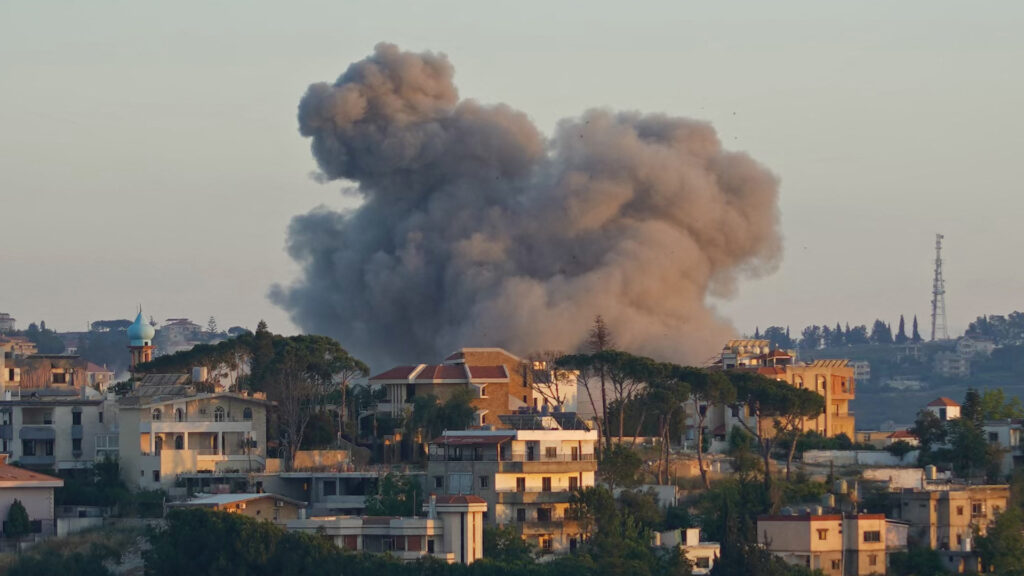
Recent developments in the Middle East have seen Israel persist with military actions against Lebanon despite reports of Iran’s inclusion in a potential peace memorandum. This situation unfolds against the backdrop of ongoing tensions and fragile diplomatic efforts aimed at stabilizing the region.
The memorandum of understanding, as suggested by Iranian sources, purportedly includes commitments that could pave the way for a broader peace framework. However, Israel’s continued strikes on Lebanese territory raise questions about the memorandum’s effectiveness or acceptance by all involved parties.
Lebanon and Israel have a long history of conflict, with Hezbollah, a Lebanese militant group backed by Iran, often at the center of hostilities. The current attacks by Israel might be interpreted as preventive or retaliatory measures against threats perceived from Lebanese soil.
Iran’s involvement in the peace discussions signals a complex geopolitical dynamic, where regional powers aim to influence outcomes in line with their strategic interests. Tehran’s role as a key backer of Hezbollah adds layers to the conflict, complicating straightforward diplomatic resolutions.
The military actions have led to casualties and property damage in Lebanon, exacerbating humanitarian concerns. The international community has expressed varying levels of concern and calls for restraint from all parties to avoid escalation.
Amid these challenges, diplomatic efforts continue, with hopes that inclusive dialogue involving all stakeholders, including Iran, Lebanon, and Israel, might eventually lead to a cessation of hostilities and a durable peace agreement.
Experts note that peace in the region requires addressing not just immediate security concerns but also underlying political, social, and economic issues that fuel long-standing animosities. The involvement of external powers further complicates but also potentially enriches the negotiation process.
The current scenario underscores the volatility of Middle Eastern geopolitics, where peace prospects often hinge on fragile understandings vulnerable to disruption by unilateral actions.
In conclusion, while the inclusion of Iran in peace talks presents a hopeful avenue, Israel’s ongoing attacks on Lebanon demonstrate the difficulties in translating diplomatic intentions into on-ground realities. The coming weeks will be critical in determining whether dialogue can overcome conflict in this turbulent region.