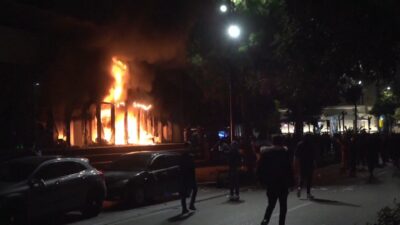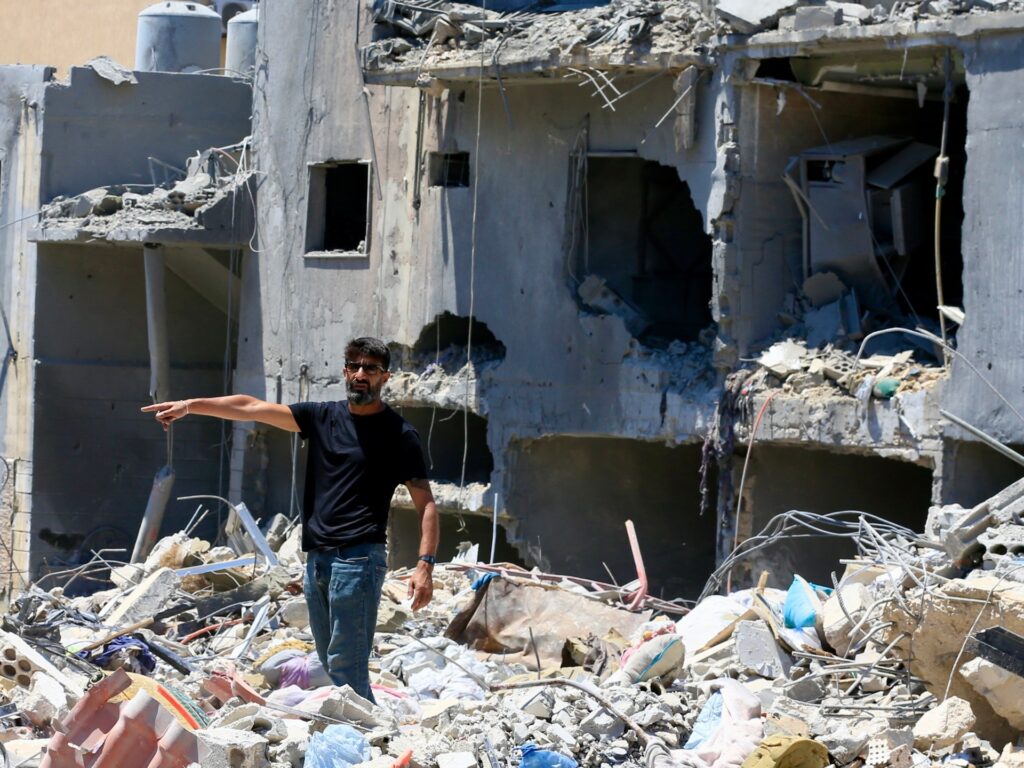
In a significant escalation of tensions in the Middle East, the Israeli military has launched strikes in southern Lebanon resulting in the death of four individuals. The military has also issued immediate forced displacement orders to residents of 20 towns and villages in the region, demanding they evacuate their homes without delay.
This development marks a severe intensification of the ongoing conflict between Israel and Hezbollah, the Lebanese militant group based in southern Lebanon. The Israeli Defense Forces (IDF) have cited security threats emanating from these areas as the reason for the military actions and the mass evacuation order.
The affected towns and villages, home to thousands of Lebanese civilians, now face abrupt disruption as families are forced to abandon their homes under short notice. Human rights organizations have expressed grave concern over the forced displacement, warning of the humanitarian implications including loss of shelter, disruption of livelihoods, and safety risks for vulnerable populations.
According to reports from the region, the Israeli strikes targeted militant positions believed to be used for launching attacks against northern Israeli territory. The casualties include both combatants and civilians, highlighting the increasingly blurred lines in the conflict zones.
Lebanon’s government has condemned the Israeli actions as violations of Lebanese sovereignty and international law. Lebanese officials have called for international intervention to halt the aggression and protect the rights of displaced persons.
The civilian population faces a precarious situation as winter approaches, complicating efforts for emergency shelter and aid. Aid agencies on the ground are mobilizing resources but are constrained by logistical challenges and security concerns in the volatile area.
The United Nations and other global bodies have responded with urgent calls for restraint from all parties involved, emphasizing the need to avoid further civilian casualties and ensure respect for human rights and international humanitarian law.
This latest escalation follows a series of tit-for-tat attacks along the Israel-Lebanon border that have destabilized an already fragile peace in the region. Analysts warn that the current trajectory may spiral into broader conflict unless diplomatic channels are re-engaged.
For residents of the 20 affected Lebanese towns and villages, the immediate priority remains safety and securing basic needs amidst the uncertainty caused by the forced displacement. The unfolding crisis underscores the urgent need for renewed peace efforts to prevent further escalation and protect civilian populations caught in the crossfire.
As the situation develops, the international community is closely monitoring the conflict, hopeful that diplomatic intervention can de-escalate tensions and pave the way for a peaceful resolution to the long-standing conflict in the region.