Chinese authorities have arrested a U.S. researcher suspected of espionage, confirming reports that have circulated in recent days. The individual in question, who specializes in studying the political dynamics of Myanmar, was detained as part of an investigation into alleged unauthorized intelligence activities.
Beijing’s Foreign Ministry has officially acknowledged the detention, stating that the individual is suspected of espionage but has not disclosed further details about the case. This development marks a serious escalation in tensions surrounding research and academic exchanges involving sensitive geopolitical topics.
The U.S. government has expressed deep concern over the arrest and is reportedly seeking more information about the circumstances under which the scholar was detained. The researcher was involved deeply in analyzing Myanmar’s complex political landscape, a country that shares a border with China and is of strategic interest in the region.
Analysts note that this incident highlights the sensitive nature of cross-border academic work, especially concerning countries like Myanmar where political issues are closely monitored by neighboring powers. The arrest may have broader implications for academic freedom and international relations between China and the United States.
Historically, China has been vigilant about foreign individuals involved in research or activities perceived as a threat to national security. The move to arrest a U.S. citizen on spying allegations underscores Beijing’s increasing efforts to safeguard its national interests against what it views as foreign interference.
The detention has sparked discussions among academic and diplomatic circles about the risks associated with conducting politically sensitive research within or related to China. Many fear this could result in heightened scrutiny and limitations on scholarly work, especially pertaining to nations within China’s sphere of influence.
Despite the serious nature of the charges, details about the evidence against the researcher remain scarce. Human rights observers and international legal experts are calling for transparency and due process to ensure that the individual’s rights are protected throughout any legal proceedings.
The United States is expected to engage diplomatically to gain consular access to the detained researcher and to clarify the charges against them. Meanwhile, China’s confirmation of the arrest serves as a stark reminder of the complexities that come with international research involving politically sensitive topics.
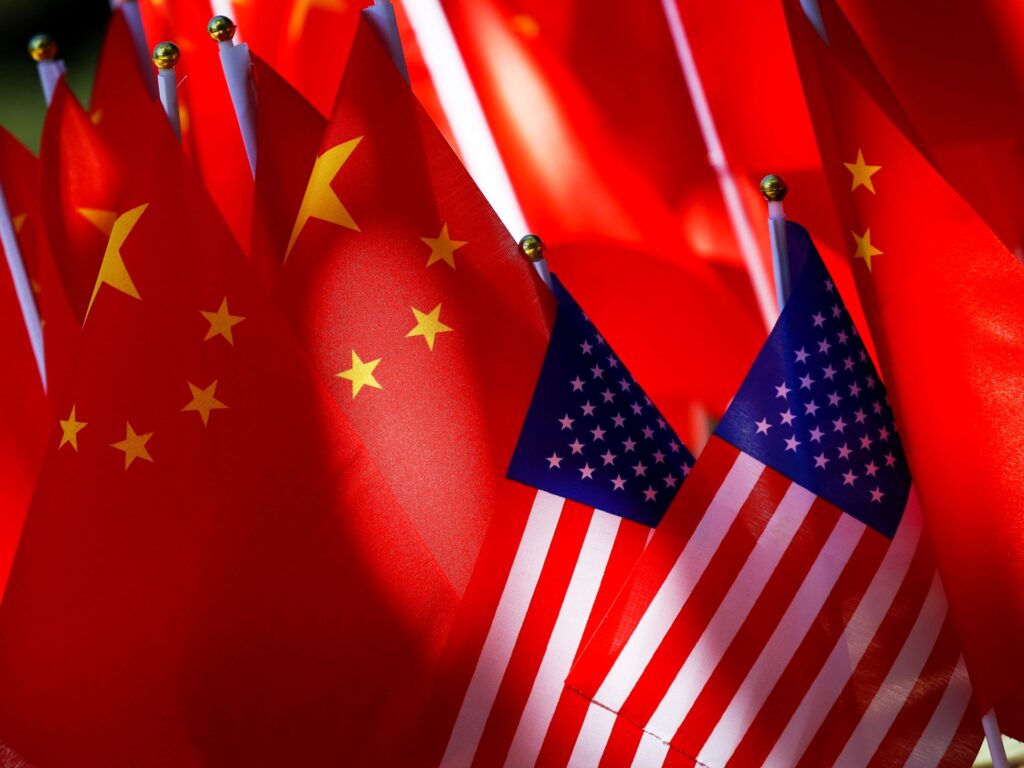
This event comes amid already strained U.S.-China relations, characterized by ongoing disputes over trade, technology, and security matters. It adds another layer of difficulty to diplomatic efforts aimed at cooperation and mutual understanding between the two global powers.
Observers will be watching closely to see how this case unfolds and what it might signal about the future of academic freedom and political research in the context of increasing geopolitical rivalry.