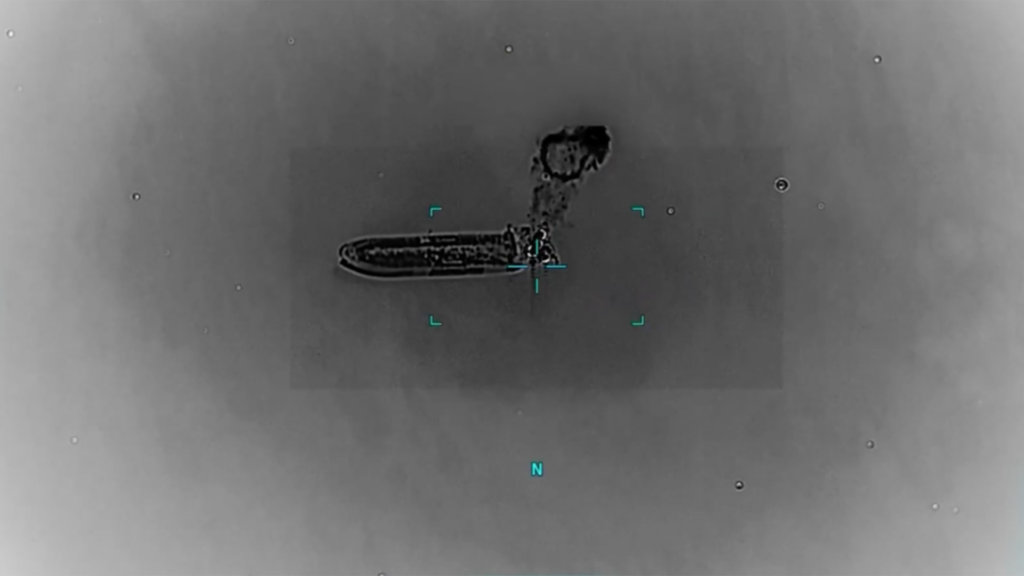
In a tragic incident, a US military strike targeting an oil tanker accused of transporting Iranian oil resulted in the death of three Indian sailors. The attack reflects the ongoing tensions surrounding maritime operations near the Middle East, where the US has been closely monitoring and restricting the movement of Iranian oil shipments due to sanctions and geopolitical conflicts.
The oil tanker was suspected of violating US-imposed sanctions that prevent the transport of Iranian crude oil, which has been a contentious issue amid efforts to curb Iran’s oil exports. The US strike was intended to incapacitate the vessel believed to be involved in this illicit transportation. However, the collateral damage claimed the lives of three innocent Indian crew members aboard the ship.
This incident has raised serious concerns and sparked outrage in India, where the government has condemned the loss of Indian nationals and called for accountability. Indian officials have demanded a thorough investigation into the circumstances leading to the strike and the measures taken to ensure the safety of civilian mariners in international waters.
The deaths of these sailors highlight the risks faced by seafarers working in conflict-prone zones and the complexities of enforcing economic sanctions on maritime traffic. The incident has also put the spotlight on the need for enhanced communication and coordination between military operations and commercial shipping entities to prevent tragedies.
International maritime law emphasizes the protection of civilian lives even in conflict scenarios, and there is pressure on the US to justify its operational decisions and mitigate the impact on non-combatants. The Indian government is actively engaging with US authorities to demand compensation for the families of the deceased sailors and to push for stronger safeguards in future military actions.
Furthermore, the strike has drawn attention to the broader geopolitical tensions in the Gulf region, where multiple countries’ interests intersect, raising the stakes for peaceful navigation and commerce. Shipping companies might now reconsider routes and security protocols to avoid similar incidents.
The incident also rekindles debates within the international community regarding the appropriate use of force in enforcing economic sanctions and the responsibilities towards crew safety on commercial vessels. This unfortunate event serves as a somber reminder of the human cost involved in geopolitical disputes and emphasizes the importance of balancing strategic interests with humanitarian considerations.
As investigations proceed, the maritime community, governments, and international organizations will likely seek improved frameworks and clearer rules of engagement to prevent loss of life and maintain stability in critical shipping lanes.
In conclusion, the killing of three Indian sailors during a US strike on an oil tanker accused of transporting Iranian oil is a grave incident underscoring the dangers faced by civilian crews in volatile regions. It calls for immediate diplomatic efforts, thorough inquiry, and revamped safety measures to protect seafarers and uphold international maritime norms.