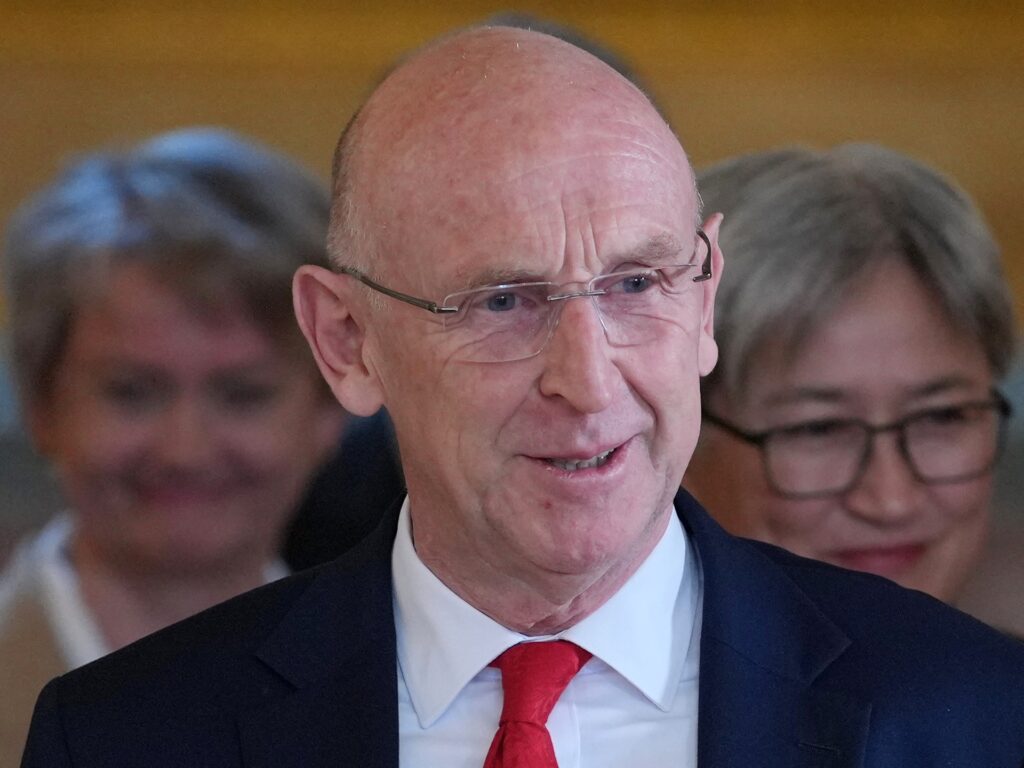
In a significant development in UK politics, Britain’s Defence Minister Healey has resigned from his position, citing concerns over defence spending. The minister’s departure comes amid growing debates and scrutiny regarding the allocation of funds to the nation’s defence sector.
Healey, who has been in office through a period marked by increasing geopolitical tensions and challenges, highlighted that inadequate defence budgets hinder the armed forces’ ability to effectively respond to current and future threats. His resignation letter emphasized the urgent need for increased investment to maintain the UK’s security and military capabilities.
The resignation has sent ripples through the government, prompting discussions among senior officials about the implications for national security policy. Defence spending has been a contentious issue, balancing fiscal responsibility with the necessity to equip and sustain the UK’s military forces.
Observers note that Healey’s departure could signal deeper divisions within the government over military priorities and resources. It raises questions about the approach the government will take moving forward to address defence challenges.
The government is expected to announce a replacement for Healey soon, while also reviewing its defence budget strategy to find a sustainable path forward. Analysts and political commentators predict that the forthcoming decisions will be critical in shaping the future of Britain’s defence policies.
This event underscores the complexities faced by nations worldwide in managing defence spending amidst economic pressures and evolving security environments. The UK government will likely face increased scrutiny from both the public and parliamentarians as it navigates this pivotal moment in its defence policy formation.