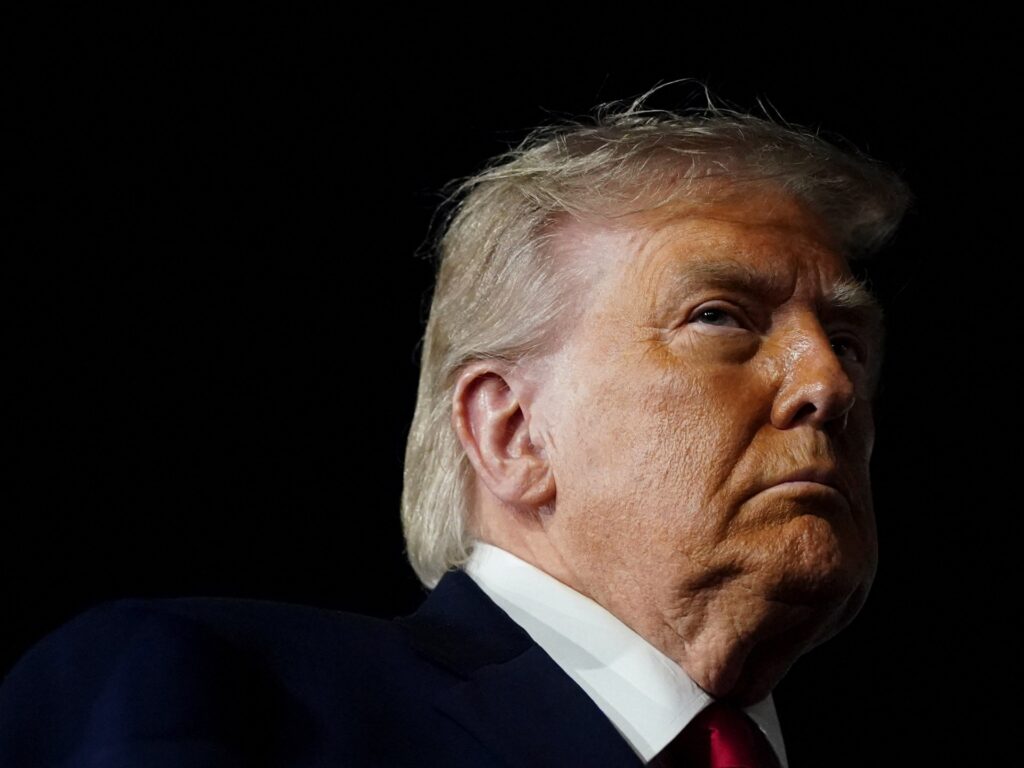
In a significant escalation of tensions, US President Donald Trump has adopted a hardline stance against Iran, stating that the United States “may keep going” with military strikes against the country. In recent statements, Trump boldly claimed that Iran is “completely defeated,” signaling a dramatic increase in rhetoric and threat levels directed at the nation.
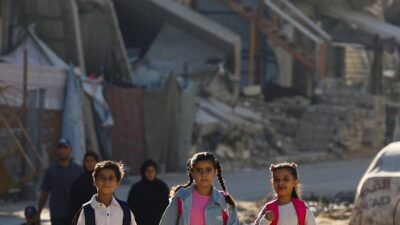
The president’s remarks come amid growing concerns over Iran’s nuclear program and regional activities, which the US administration views as destabilizing. Trump renewed threats to target Iran’s civilian infrastructure, raising alarms about the potential for widespread damage and humanitarian consequences. The hardening tone reflects a shift toward a more aggressive posture that could lead to further military actions.
Officials close to the administration have confirmed that the president’s comments are part of a broader strategy to pressure Tehran into curbing its nuclear ambitions and ceasing support for proxy groups in the Middle East. However, critics warn that such threats could inflame tensions and risk triggering a larger conflict.
Iranian leaders have condemned Trump’s statements as inflammatory and baseless, vowing to defend their sovereignty against any attacks. The renewed hostilities between the two nations underscore an already volatile situation in the region, increasing the risk of confrontation.
International observers are calling for restraint, urging both sides to engage in diplomatic dialogue to avoid escalation. The global community remains deeply concerned about the impact of ongoing threats and military actions on regional stability and security.
This development marks a critical juncture in US-Iran relations, with potential repercussions for global geopolitics and energy markets. The possibility of continued strikes and the explicit targeting of civilian infrastructure represent a serious escalation that could have far-reaching consequences for both nations and beyond.