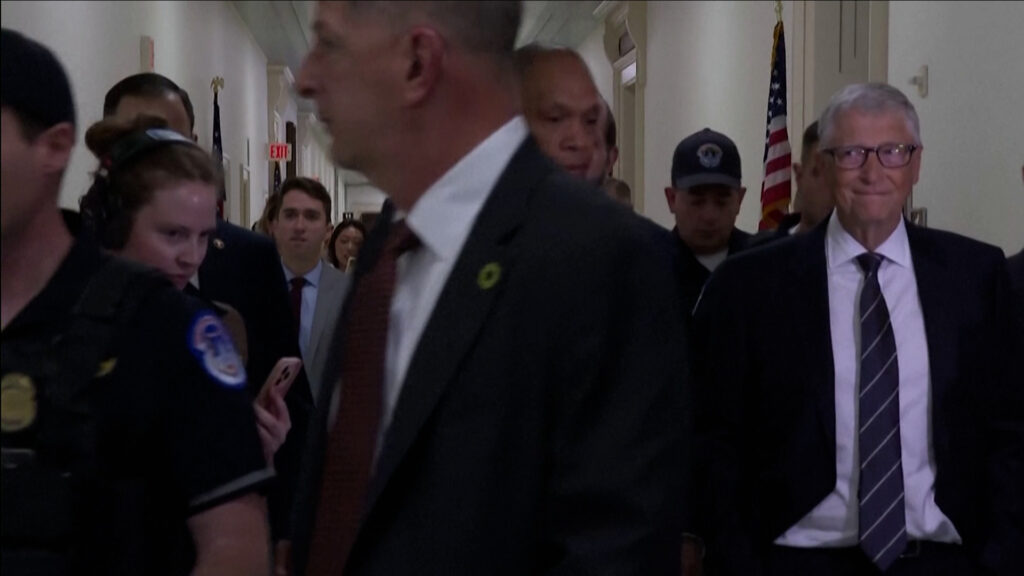
In a significant development, Microsoft founder Bill Gates appeared before Congress to testify regarding documents linked to Jeffrey Epstein. This testimony marks a crucial moment in the ongoing investigation into Epstein’s activities and connections.
Bill Gates, known globally for his work in technology and philanthropy, was called to provide insights into his association with Epstein and any relevant information contained in the files being scrutinized. The congressional session sought to uncover details about Epstein’s network and the potential involvement of prominent figures.
During the testimony, Gates addressed his past interactions with Epstein, emphasizing that his meetings were limited and strictly professional. He stated that he deeply regretted any association with Epstein, given the latter’s criminal conduct allegations and convictions.
Lawmakers expressed a strong interest in understanding the extent of Epstein’s influence and how individuals in high-profile positions might have intersected with his operations. They aimed to shed light on the mechanisms that allowed Epstein to operate despite previous arrests and public scrutiny.
The hearing also focused on examining the newly released Epstein files, which contain extensive documentation, including financial records and communications. These documents are believed to reveal the scope of Epstein’s criminal enterprise and its reach into elite social and business circles.
Bill Gates’ appearance before Congress highlights the broader effort to hold accountable those who had any form of connection with Epstein, directly or indirectly. The investigation is part of a larger initiative to ensure transparency and justice in cases involving sexual abuse and trafficking.
Legal experts suggest that the Congressional hearings could lead to further inquiries and possibly new legislation aimed at preventing similar abuses in the future. The scrutiny of Epstein’s files could also prompt investigations into other individuals highlighted by the evidence.
Public reaction to Gates’ testimony has been mixed, with some viewing it as a necessary step toward accountability, while others express skepticism about the depth of the inquiry. Nonetheless, the hearing signifies the seriousness with which lawmakers are approaching the Epstein case.
In the wake of the testimony, Congress may call additional witnesses and experts to provide a more comprehensive understanding of the network Epstein built and maintained. This ongoing probe aims to support victims of Epstein’s crimes and prevent future exploitation.
Bill Gates’ role in this context serves as a reminder of the complexities involved when powerful figures intersect with criminal investigations. The Epstein files, now under intense examination, could reshape public understanding of scandal and influence in the highest echelons of society.
As the investigation unfolds, many await further disclosures and potential repercussions for those implicated. The Congressional testimony sets a precedent for transparency and accountability in cases involving high-profile individuals and criminal misconduct.
The Epstein case remains a focal point in discussions about justice, power, and the responsibilities of influential people in society. Bill Gates’ testimony is a chapter in this continuing story, reflecting the ongoing efforts to confront and address past wrongs through legal and public scrutiny.