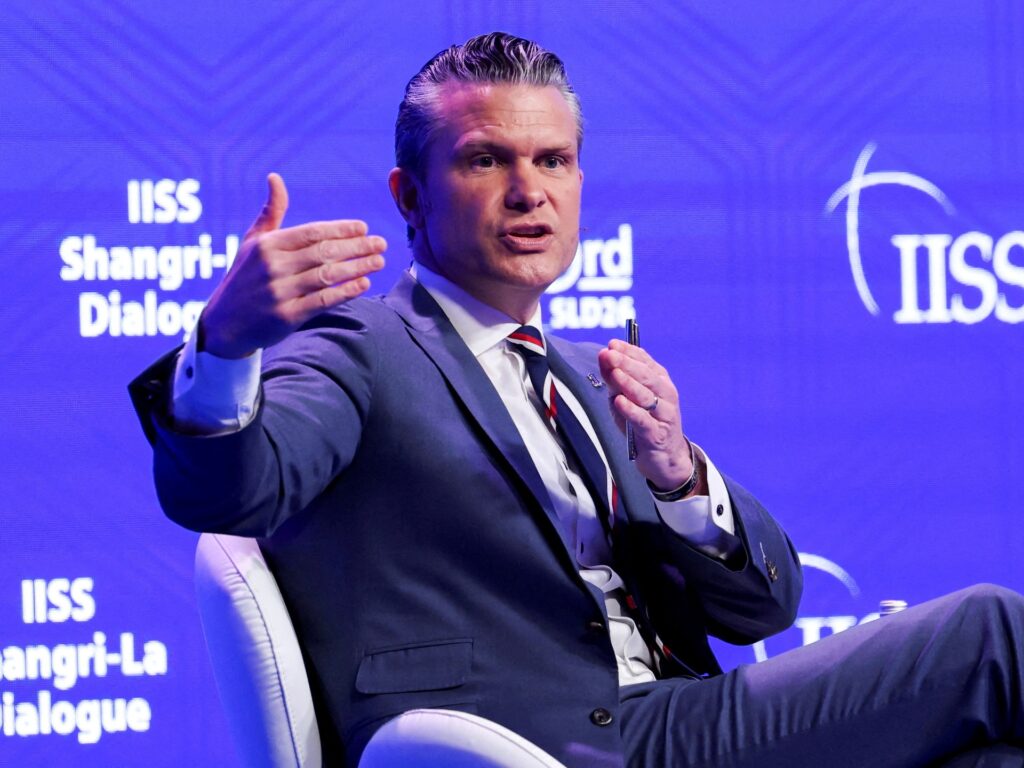
During a recent visit to Guantanamo Bay, Cuba, US military chief Hegseth issued a stern warning to Cuba against the acquisition of military arms. This visit occurred amidst escalating tensions, as the Trump administration has intensified pressure on Cuba’s government. Hegseth’s statement reflects growing concerns within the US military regarding potential increases in Cuba’s military capabilities. The warning highlights the strategic importance of Guantanamo Bay as a US military base and a focal point for monitoring activities in the Caribbean region. The US administration’s policy aims to curb Cuba’s influence and limit its military development, as part of a broader strategy to ensure regional security and stability. By openly cautioning Cuba, the US seeks to deter any moves that could threaten its interests or disrupt the balance of power in the Western Hemisphere. This development adds to the complex geopolitical dynamics between the US and Cuba, historically marked by decades of diplomatic tension and conflicting policies. Hegseth’s visit and public admonition underscore the US commitment to maintaining a strong military posture in the region and to countering any threats that may emerge from Cuba’s military expansion. The announcement is expected to further affect the diplomatic relations between the two nations, already strained under the current administration’s hardline approach. Observers note that the increased pressure on Cuba coincides with broader US efforts to reevaluate its foreign policy in Latin America, emphasizing security concerns and countering perceived adversaries. The move also signals to other countries in the region the US’s vigilance and readiness to respond to shifts in military alignments. Analysts suggest that the US military chief’s warning may influence negotiations and interactions between the US and Cuba in the coming months, potentially prompting responses from Cuba’s leadership. The visit to Guantanamo Bay serves as a strategic message to both domestic and international audiences that the US remains deeply involved in Caribbean security affairs. This event is part of a series of actions taken by the Trump administration to reverse the previous US engagement policy with Cuba, reinstating tougher measures and restrictions. The heightened rhetoric around military armament in Cuba aligns with concerns about broader regional security threats, including narcotics trafficking, terrorism, and influence from allies of Cuba on the international stage. The US military chief’s statement is a reminder of the long-standing defensive posture of the US regarding Cuba’s military capabilities and intentions. As tensions rise, both countries face the challenge of navigating a path that balances national security concerns with diplomatic engagement. The strategic significance of Guantanamo Bay continues to be emphasized as a pivotal location for US military operations, surveillance, and as a platform for exerting US influence in the Caribbean. This recent warning may also influence Congressional perspectives on defense spending and military readiness concerning Latin America. The situation remains fluid, with potential implications for regional alliances and future diplomatic dialogues. The US continues to monitor Cuba’s military developments closely, signaling that any substantial armament acquisition will be met with serious consequences. Ultimately, Hegseth’s visit and warnings highlight the enduring complexities in US-Cuba relations and the ongoing contest for influence in the region, reflecting broader geopolitical shifts under the Trump administration.