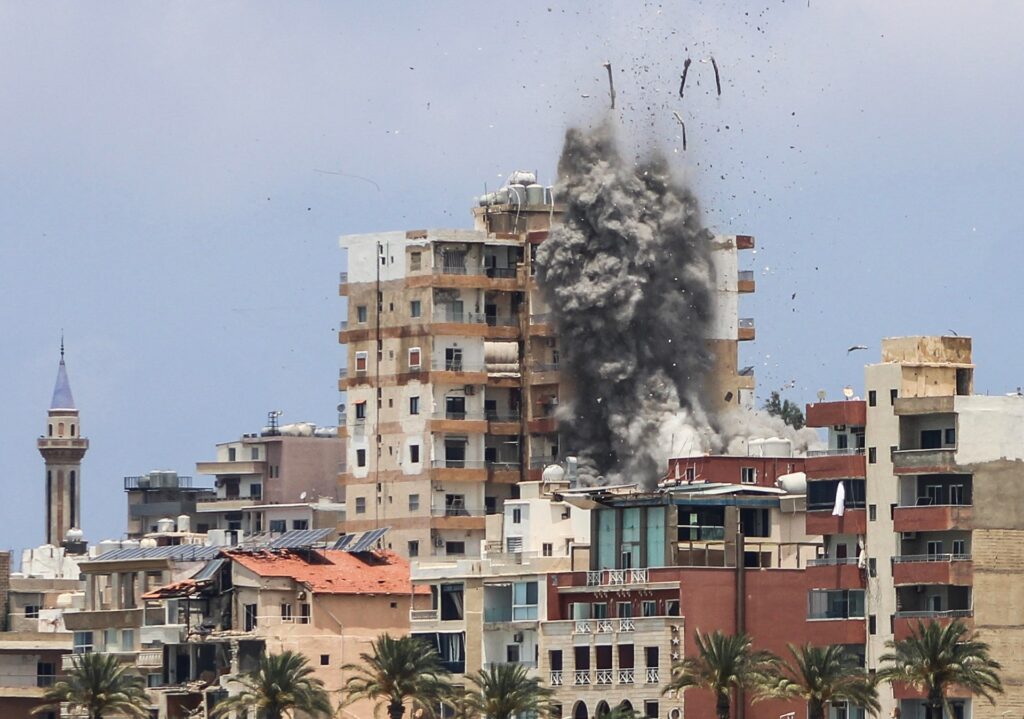
US President Donald Trump has declared that the Middle East peace deal is in its ‘final throes,’ signaling a potential breakthrough in negotiations. However, this hopeful announcement comes amid renewed violence in Lebanon, where at least eight people have been killed, highlighting the fragile security situation in the region.
Trump’s comments underline the complexity of peace efforts in the Middle East, a region long plagued by conflict and political instability. The President’s optimistic stance suggests that key parties may be nearing an agreement, although details remain sparse and the situation on the ground continues to evolve.
Concurrently, tensions between Israel and Iran, two major regional powers, had been on a precarious pause. Both countries suspended hostilities, raising hopes for a reduction in conflict that could pave the way for broader peace initiatives.
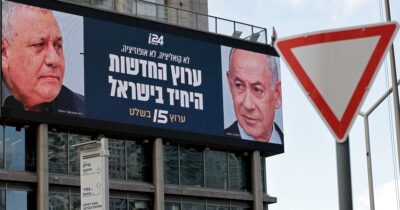
Despite this temporary lull, Trump issued a stern warning to Israeli Prime Minister Benjamin Netanyahu, cautioning that Israel would be ‘on its own’ if attacks by Iranian-backed groups persist. This statement reflects the delicate balance the US seeks to maintain as it supports Israel’s security while urging restraint to avoid further escalation.
The violence in Lebanon, with at least eight casualties reported, underscores the ongoing challenges faced by nations in the area. Lebanese factions continue to grapple with internal disputes and external pressures, contributing to a volatile environment that complicates peace efforts.
International observers are closely monitoring the situation, noting that successful peace negotiations could have far-reaching implications for regional stability and global security.
The US administration’s involvement demonstrates its commitment to a diplomatic solution, yet the recent flare-ups of violence remind all parties that peace remains elusive.
Analysts suggest that for the peace deal to hold, there must be a comprehensive approach addressing the root causes of conflict, including political grievances, security concerns, and economic conditions.
As Trump asserts the deal is nearing completion, the international community hopes that this will signal the start of a new chapter of cooperation and coexistence in the Middle East. However, ongoing protests, violent incidents, and political rivalries serve as stark reminders of the obstacles ahead.
Netanyahu’s response to Trump’s warning will be crucial in determining the trajectory of Israel’s security policies and its relations with neighboring countries, especially Iran.
The peace process also involves a variety of stakeholders, including Palestinian authorities, regional Arab states, and global powers, reflecting the complexity and interconnected nature of Middle East diplomacy.
The coming days and weeks will be critical in assessing whether these peace efforts can withstand the pressures of regional conflicts and internal dissent.
Ultimately, the hope remains that diplomatic engagements and mutual compromises will lead to a lasting resolution that benefits all parties involved and fosters regional peace and prosperity.