The region of Pakistan-administered Kashmir has recently witnessed deadly protests that have drawn international attention and concern. These unsettled events are not isolated but part of a broader, longstanding debate about governance, political representation, and autonomy in the region.
The protests erupted amid mounting frustrations among the local populace, who have expressed grievances over political disenfranchisement, security concerns, and economic hardships. Analysts suggest that the root of the unrest lies in deep-seated issues concerning the governance structures imposed on the territory, which many local groups perceive as inadequate or unrepresentative.
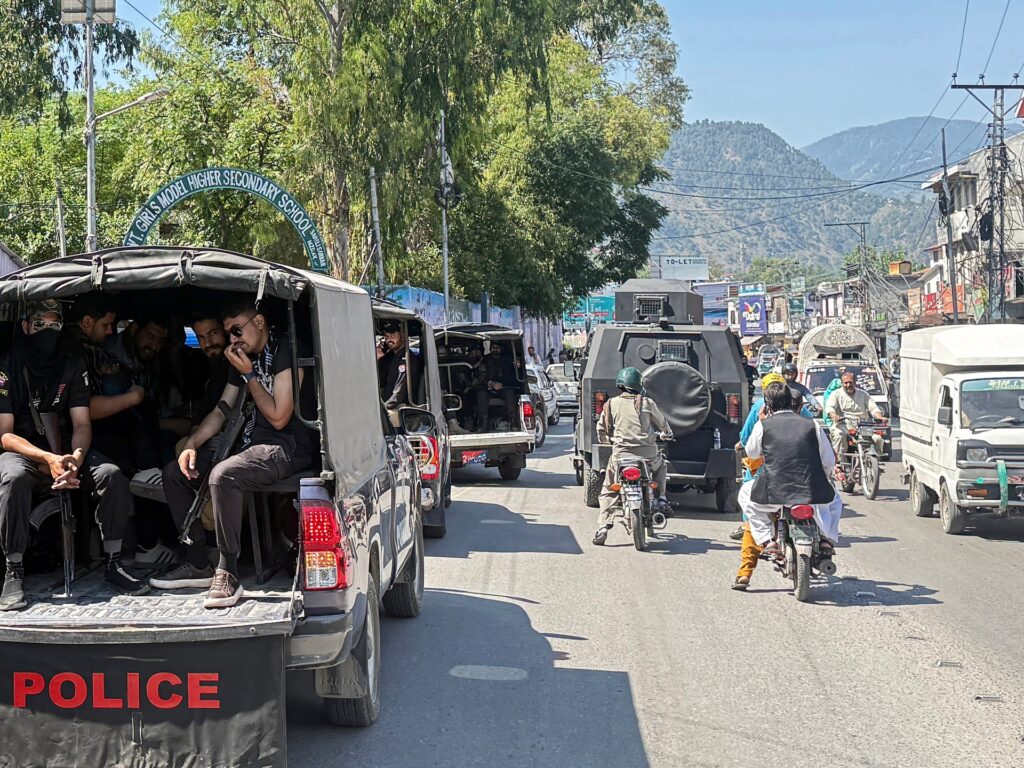
Historically, Pakistan-administered Kashmir has been a flashpoint due to its contested status between India and Pakistan. This geopolitical tension is compounded by internal governance challenges, including limited political freedoms and the heavy presence of security forces. These factors contribute to an environment ripe for conflict and public dissent.
Experts highlight that the recent protests are symptomatic of a larger crisis, reflecting the ongoing struggle of the Kashmiri people for self-determination and effective governance. The local government, backed by Islamabad, faces criticism for not addressing socio-economic issues that fuel discontent.
The demonstrations have, unfortunately, led to casualties, further escalating tensions and drawing condemnation from human rights organizations. These groups call for restraint and a political dialogue aimed at resolving the underlying issues without further violence.
International actors have expressed concern over the situation, urging all sides to seek peaceful solutions. The crisis underscores the need for a reassessment of governance policies in Pakistan-administered Kashmir to better accommodate the aspirations and rights of its people.
For many in Kashmir, these protests are a manifestation of years of unresolved political grievances. The ongoing unrest serves as a stark reminder that sustainable peace and stability will require inclusive governance, respect for human rights, and open channels for political engagement.
In conclusion, the deadly protests in Pakistan-administered Kashmir are not merely spontaneous disturbances but represent a critical juncture in the region’s fraught political landscape. Addressing this crisis necessitates a comprehensive approach that prioritizes dialogue, inclusiveness, and long-term solutions to governance challenges.