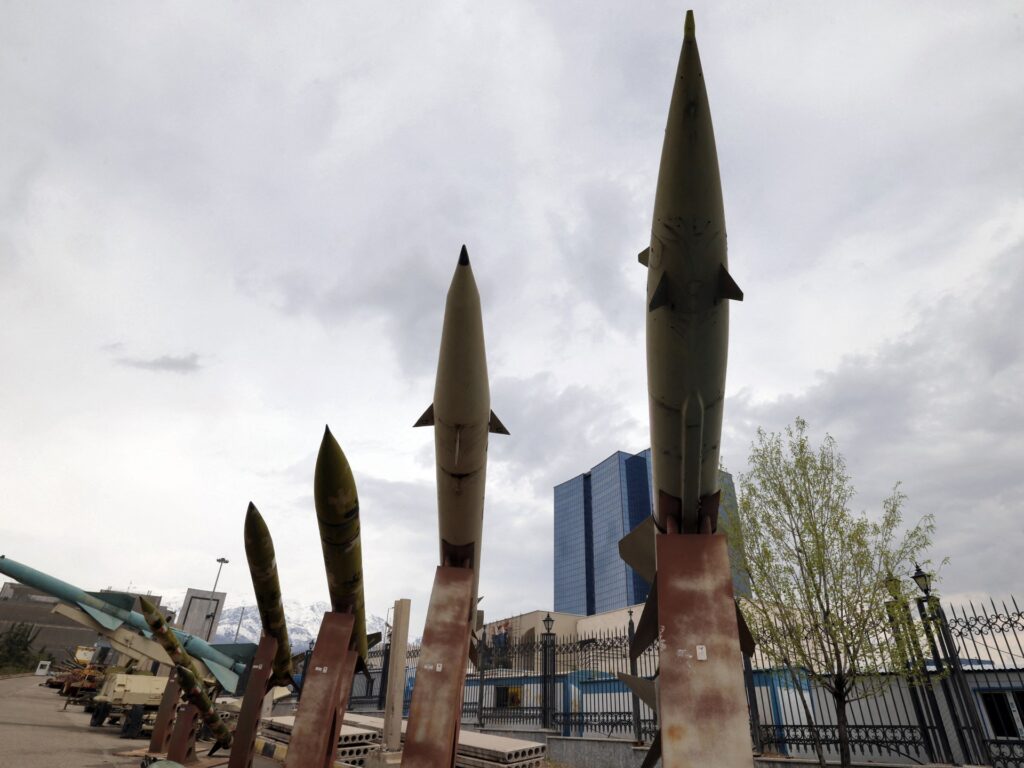
Tehran escalates conflict by targeting US military forces stationed in Bahrain and Jordan, marking a significant intensification in regional tensions following recent strikes in southern areas.
This heightened activity comes amid ongoing hostilities, reflecting broader geopolitical strains in the Middle East. Iran’s latest attacks have raised alarms about possible further escalation involving multiple nations.
Meanwhile, Lebanon continues to endure severe consequences from the conflict. The Lebanese Health Ministry reported that the death toll from Israeli attacks on Lebanon since March 2 has tragically reached 3,666.
This figure underscores the devastating human cost of the ongoing conflict, with widespread destruction and loss of life affecting communities throughout Lebanon.
The targeting of US forces by Tehran in Bahrain and Jordan is seen as a strategic move to exert pressure and signal Iran’s determination amid the turmoil. Bahrain and Jordan host significant American military installations, making them critical points in the US’s regional military presence.
The attacks raise concerns about the potential for broader international involvement and the risks of the conflict spiraling into a larger regional war.
Global powers have been closely monitoring the situation, urging restraint and emphasizing the importance of dialogue to de-escalate tensions and prevent further loss of life.
The fragile security environment in the Middle East remains volatile, with complex alliances and rivalries contributing to the uncertainty.
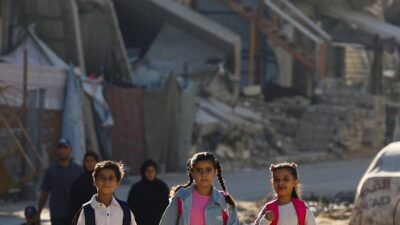
Humanitarian organizations have expressed deep concern over the rising civilian casualties, particularly in Lebanon, where infrastructure and medical facilities are strained under the pressure of continuous assaults.
Efforts to broker ceasefires and peace talks face challenges amid the entrenched positions and ongoing violence.
As Iran intensifies its operations against US forces in key Middle Eastern countries and the death toll in Lebanon climbs, the international community faces increased urgency to seek diplomatic solutions.
The evolving conflict highlights the interconnected nature of Middle Eastern geopolitics, where actions in one country reverberate broadly, affecting security and stability across the region.
The situation demands close attention and coordinated international efforts to mitigate further escalation and address the humanitarian crisis unfolding in Lebanon and beyond.
In summary, the recent attacks by Tehran on US forces in Bahrain and Jordan, combined with the heavy toll of Israeli strikes in Lebanon, underscore a critical juncture in Middle Eastern conflicts.
The path forward requires a delicate balance of diplomatic engagement, conflict resolution initiatives, and humanitarian assistance to prevent further deterioration of regional peace and security.