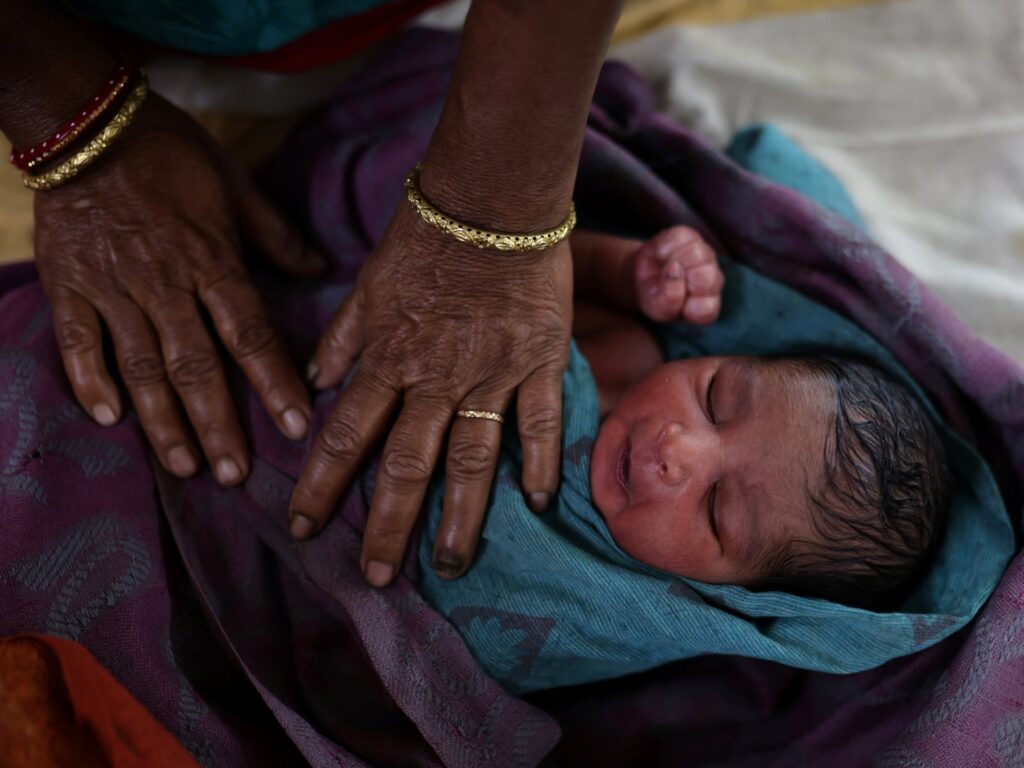
India, the world’s second-most populous country, has witnessed a significant demographic milestone as its fertility rate falls below the replacement level for the first time. The fertility rate has dropped to 1.9 children per woman, dipping under the critical replacement level of 2.1. This change carries profound implications for the nation’s workforce, elderly population, and overall economic growth.
The replacement level fertility rate of 2.1 children per woman is the average number required for a population to replace itself without migration. With India’s fertility rate now at 1.9, below this threshold, the country is entering a new phase where natural population growth will begin to slow and eventually decline if the trend continues.
One of the primary reasons for this decline is increased access to education and healthcare, particularly for women. Greater awareness and availability of family planning, urbanization, rising living costs, and shifting societal values towards smaller families have also contributed to the declining birth rate.
While a falling fertility rate is often viewed as a success story of development, it also introduces new challenges. In the short term, India’s large youth population continues to be an economic advantage, providing a demographic dividend with a workforce that drives consumption and innovation.
However, in the long term, a sustained fertility rate below replacement level will lead to an ageing population. With fewer young people entering the labor market, the ratio of working-age individuals to retirees will decline, leading to increased pressure on social security systems and healthcare infrastructure. This demographic shift could slow economic growth and increase the burden on public resources.
Moreover, the shrinking workforce poses a challenge to industries that rely on young labor and innovation, potentially slowing down technological advances and economic competitiveness. Additionally, fewer children per family might affect societal structures and caregiving patterns, influencing how the elderly are supported.
India’s policymakers are now tasked with preparing for these demographic changes. Strategies may include incentivizing higher fertility rates through parental benefits and support, enhancing labor force participation, particularly among women and older adults, and reforming pension and healthcare systems to accommodate an ageing population.
Furthermore, managing migration effectively will become crucial, as migration can offset population decline. Urban planning and infrastructure development will also need to adapt to the changing demographic landscape.
In conclusion, India’s fertility rate falling below replacement level marks a pivotal transition with multifaceted impacts. While it reflects progress in human development and family planning, it also necessitates thoughtful policy planning and social adjustments to maintain economic vitality and ensure the welfare of all age groups in the decades to come.