The Democratic Republic of the Congo (DR Congo) is currently confronting its 17th outbreak of the Ebola virus since the disease was first identified in 1976. The latest figures reveal a grim toll, with the number of deaths from Ebola climbing to 101.
This recent Ebola outbreak poses significant challenges to the health infrastructure in DR Congo, a country already burdened with multiple health crises. Ebola, known for its severe hemorrhagic fever symptoms and high fatality rate, continues to be a major public health threat in the region.
Health authorities and international organizations are working tirelessly to contain the spread of the virus. Efforts include mobilizing healthcare workers, implementing vaccination campaigns, and educating communities about preventive measures to reduce transmission.
The virus is primarily transmitted through direct contact with the bodily fluids of infected individuals or contaminated objects. This characteristic, combined with the often remote and densely populated areas affected, complicates containment efforts.
In response to the rising death toll, the World Health Organization (WHO) and other partners are intensifying support to DR Congo’s health ministry. Medical supplies, personal protective equipment, and specialized teams are being deployed to the hardest-hit areas.
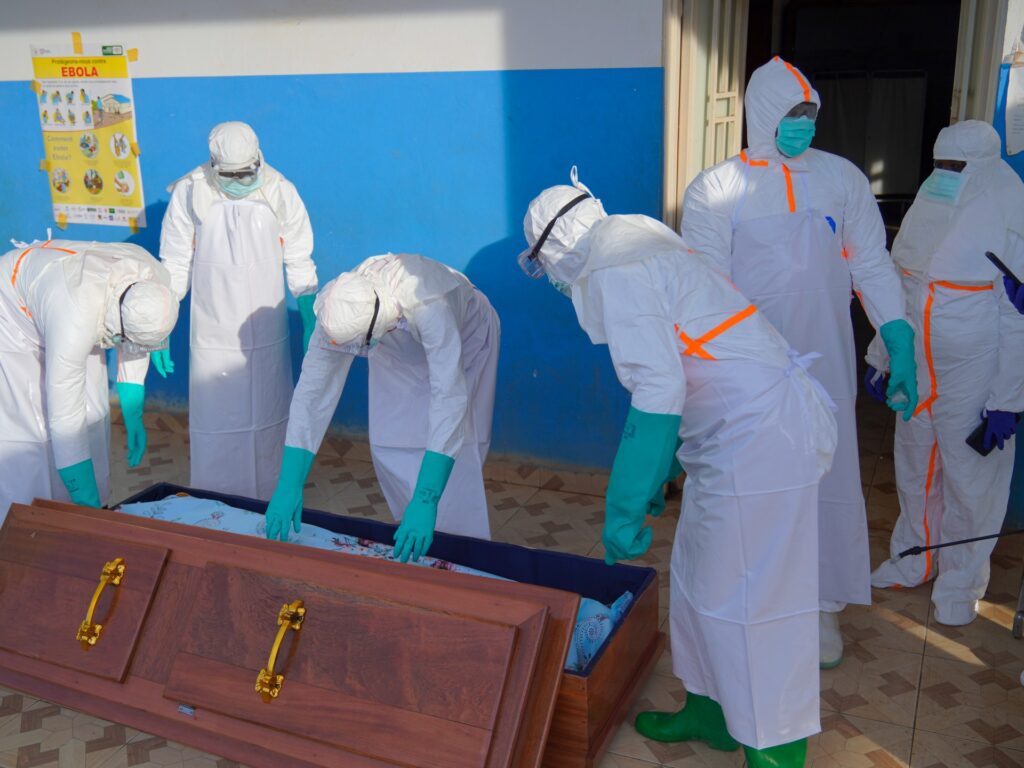
Community engagement remains a critical component of the response, as local populations must be involved in practices that limit the virus’s spread, including safe burial practices and early reporting of symptoms.
The outbreak underscores the urgent need for stronger health systems and sustained investment in epidemic preparedness in the region. It also highlights the resilience and bravery of healthcare professionals working on the frontlines.
The international community continues monitoring the situation closely, providing resources and expertise to support containment and ultimately save lives.
This 17th Ebola outbreak in DR Congo is a sobering reminder of the persistent threat posed by emerging infectious diseases and the global need for vigilance and cooperation in public health efforts.