7084WD-IRAN-CRISIS_ISRAEL_LEBANON_UN_O_
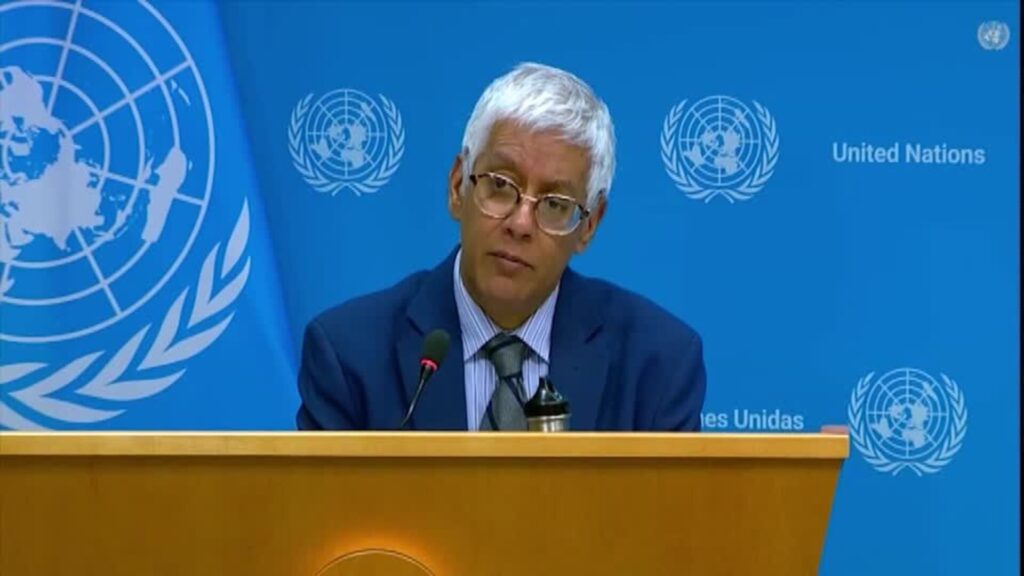
The United Nations has raised serious concerns regarding the legality and practicality of the forced evacuation orders issued by Israeli authorities in southern and eastern Lebanon. A UN spokesman emphasized that these orders present nearly insurmountable challenges for the affected populations to comply with, given the complex realities on the ground.
As tensions escalate in the region, the Israeli government has mandated mass evacuations in certain Lebanese territories, citing security reasons amid ongoing conflicts. However, the UN representative highlighted the difficulties residents face in complying with such directives, pointing out issues like limited safe passage, lack of adequate shelter, and the disruption of essential services.
The forced evacuation orders have sparked a major humanitarian alarm, with many civilians caught in a precarious position, forced to abandon their homes and livelihoods with little to no support. The UN’s stance draws attention to international humanitarian law, which prohibits forced displacement unless strictly necessary for the safety and security of civilians.
Furthermore, the UN spokesman raised questions about the proportionality and necessity of these evacuation measures, emphasizing that any displacement should be temporary, well-coordinated, and safeguarded by international monitoring to avoid abuses and unnecessary suffering.
Human rights organizations have echoed the UN’s concerns, calling for immediate access to the affected areas to provide aid and ensure that evacuations, if deemed essential, are conducted humanely and with full respect to human rights standards.
The situation underscores the fragility of peace in the region and the urgent need for diplomatic engagement to resolve underlying conflicts. The UN’s intervention signifies an effort to uphold international law and protect civilian populations from the adverse consequences of military operations.
Lebanon’s government and various local agencies have also expressed their worries about the evacuations, noting the logistical challenges and the potential for increased instability and humanitarian crises.
Global actors continue to monitor the unfolding events closely, with calls for restraint and increased dialogue to prevent further escalation and ensure the safety and dignity of all civilians caught in the conflict.
In summary, the UN’s objection to the forced evacuation orders reflects broader concerns about the humanitarian impact of military strategies and the necessity to balance security needs with the protection of human rights and international legal obligations in conflict zones.