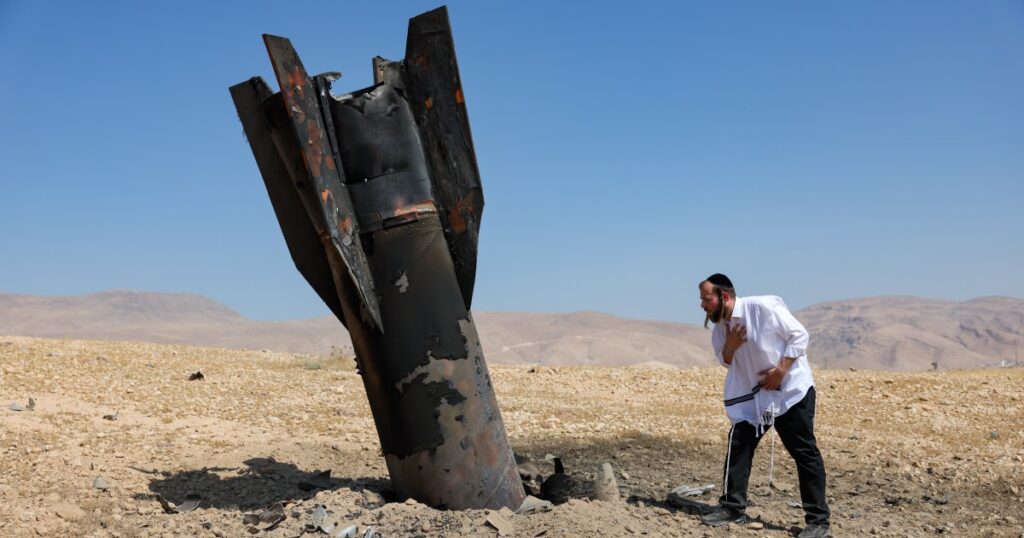
Lebanon has emerged as a critical flashpoint in the ongoing conflict involving Iran, marking a significant shift in the dynamics of the war ceasefire. Previously, Iran projected its influence and power primarily through proxy groups across the Middle East, notably Hezbollah in Lebanon. However, recent developments indicate that Iran has transitioned from relying solely on these proxies to directly employing its own military firepower to protect its strategic interests and allies.
This strategic pivot is evident in Lebanon, where Iran’s involvement has become increasingly pronounced and direct. Analysts suggest that this change reflects Tehran’s response to a complex and volatile regional environment where proxy warfare alone is no longer deemed sufficient to safeguard its objectives.
Lebanon’s geopolitical significance is multifaceted. It lies at the crossroads of several regional rivalries and conflicts, making it a sensitive arena for power projection. Hezbollah, backed by Iran, has long been a dominant force in Lebanon’s political and military landscape, effectively serving as a critical proxy in Iran’s broader Middle Eastern strategy. The group’s enhanced military capability, increasingly supported by Iranian technology and personnel, underscores Tehran’s commitment to securing its interests.
The shift to using direct military firepower also signals Iran’s willingness to escalate conflicts to a new level, potentially destabilizing already fragile ceasefire agreements. This escalation risks triggering broader confrontations, with Lebanon potentially becoming the epicenter of renewed violence.
For years, the proxy model allowed Iran a degree of plausible deniability while influencing regional affairs. However, recent conflicts have exposed the limitations of this approach. Proxy forces alone have struggled to maintain control and deter adversaries effectively, compelling Iran to recalibrate its tactics.
International observers warn that this transformation could undermine long-standing regional stability. The use of direct force by Iran in Lebanon could provoke counteractions from rival states and external powers, intensifying tensions in the Middle East.
Lebanon’s role as the breaking point in this evolving conflict scenario highlights the complex interplay between local and regional actors. It serves as a stark reminder of how proxy wars can escalate when principal states opt to intervene more directly.
In conclusion, Lebanon has become the focal point where Iran’s war ceasefire strategy faces critical tests. The shift from proxy-driven influence to direct military engagement exacerbates the risks of renewed conflict, underscoring the urgent need for diplomatic efforts to prevent further escalation. Understanding this evolution is vital for policymakers and stakeholders aiming to navigate and mitigate the volatile geopolitical landscape of the Middle East.