In a significant escalation of regional tensions, NATO jets intercepted and shot down a drone over Latvian airspace, raising concerns over the widening spillover of the Ukraine conflict. The Latvian military reported that the drone had entered their airspace as a result of what they described as ‘Russian electronic warfare’. This incident marks a troubling expansion of the conflict beyond Ukraine’s borders, generating apprehension among NATO members and the international community about potential further incursions.
The drone’s incursion into Latvia – a NATO member country located in the Baltic region – triggered rapid military response to neutralize the threat. Latvian defense officials emphasized that the drone’s trajectory was manipulated using sophisticated electronic warfare tactics attributed to Russia, a key actor in the ongoing conflict in Ukraine.
Electronic warfare involves the use of electromagnetic spectrum to disrupt or deceive enemy equipment, and its application in this incident highlights the advanced capabilities being deployed in the conflict. The drone had the potential to gather intelligence or conduct surveillance, which made its presence in Latvian territory particularly sensitive.
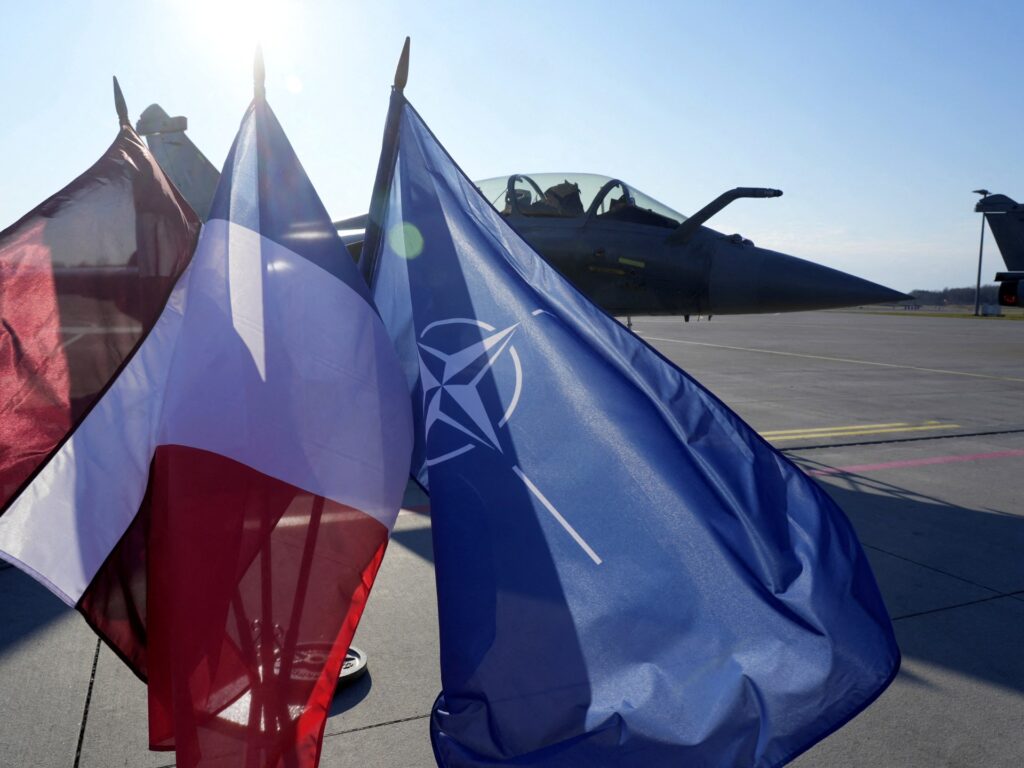
NATO’s prompt action in detecting and neutralizing the drone demonstrates the alliance’s commitment to safeguarding its members’ airspace integrity and preventing any destabilizing activities linked to the ongoing Ukraine war. This step also sends a clear message regarding NATO’s readiness to defend its frontiers against any encroachments.
Latvia has been a vocal supporter of Ukraine since the conflict began, providing political backing and humanitarian assistance. However, this incident underlines the risk that neighboring countries face as the conflict risks spilling over their borders, potentially escalating the crisis into a broader regional confrontation.
Analysts warn that such incidents could intensify fears of direct confrontations between NATO and Russian forces if provocative actions continue near alliance territories. Consequently, the episode has sparked calls for enhanced vigilance and stronger defense postures among Baltic states and other NATO members.
The Latvian government has lodged formal protests with Russia, demanding explanations and cautioning against future violations of its airspace. Meanwhile, NATO’s leadership reiterated their support for Latvia and pledged continued surveillance and defense cooperation.
Experts suggest this drone shootdown incident is emblematic of the increasingly complex and multi-dimensional nature of modern warfare, where electronic warfare, unmanned systems, and hybrid tactics intersect. The evolving conflict requires NATO and its partners to adapt their strategic and tactical approaches to counter emerging threats effectively.
International observers have urged restraint and de-escalation to prevent further destabilization in the Baltic region and to safeguard peace in Europe. The incident has drawn attention to the fragile security environment in Eastern Europe, where tensions remain high and the potential for accidental clashes persist.
As diplomatic efforts to resolve the Ukraine conflict continue, episodes like the Latvian shootdown underscore the urgency of achieving a peaceful solution that prevents further spillover and escalation. The situation remains fluid, and NATO and Baltic states are monitoring developments closely to respond promptly to any future security challenges.