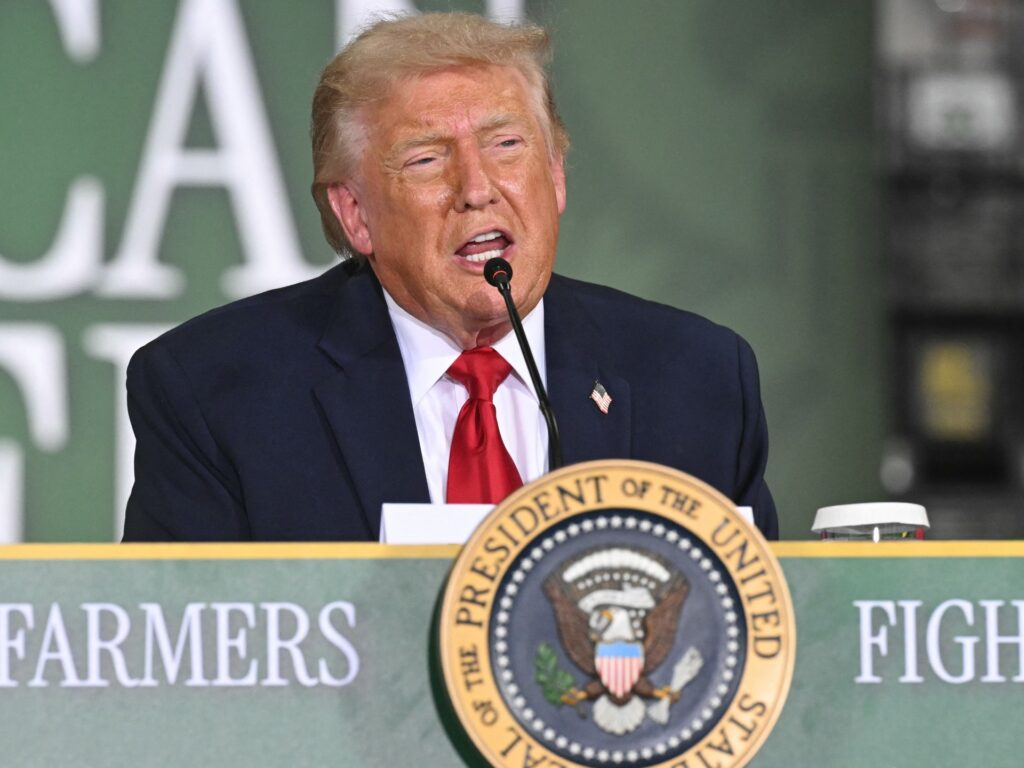
In recent statements, former U.S. President Donald Trump has made it clear that he will not authorize the unfreezing of Iranian assets until a formal ceasefire deal is reached. This stance comes amid ongoing tensions surrounding the conflict involving Iran, where war has taken a heavy toll on regional stability and international relations.
Iranian officials have suggested that releasing frozen funds could serve as a confidence-building measure, fostering ‘trust’ necessary to negotiate a lasting agreement to end the hostilities. However, the current U.S. position underscores a more cautious approach, emphasizing that financial assets will remain frozen until verifiable peace terms are established.
Throughout the conflict, the issue of frozen Iranian assets—funds seized or restricted by international sanctions—has been a critical point in diplomatic engagements. Iran views the release of these assets as essential for economic relief and rebuilding efforts, while the U.S. and its allies perceive unrestricted access to these resources as potentially enabling further conflict if peace is not secured.
The dynamic between these two positions highlights the complexity of negotiation efforts. On one side, Iranian leaders argue that unfreezing the assets would build goodwill and create a climate conducive to dialogue. On the other, U.S. officials remain firm in their insistence on concrete security guarantees and steps toward a ceasefire before any financial concessions are made.
Experts on Middle Eastern affairs note that trust-building actions like releasing frozen funds have historically played a significant role in peace processes worldwide. However, they caution that premature release without enforceable agreements can undermine leverage and prolong conflict.
The current deadlock reflects broader challenges facing international diplomacy in the region, where conflicting interests and mutual suspicions hinder swift resolutions. Key stakeholders in the international community continue to call for increased dialogue and commitment from all parties to de-escalate tensions.
While Trump’s administration’s firm stance signals an unwillingness to compromise prematurely, it also places pressure on Iranian authorities to demonstrate commitment to peace initiatives. The demand for tangible steps toward a ceasefire underscores a strategic approach to ensuring that any financial relief directly contributes to ending the conflict, rather than exacerbating it.
As negotiations proceed, the fate of Iranian assets remains a pivotal issue, interwoven with the broader goals of regional stability, economic recovery, and lasting peace. Observers expect continued diplomatic efforts in the coming weeks, with the hope that mutual concessions will eventually pave the way for a durable ceasefire and normalization of bilateral relations.
In summary, the ongoing tension over the freezing and potential release of Iranian funds encapsulates the delicate balance between economic incentives and security guarantees. Both U.S. and Iranian officials recognize the potential benefits of building trust, but current policies reflect the high stakes involved in ensuring that trust leads to a genuine and enforceable peace deal.