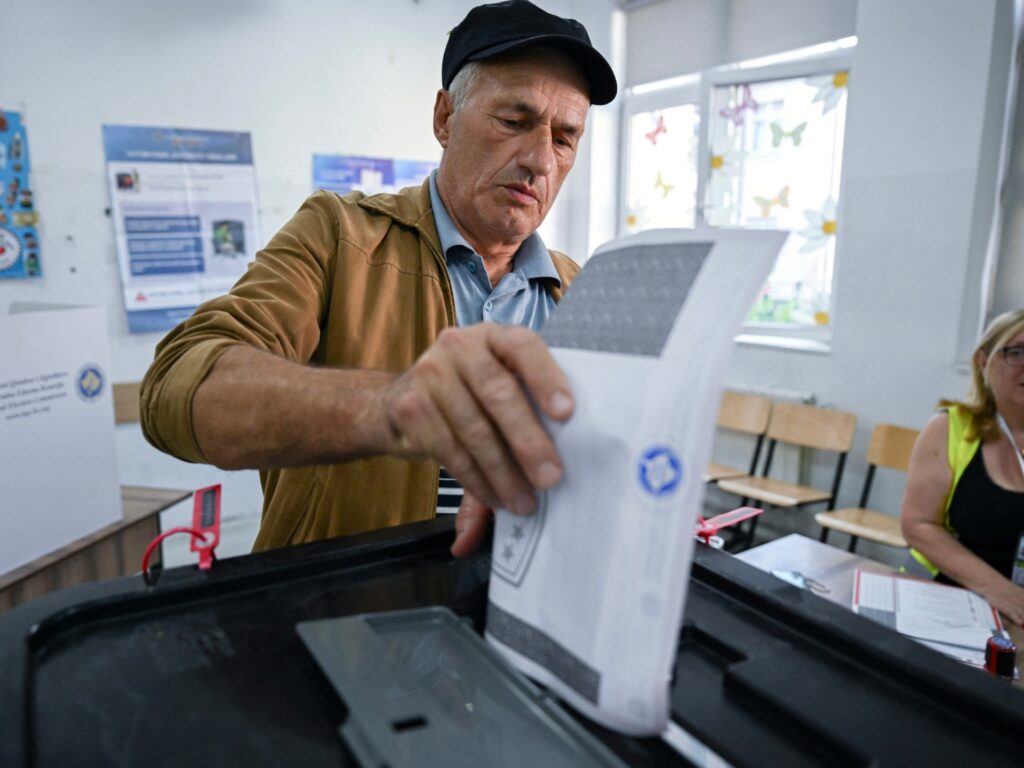
Kosovo, a young Balkan republic, has returned to the polls as it faces a political deadlock that stalls its aspirations to join the European Union and NATO, amid ongoing economic challenges and internal discord. The vote marks a critical moment for the country, which declared independence in 2008, seeking broader international integration and development.
The political deadlock has primarily resulted from coalition government instability and disagreements among ruling parties, impeding legislative progress and reform implementations. This stagnation affects Kosovo’s eligibility for EU accession negotiations, which require a stable and functional government along with adherence to democratic standards and economic reforms.
Economic struggles compound the political issues, with high unemployment rates and reliance on remittances creating financial uncertainty for a large percentage of the population. The electorate is concerned not only with political leadership but also with the slow pace of economic growth and job creation.
The recent elections serve as a crucial test of public confidence in Kosovo’s leadership amid calls for greater transparency, anti-corruption measures, and effective governance. Voters hope that the new leadership can overcome the impasse and accelerate efforts towards EU and NATO membership, seen as key factors for long-term stability and prosperity.
International observers stress that Kosovo’s progress hinges on resolving political disagreements swiftly and fostering an inclusive political environment. The European Union has underscored the importance of reforms and dialogue, while NATO continues to support stability in the region through its peacekeeping presence.
Experts suggest that achieving meaningful progress will require compromises across political lines and dedication to reforms that address both political and socioeconomic challenges. The upcoming government must prioritize improving institutional functionality, strengthening the rule of law, and expanding economic opportunities.
The stakes are high as Kosovo navigates its path toward integration, with the electorate playing a decisive role. The vote reflects citizens’ hopes for a government capable of delivering change and securing a prosperous future within the European and transatlantic frameworks.
As Kosovo embarks on this new electoral cycle, the international community watches closely, hopeful that the vote will pave the way for renewed momentum in the nation’s long-standing quest for EU and NATO membership, thereby fostering regional stability and greater international cooperation.