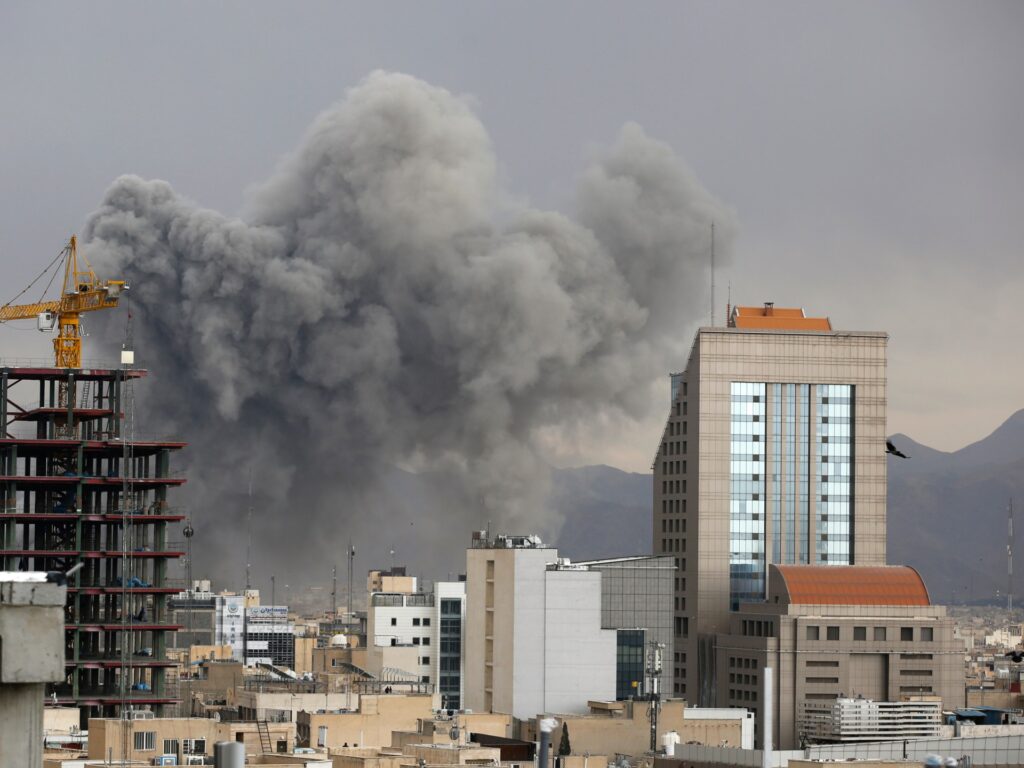
As the US-Israel war on Iran marks its 100th day, countries around the world have reacted with diverse strategies amid growing global concerns. This conflict has sparked a significant energy crisis, prompting urgent responses from global leaders.
In the United States, the government backs its military engagement, emphasizing the necessity to curb Iran’s regional influence and nuclear ambitions. The administration has coordinated with allies to impose stringent economic sanctions on Iran aimed at curtailing its war capabilities.
Israel remains steadfast and vocal in its pursuit to eliminate threats from Iran, particularly focusing on preventing nuclear weapon development. Israeli officials highlight the war as a pre-emptive step to secure national security and maintain regional stability.
European nations, while allied with the US and Israel, have expressed considerable apprehension about the conflict’s escalation. Countries like Germany and France advocate for diplomatic resolutions and have called for emergency meetings at the United Nations to address the energy disruptions and political instability.
Russia has urged all parties to return to negotiations, warning against further escalation. Moscow stresses the importance of preserving energy supplies to Europe and avoiding further economic shocks. Russia’s stance also reflects its complex geopolitical interests in the Middle East.
China calls for peaceful dialogue and condemns unilateral actions that destabilize the region. Beijing emphasizes the potential global economic fallout from the crisis, particularly its impact on oil prices and supply chains.
Middle Eastern countries have shown varied reactions; Gulf states express concerns about regional security and energy markets. Some have urged restraint, while others have cautiously supported interventions to counter Iranian influence.
India has taken a neutral stance, focusing on energy security and seeking to maintain open channels with all parties involved to safeguard its economic interests.
International organizations, including the United Nations and the International Energy Agency, have issued statements urging de-escalation and coordinated efforts to stabilize global energy markets.
Global stock markets and commodity prices have fluctuated, reflecting investor anxieties over the prolonged conflict and its impact on oil supplies. Analysts predict continued volatility until a clear political resolution emerges.
Humanitarian concerns have also risen, with calls for protecting civilians and ensuring uninterrupted delivery of aid amid the hostilities.
In summary, the international community is engaged in a complex balancing act of diplomacy, economic management, and strategic interests as the US-Israel war on Iran continues. The coming weeks will likely be critical in determining the trajectory of the conflict and its global repercussions.