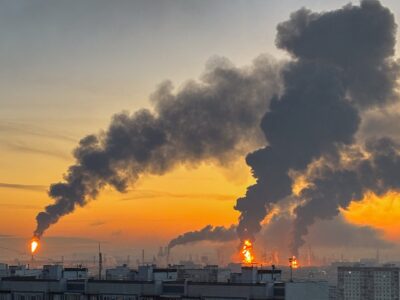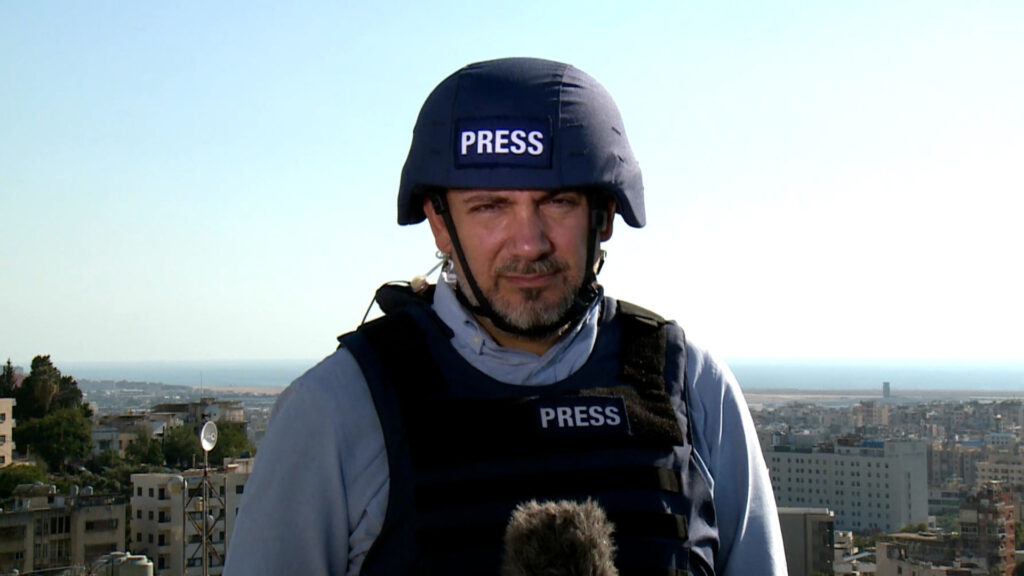
Beirut, Lebanon – Multiple explosions have recently rocked the southern suburbs of Beirut, marking a further escalation in violence as Israel launched new attacks targeting Hezbollah. The reported attacks come amid ongoing tensions between Israel and Hezbollah, the Lebanese Shiite militant group and political party.
According to eyewitnesses and local sources, several blasts were heard and felt across Beirut’s southern neighborhoods, an area known for Hezbollah’s strong presence and influence. The strikes reportedly aimed at military and strategic locations associated with the group, though initial reports of casualties and damage have yet to be fully confirmed.
Israeli officials stated that the operation was focused on mitigating threats posed by Hezbollah, which historically has been involved in conflicts with Israel and accused by Israeli forces of building up arms and launching attacks from Lebanon.
The latest hostilities contribute to the fragile security situation in Lebanon, which has recently witnessed an uptick in violence, exacerbating political and social tensions within the country. The Lebanese government and various international actors have called for restraint to avoid wider regional conflict.
Residents in Beirut’s southern suburbs expressed fear and uncertainty as the explosions disrupted daily life and raised anxieties about potential further attacks. Hospitals in the area have been placed on heightened alert, preparing for possible casualties.
This latest development comes amid regional geopolitical complexities involving multiple nations and non-state actors, where Lebanon’s southern border remains a flashpoint in the broader Israeli-Arab conflict.
International responses have varied, with some countries condemning the attacks and urging dialogue, while others reiterated support for Israel’s right to defend itself against perceived threats.
As the situation remains fluid, continuous updates are expected from both sides. Observers emphasize the need for renewed diplomatic efforts to prevent escalation and promote long-term stability in a region long marred by conflict.