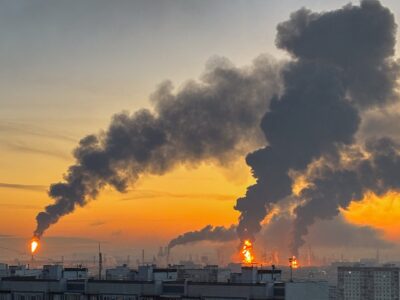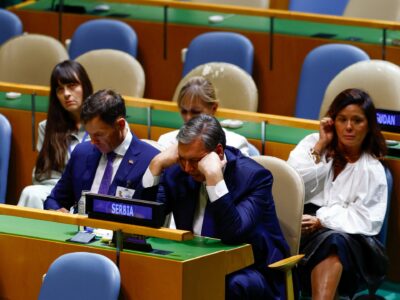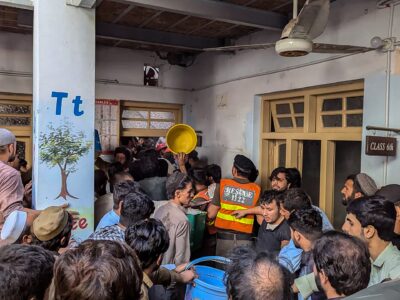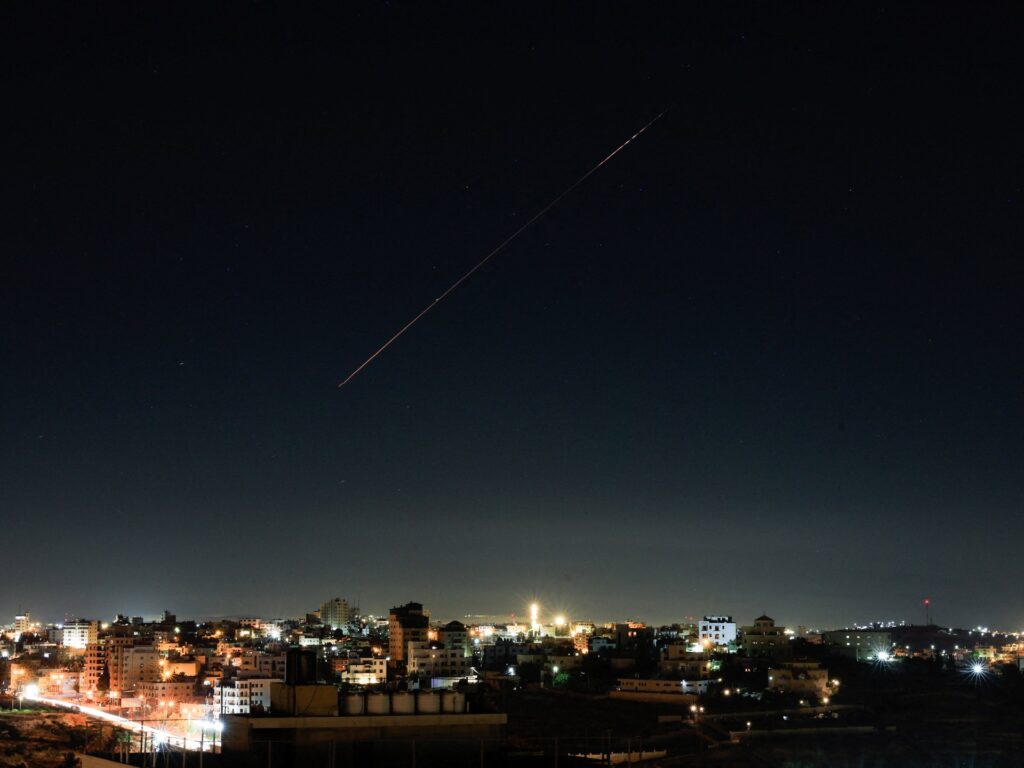
In a significant escalation of regional tensions, Iran’s Islamic Revolutionary Guard Corps (IRGC) has launched a barrage of missiles targeting Israel. This military action comes as a direct response to a recent attack in Beirut, which Iran has described as having “crossed all red lines.” The missile strike marks a notable intensification in hostility amid the ongoing complexities in the Middle East.
The IRGC emphasized that the missile attack serves as a “warning” to Israel as it continues its siege of Lebanon. This reflects a broader pattern of confrontation, where Iran positions itself as a defender of Lebanon against Israeli military actions. The siege of Lebanon has been a focal point of contention, with various regional actors weighing in on the humanitarian and political consequences.
Iran’s decision to fire missiles underscores the heightened volatility in the region and the potential for further military exchanges. Israeli officials have not yet commented in detail on the missile attack or outlined any immediate retaliatory measures. However, the incident is likely to escalate concerns among international observers about the stability and security dynamics in the Middle East.
The Beirut attack that triggered the Iranian missile barrage is part of a wider conflict scenario in which Lebanon, Israel, and their respective allies are embroiled. Iran’s support for Lebanese factions opposed to Israeli policies is well-documented, and this missile firing is an extension of that strategic alignment.
Analysts warn that this latest military engagement could exacerbate the humanitarian crises already affecting Lebanon due to the siege, including shortages of essential supplies and services. The international community remains alarmed over the potential for the conflict to spiral into a broader regional war.
This missile exchange is the latest in a series of confrontations that highlight the fragile state of peace efforts in the Middle East. Diplomatic efforts to de-escalate tensions between Iran, Israel, and Lebanon have so far been insufficient to prevent such escalations.
The international reaction might involve calls for restraint and dialogue, as stakeholders seek to avoid further violence. Meanwhile, the populations in Lebanon and Israel bear the brunt of this renewed hostilities, facing the constant threat of violence and instability.
With Iran’s missile attack framed as a clear message to Israel, the coming days will be critical in determining whether the situation can be contained or if it will lead to broader conflict.
This development is closely monitored by global powers, all of whom have vested interests in Middle East stability. The situation remains fluid and deeply complex, reflecting longstanding disputes and the challenging geopolitics of the region.