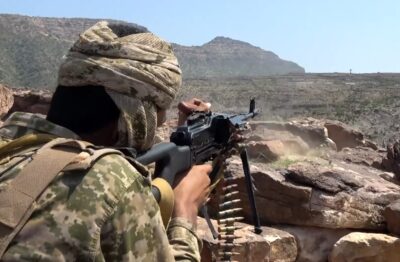
In a decisive military operation, the Nigerian Army has successfully freed 360 individuals who were abducted by the Boko Haram insurgents in Borno State, located in the northeastern region of Nigeria. This rescue marks a significant achievement in the ongoing efforts to combat terrorism and restore peace in the troubled area.
The abducted victims were held captive in the Mandara Mountains, a rugged terrain that has long been exploited by Boko Haram as a hideout and strategic base for conducting insurgency activities. Conditions in captivity were reported to be extremely harsh, with limited access to food, water, and medical care.
Tragically, the Nigerian Army has confirmed that two infants among the abducted died due to the severe and harsh conditions endured during their captivity. This loss underscores the dire humanitarian situation faced by those held by Boko Haram.
The rescue operation involved coordinated ground and air efforts by the Nigerian military, aiming to dismantle Boko Haram’s stronghold in the Mandara Mountain region. Intelligence and surveillance played a crucial role in identifying the location of the abductees and planning the assault.
Military officials have praised the bravery and professionalism of the troops involved in the operation, emphasizing the commitment of the Nigerian security forces to protect civilians and restore stability in Borno State.
Following the rescue, the freed individuals have been provided with immediate medical attention, psychological support, and reintegration assistance. Efforts are underway to reunite them with their families and communities, and to help them recover from the trauma of captivity.
Boko Haram, an extremist group founded in 2002, has been responsible for widespread violence, kidnappings, and disruptions across Nigeria and neighboring countries. The group aims to establish an Islamic state and has carried out numerous attacks on civilians, military personnel, and government institutions.
The liberation of these 360 people represents a morale boost for both the Nigerian Army and the affected communities, signaling progress in the fight against insurgency. It also highlights the ongoing challenges faced by security forces in eradicating Boko Haram and preventing future abductions.
Human rights organizations have welcomed the rescue and called for intensified efforts to protect vulnerable populations from extremist violence. They also stressed the need for continued support for survivors to address the long-term impacts of their ordeal.
Security analysts note that sustaining such rescue operations requires persistent intelligence gathering, regional cooperation, and addressing the socio-economic factors that fuel insurgency, including poverty and lack of education.
The Nigerian government has reiterated its commitment to eradicating Boko Haram and restoring peace to the Northeast, promising increased resources for the military and improved coordination with neighboring countries.
International partners, including the United Nations and various NGOs, have pledged support for humanitarian assistance and development programs aimed at rebuilding affected communities.
While the liberation of these abductees is a positive development, experts caution that ongoing vigilance is necessary to prevent further kidnappings and attacks. The complex nature of the conflict requires a multifaceted approach encompassing security, development, and reconciliation.
In conclusion, the Nigerian Army’s successful operation freeing 360 hostages from Boko Haram captivity in the Mandara Mountains is a significant milestone in the battle against terrorism in Nigeria. It demonstrates the resilience and dedication of Nigerian forces and offers hope for the recovery and future safety of victims and their communities. However, it also underscores the need for continued efforts to address the root causes of insurgency and support survivors in rebuilding their lives.