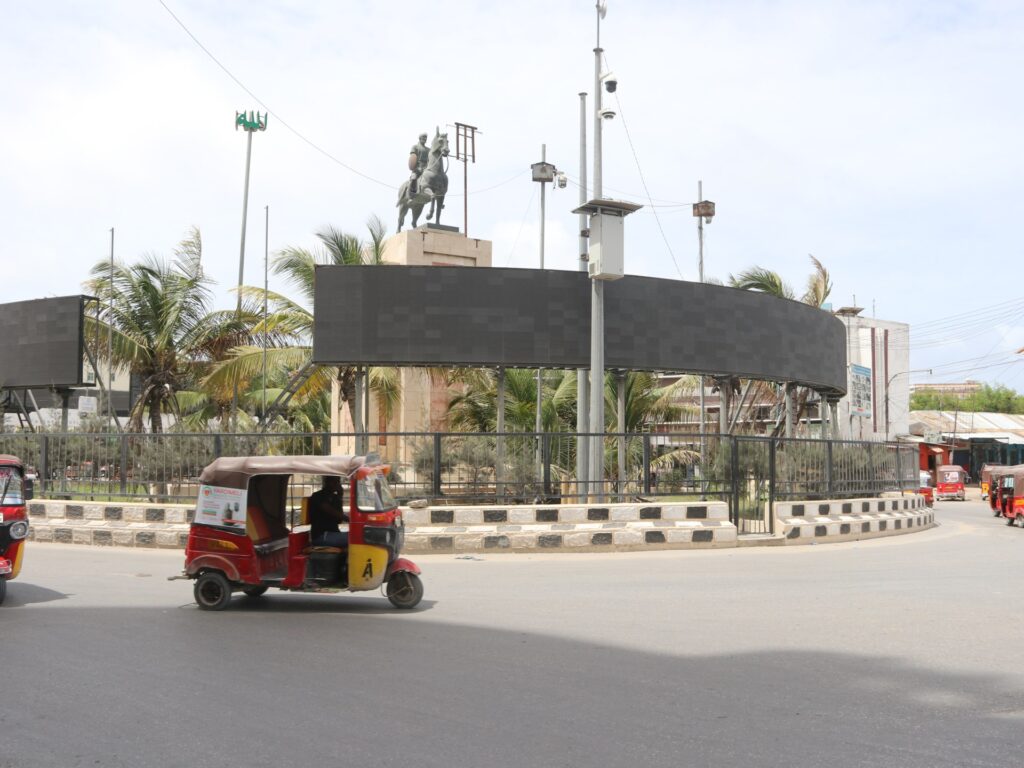
Somalia has declared that order has been restored in its capital, Mogadishu, following two days of intense fighting that severely disrupted life in two districts of the city. The violence, which brought the city to a standstill, has receded, allowing normal activities to resume.
The clashes erupted between government forces and opposition groups, resulting in significant unrest and tension. These confrontations disrupted daily life, causing fear among residents and halting economic activity in the affected districts.
According to official statements, the government has regained control and security forces have been deployed to maintain peace and prevent further outbreaks of violence. Patrols and checkpoints are now a common sight, and efforts are underway to reassure the population and rebuild trust.
Despite the government’s announcement and apparent restoration of calm, opposition leaders have rejected the president’s authority. They have vowed to continue their efforts against his rule, indicating that the political conflict underlying the violence remains unresolved.
The opposition claims that the recent clashes are symptomatic of a broader political crisis, criticizing the government’s approach and calling for dialogue and reforms. Their resistance suggests that tensions may persist, and the potential for future confrontations remains high unless a political solution is found.
International observers and regional organizations have expressed concern about the situation in Mogadishu. They emphasize the importance of peaceful negotiations to avoid further bloodshed and instability in Somalia, a country already grappling with numerous security and humanitarian challenges.
The fighting in Mogadishu has highlighted the fragility of the security environment in Somalia. While the government’s declaration of order is an important step, sustainable peace requires addressing the root causes of opposition dissent and establishing inclusive political processes.
As Mogadishu begins to recover, residents face the difficult task of rebuilding their lives amidst uncertain times. Local communities, along with government authorities and international partners, must work collaboratively to restore stability and foster reconciliation.
The coming days will be critical in determining whether Somalia can move beyond this latest episode of violence towards a more stable and peaceful future. Continued vigilance, dialogue, and inclusive governance will be essential to prevent a recurrence of conflict in Mogadishu and across the country.