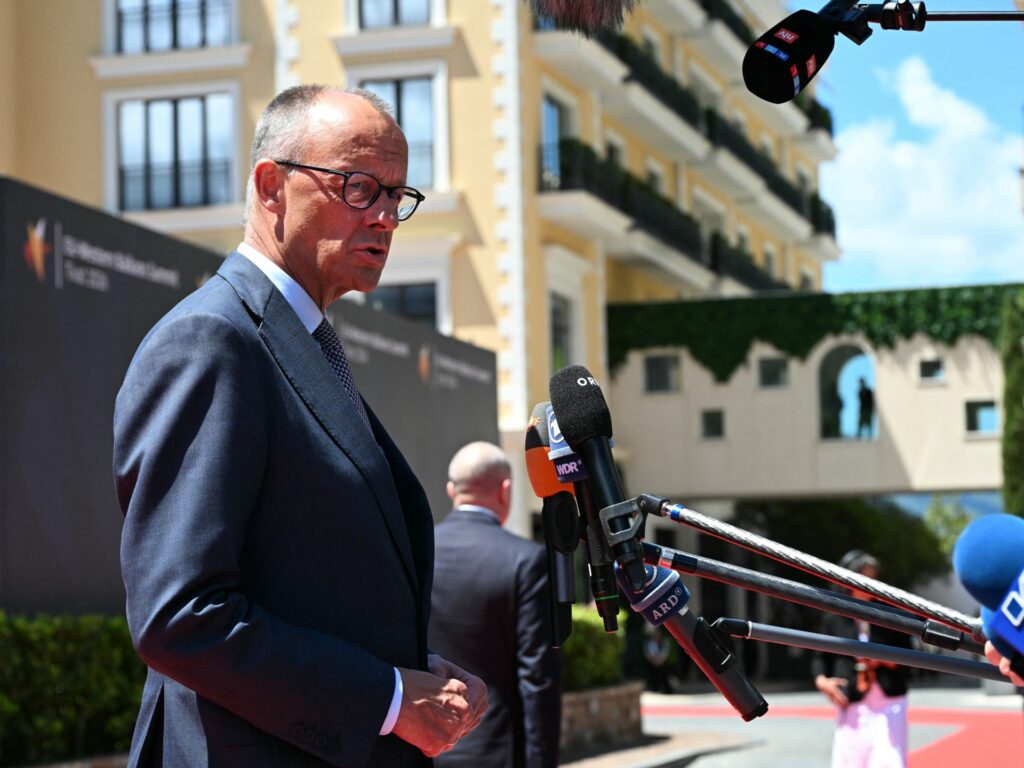
In a significant political development, Germany’s Chancellor Olaf Scholz has publicly stated that the European Union (EU) plans to initiate integration processes for the Western Balkans. This move comes amid heightened efforts to expand the EU’s reach and strengthen geopolitical stability in the region.
The Western Balkans, a region comprising six countries—Albania, Bosnia and Herzegovina, Kosovo, Montenegro, North Macedonia, and Serbia—have long expressed a desire to become members of the European Union. Their integration is seen as crucial for fostering political stability, economic development, and security within the continent.
Alongside these six Balkan nations, Ukraine and Moldova are also seeking EU membership. Their bids have gained urgency following recent geopolitical tensions and conflicts in Eastern Europe, particularly in response to Russia’s actions in the region. The EU’s willingness to consider these countries underscores a broader strategic vision to support democratic values and economic integration in its neighboring territories.
Germany’s Chancellor Olaf Scholz emphasized that the inclusion of the Western Balkans into the EU framework would not only benefit the candidate countries but also enhance the overall cohesion and strength of the union. The move is expected to promote deeper cooperation on issues such as rule of law, human rights, and economic reforms, which are prerequisites for EU accession.
The process of EU integration is comprehensive and involves meeting strict political and economic criteria known as the Copenhagen criteria. This includes stable democratic institutions, respect for human rights, a functioning market economy, and the ability to adopt and implement EU legislation.
Despite the enthusiasm surrounding the potential enlargement, the path toward EU membership for these nations is complex and often fraught with challenges. These range from domestic political instability and corruption to unresolved territorial disputes, particularly in the Western Balkans. However, the EU’s initiative signals a renewed commitment to overcoming these obstacles through dialogue, financial support, and technical assistance.
The integration of Ukraine, Moldova, and the Western Balkans into the European Union would mark one of the most significant expansions in recent history, reaffirming the EU’s role as a beacon of democracy and stability in Europe. It also reflects an adaptive foreign policy in the face of evolving security challenges and shifting global alliances.
Experts believe that this enlargement process will require sustained effort and patience. The EU must balance the geopolitical advantages of expansion with the internal dynamics of member states and the need for institutional reforms within the union.
Overall, Chancellor Scholz’s announcement underscores Germany’s leadership role in shaping the future of the European Union and reaffirming the commitment to a united and stable Europe. The planned integration of the Western Balkans alongside Ukraine and Moldova highlights a crucial step towards a broader and more inclusive European community.