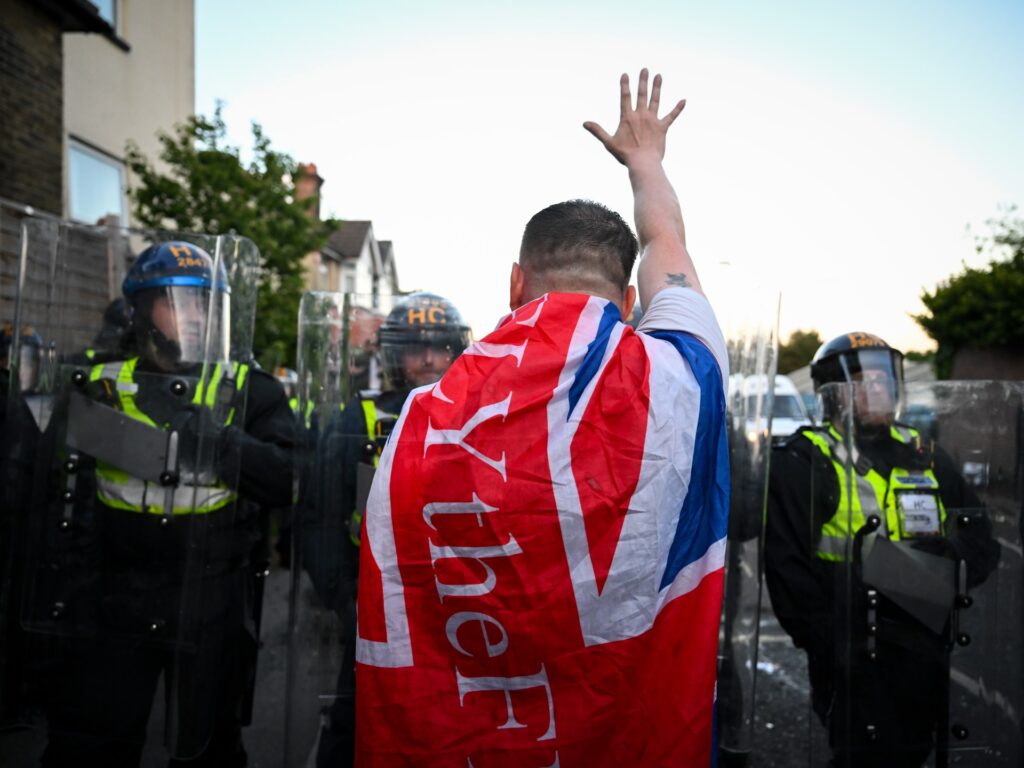
The recent violent protests sparked by the tragic death of student Henry Nowak have drawn condemnation from a UK minister, highlighting the deep societal tensions surrounding this incident. Nowak’s death has become a flashpoint, not only for grief but also for heated political discourse, especially among right-wing groups who allege that the policing system in the UK operates on a ‘two-tier’ basis, disadvantaging white people.
Henry Nowak, a university student, was murdered in an incident that has shocked the community and raised urgent questions about safety and justice. In the wake of his death, protests erupted across various parts of the country. While many activists initially aimed to seek justice and peace, the situation escalated into violence in some instances, prompting government officials to intervene.
The UK minister has expressly condemned the violent demonstrations, asserting that such actions detract from the pursuit of justice and undermine the memory of the victim. The minister emphasized the importance of lawful protest and the need for community solidarity during such difficult times.
Meanwhile, right-wing factions have seized upon the tragedy to amplify claims that policing in the UK is unevenly applied, suggesting a ‘two-tier’ system that favors minority communities over white citizens. These assertions have ignited further debate and concern about racial dynamics within British law enforcement.
Critics of these claims argue that the allegations oversimplify complex social issues and risk inflaming racial tensions. They point to the broader context of institutional challenges in policing and the ongoing efforts to ensure equality and fairness for all communities.
Community leaders have urged for calm and constructive dialogue, emphasizing that Henry Nowak’s death should be a catalyst for unity rather than division. They call for a thorough and transparent investigation into the circumstances surrounding his murder and for measures to prevent such tragedies in the future.
The government has pledged to prioritize justice in this case, ensuring that those responsible are held accountable while also addressing concerns related to policing practices. This tragic event has thus become a critical juncture for discussions about race, safety, and equality in the UK.
As protests continue, the balance between expressing grievances and maintaining public order remains delicate. Authorities are working to support peaceful demonstrations and to prevent further violence, recognizing the community’s right to seek justice while safeguarding the wellbeing of all citizens.
The situation surrounding Henry Nowak’s death is emblematic of broader societal challenges, including how different groups perceive fairness in law enforcement and justice. It raises important questions about how to bridge divides and foster mutual understanding in a diverse society.
Looking ahead, it is clear that addressing the root causes of these tensions requires comprehensive efforts involving government officials, law enforcement, community representatives, and citizens alike. Only through collaborative engagement can the UK hope to move towards a more equitable and peaceful future, honoring the memory of Henry Nowak and ensuring justice prevails.