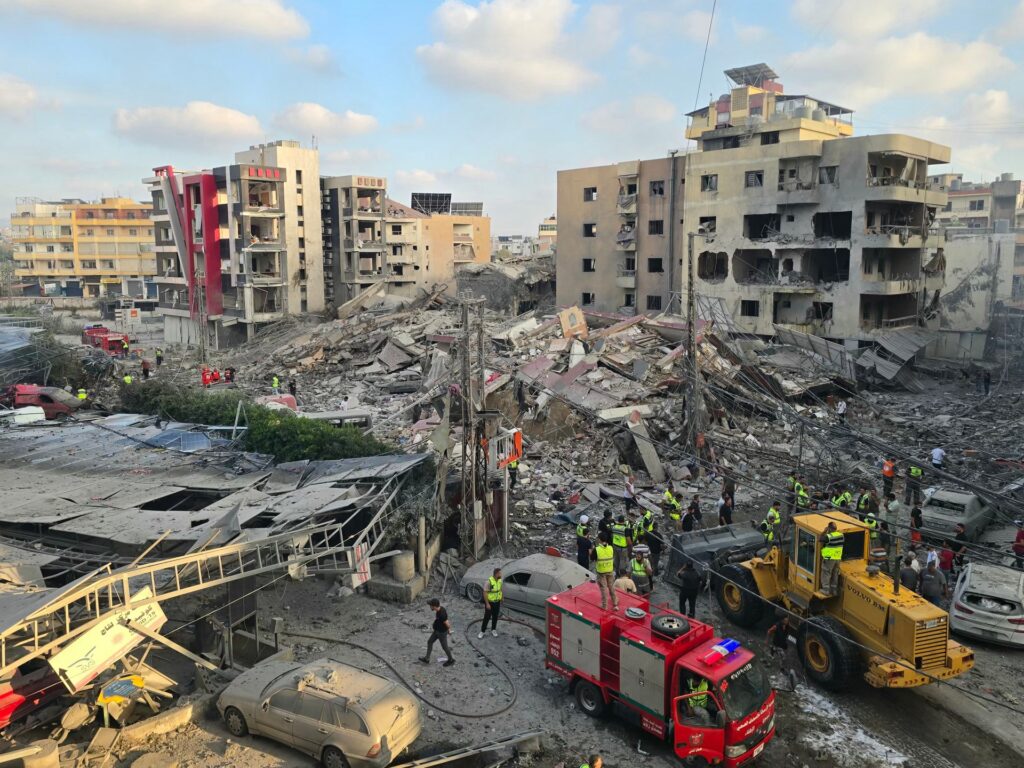
In a significant development in Middle Eastern affairs, former U.S. President Donald Trump has announced that Israel and Hezbollah have agreed to a truce aimed at halting hostilities between the two longstanding adversaries. This announcement comes in a context of heightened tensions and recent escalations that had threatened to spiral into broader conflict.
According to the details released, the Israeli government, under Prime Minister Benjamin Netanyahu, has agreed to halt military operations near Beirut, a move seen as a critical step in de-escalating the situation. Netanyahu’s decision indicates a willingness to reduce immediate tensions in a highly volatile region.
Correspondingly, Hezbollah, the Lebanon-based Shia Islamist militant group, has consented to stop its attacks on Israeli territory, including rocket launches and other forms of aggression that have periodically resulted in significant casualties and infrastructure damage.
This new truce arrangement was facilitated through diplomatic channels, with mediation efforts likely involving multiple international stakeholders, including the United States. Trump’s involvement underscores the continued role the U.S. seeks to play in Middle Eastern peace processes even post-presidency.
The ceasefire is expected to bring temporary relief to civilians in both Israel and Lebanon who have endured the brunt of the conflict through displacement, loss of life, and economic hardships. The agreement offers a platform for more sustained peace negotiations, although both sides remain cautious amid a history of broken truces and deep-seated animosities.
Analysts highlight that while the truce is a positive step, the underlying political and territorial disputes between Israel and Hezbollah persist. The agreement could pave the way for talks targeting long-term solutions to security and sovereignty issues in the region.
International reaction has been cautiously optimistic, with calls from the United Nations and European Union supporting the cessation of violence and urging political dialogue. However, the fragility of the peace remains a concern as history has shown the ease with which escalations can reignite.
In summary, the announcement by Trump regarding the ceasefire between Israel and Hezbollah marks an important moment of potential change. Netanyahu’s agreement to halt military actions near Beirut and Hezbollah’s commitment to stop attacks offer hope for reducing conflict intensity. The global community watches closely as further developments unfold, hoping this arrangement will lead to a durable peace in the Middle East.