In a tense and rapidly unfolding situation in the Middle East, Iran is carefully considering a US-proposed peace plan while Israeli military operations continue unabated in Lebanon. The Iranian government has officially stated that it has not yet responded to the American peace initiative, citing a deep-seated distrust toward the intentions behind the proposal. This development comes amid a backdrop of escalating violence as Israel conducts airstrikes on Lebanese territory, attempting to target militant groups and infrastructure.
The conflict has further intensified regional tensions, with Tehran caught in a complex position. The Iranian leadership’s hesitancy to engage with the peace plan openly reflects longstanding skepticism about US involvement in regional politics and peace processes. Tehran’s officials argue that previous proposals and interventions have often failed to address the underlying issues driving the conflict, leading to repeated cycles of violence.
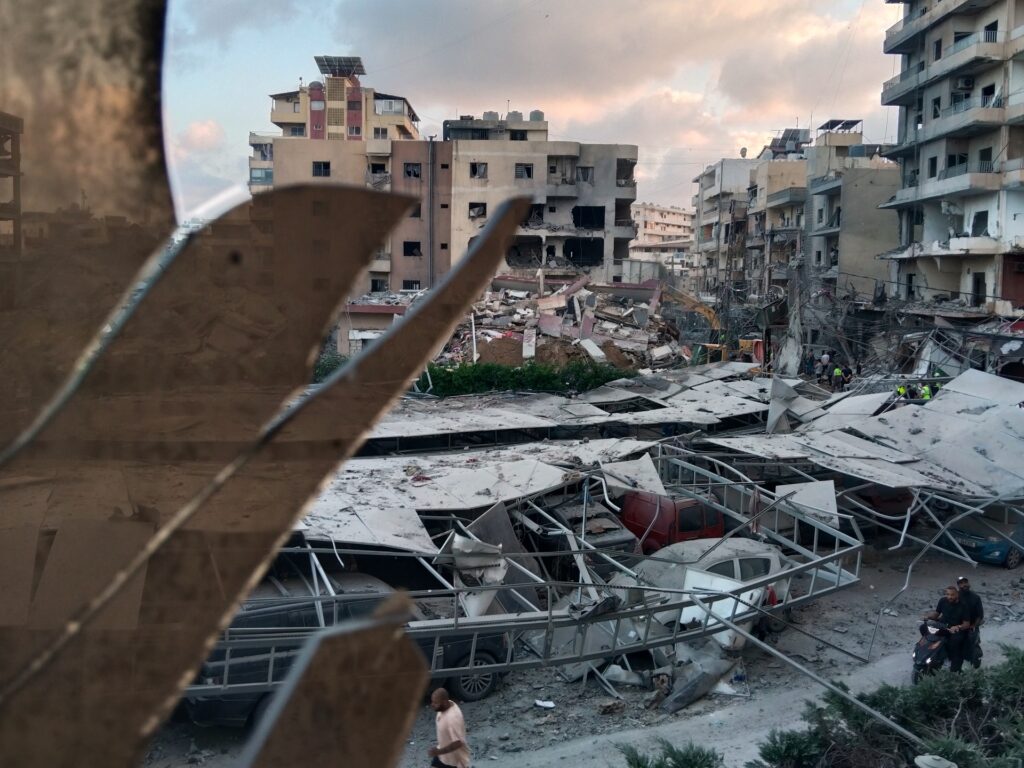
Meanwhile, Israel has justified its bombings as necessary measures to curb threats emanating from militant factions operating out of Lebanon. These strikes, however, have resulted in considerable civilian casualties and destruction of infrastructure, drawing criticism from international observers and humanitarian groups. The continued bombardment exacerbates the precarious humanitarian situation in Lebanon, complicating efforts to provide relief and support to affected populations.
The US peace proposal reportedly includes provisions aimed at halting hostilities, promoting dialogue among the involved parties, and ensuring a measure of security and stability for Lebanon and the broader region. However, Iran’s caution reflects broader geopolitical rivalries and concerns that any peace deal might cement influence for its adversaries or fail to enforce genuine disarmament and de-escalation.
Analysts suggest that Tehran’s delay in responding may be strategic, buying time to assess both the US’s diplomatic posture and Israel’s ongoing military strategy. The effectiveness of the peace proposal, therefore, hinges not just on its content but on the willingness of all parties, including Iran and Israel, to compromise and seek peaceful solutions.
As the violence in Lebanon persists, the stakes remain high for regional and global stability. The international community watches closely, urging restraint and dialogue to prevent further escalation. The coming days are critical, as potential shifts in Iran’s stance could either open the door to negotiations or deepen the conflict further.