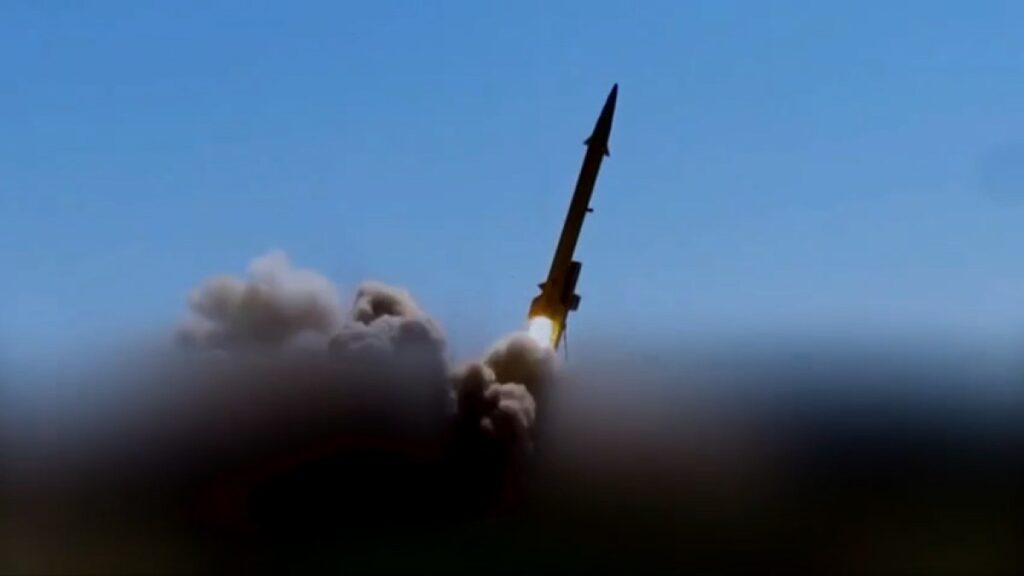
Kuwait has strongly condemned what it termed a ‘heinous Iranian attack’, responding swiftly by activating its air defence systems. The incident marks a significant escalation amid rising tensions between Iran and the United States, with fresh strikes intensifying the volatile situation in the region.
The Kuwaiti Foreign Ministry released a statement denouncing the attack, highlighting the seriousness of Iran’s actions and their detrimental impact on regional security and stability. The swift activation of air defences underscores Kuwait’s readiness to respond to threats and protect its sovereignty.
This attack comes at a time when Iran-US relations are already strained due to ongoing trade disputes, sanctions, and diplomatic conflicts. Recent days have seen a series of new strikes attributed to Iranian forces, complicating efforts to ease tensions and negotiate peace.
Kuwait’s reaction reflects its strategic position in the Gulf and its role in regional diplomacy. As a neighboring country with close ties to both Western and Gulf allies, Kuwait’s condemnation sends a clear message opposing the use of force and supporting peaceful resolutions.
Regional analysts note that the escalation not only risks further destabilizing the Gulf but also threatens global economic interests, given the area’s critical role in oil production and shipping lanes. The detonation of conflicts between Iran and the US could disrupt supply chains and elevate geopolitical risks.
Security experts warn that the activation of air defences is a protective measure but also a sign of heightened alertness that could lead to an arms race or an unintended military engagement if tensions continue to rise unchecked.
The international community closely watches Kuwait’s stance as a potential mediator or voice of calm amid hostilities. Diplomatic efforts are crucial to de-escalate confrontations and foster dialogue between Iran and the US.
In summary, Kuwait’s condemnation of the Iranian attack amidst ongoing Iran-US strikes illuminates the fragile security environment in the Gulf. It highlights the urgency for diplomatic dialogue, restraint from further aggression, and commitment to regional peace to prevent wider conflict and ensure economic stability.
This development serves as a critical reminder of the delicate balance in Middle Eastern geopolitics and the rapid impact that military actions can have on international relations and regional security.