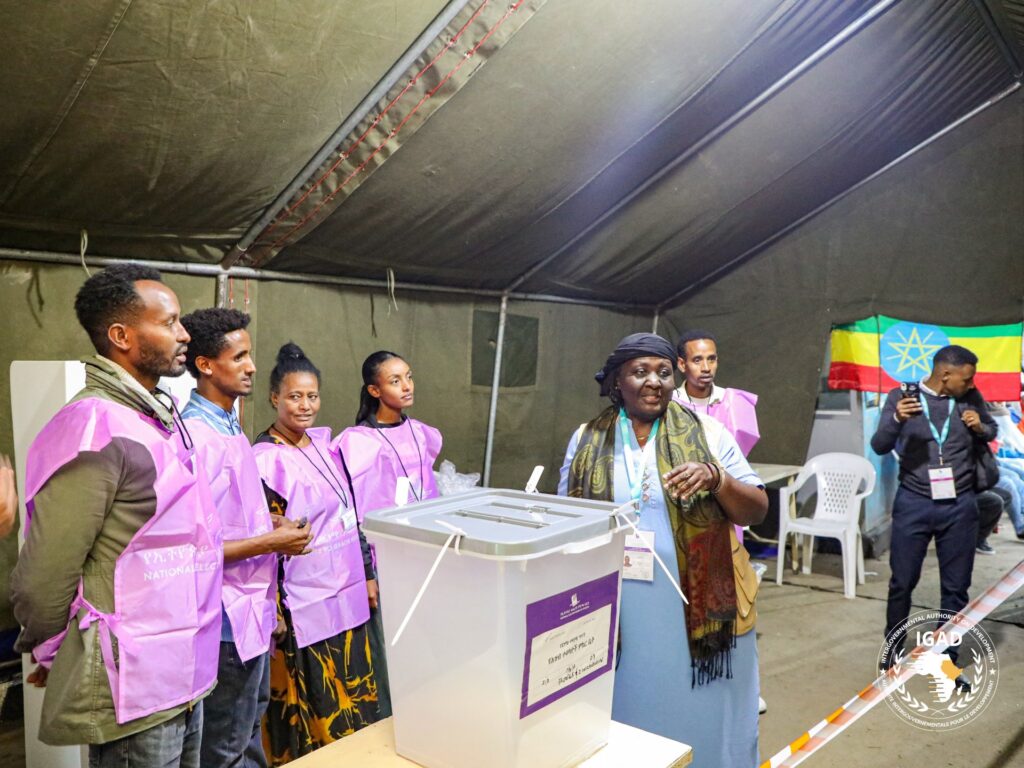
Ethiopia has once again found itself at a critical juncture as millions of its citizens head to the polls in a highly contested election. However, this election has been overshadowed by significant controversy owing to the exclusion of millions of Ethiopians from the electoral process.
The electoral process is a cornerstone of democracy, designed to give every eligible citizen the right to vote and have their voice heard. Nonetheless, in this election cycle, reports indicate that a substantial number of people have been systematically left out. The reasons for their exclusion range from bureaucratic hurdles, registration issues, and regional conflicts to political disputes.
These exclusions have raised questions about the inclusiveness and fairness of the elections. Many opposition groups and international observers have expressed concerns about the integrity of the voting process. They argue that the disenfranchisement of large segments of the population could undermine the legitimacy of the election results and the government formed thereafter.
The government’s stance on the matter has been one of reassurance, asserting that the elections are free, fair, and transparent despite these challenges. Officials have emphasized the technical and logistical difficulties inherent in conducting elections in a country as diverse and vast as Ethiopia, with its myriad ethnic groups and challenging geography.
Voters who have been able to register have expressed a mixture of hope and skepticism. For many, participating in the elections represents a chance to influence the future course of Ethiopia, which has faced political instability, economic challenges, and humanitarian crises in recent years. At the same time, the exclusion of millions casts a shadow over the entire process.
Analysts warn that these elections, while crucial, are just one step in Ethiopia’s complex journey toward sustainable democracy and peace. The country must address the root causes of exclusion and work to ensure that all citizens can participate fully in future electoral processes.
The international community is closely watching the situation in Ethiopia, urging all parties involved to uphold democratic principles and human rights. The outcome of this election will likely have significant implications for the region’s stability and Ethiopia’s role on the global stage.
As Ethiopians cast their ballots, the hope remains that this election will mark a positive step forward, even as the challenges of exclusion highlight the necessity for deeper reforms in the country’s electoral system and governance.