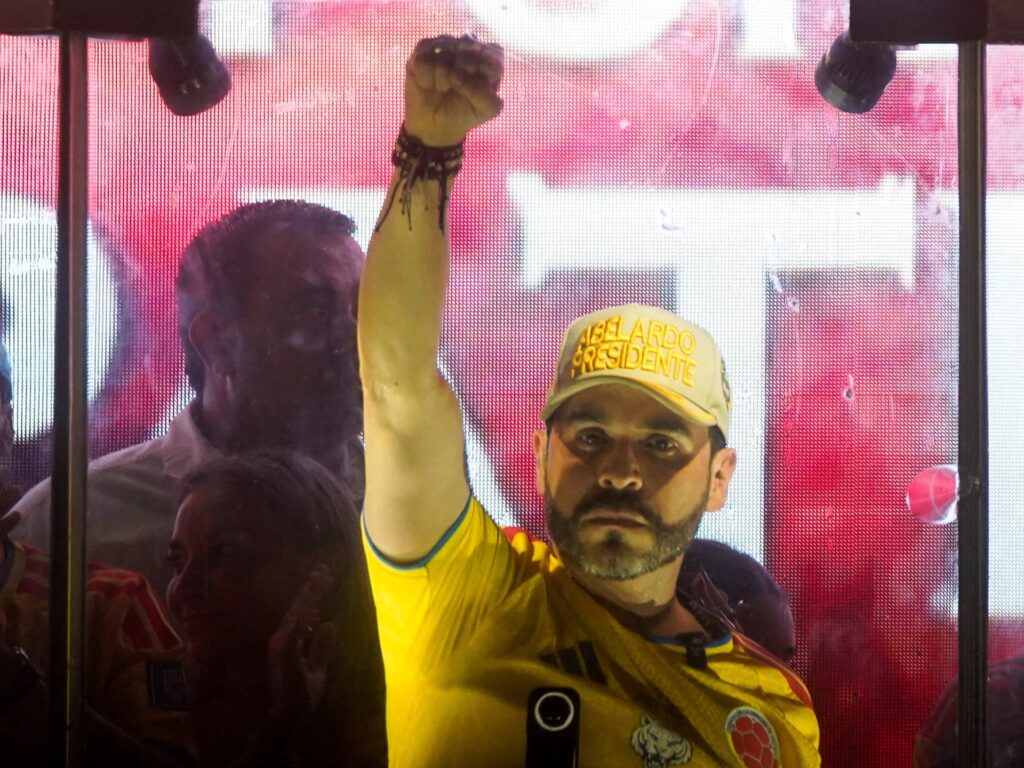
The recent presidential election in Colombia has sent waves of celebration, shock, and skepticism throughout the nation and beyond. The election’s outcome surprised many political analysts and voters alike when far-right lawyer Abelardo de la Espriella emerged victorious in the first round, defeating left-wing Senator Ivan Cepeda in a major upset.
Colombia has a history of deeply polarized politics, with left-wing and right-wing factions often vying intensely for control of the presidency. The victory of de la Espriella has disrupted the political landscape, as most predictions favored Cepeda, who has been a well-known advocate for progressive reforms and social justice.
Abelardo de la Espriella, a lawyer by profession, campaigned on a platform promising strong security measures, economic reforms, and conservative values. His unexpected win signals a shift in voter sentiment, especially among those concerned about economic instability and crime, issues that have long plagued Colombia.
The election results have elicited a wide range of reactions. Supporters of de la Espriella celebrated his victory as a mandate for change and a stance against corruption and disorder. They view his presidency as a chance to restore order and foster economic growth.
Conversely, many supporters of Senator Ivan Cepeda and members of the political left expressed shock and deep concern. They fear that a far-right administration could roll back progress on human rights, social equality, and environmental protection. Cepeda was widely seen as the candidate of inclusion and reform, and his loss has left his base apprehensive about the country’s future direction.
Skepticism has also emerged from international observers and political analysts. Questions loom about how de la Espriella will navigate Colombia’s complex socio-political challenges and whether his promises will translate into effective governance. His previous legal career and political stances have been scrutinized closely to assess his capability to lead the country through turbulent times.
The election further highlighted the divisions within Colombian society. Urban and younger voters tended to favor Cepeda’s progressive agenda, whereas rural and older demographics leaned towards de la Espriella’s conservative message. This demographic split underscores the ongoing struggle Colombia faces in bridging diverse societal interests.
This presidential win sets the stage for a pivotal chapter in Colombian politics. De la Espriella will now face the task of uniting a country that remains deeply divided, addressing pressing concerns such as drug trafficking, corruption, economic inequality, and peace implementation following years of armed conflict.
The world watches closely as Colombia embarks on this new political journey, filled with hope, apprehension, and anticipation. The election’s aftermath is a testament to the dynamic and often unpredictable nature of democratic processes in regions marked by complexity and change.