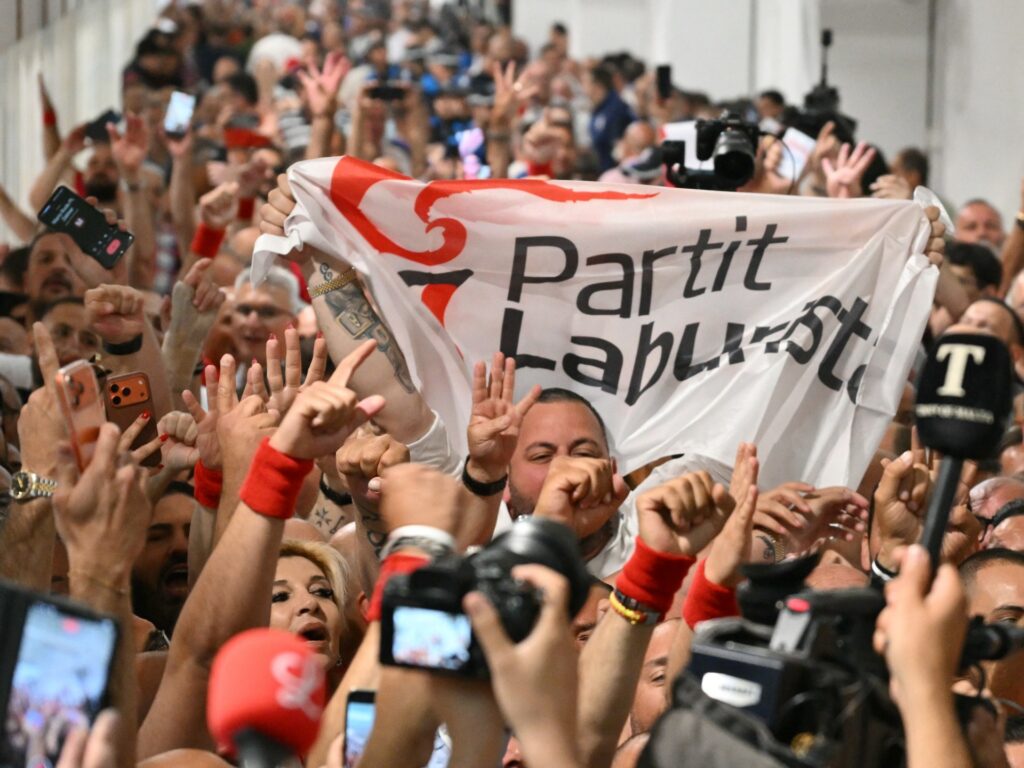
Preliminary results from the recent elections in Malta have revealed a significant victory for the Labour Party, marking its historic fourth consecutive term in power. This triumph underscores the party’s sustained popularity and influence within Malta’s political landscape.
The latest electoral outcome comes at a time when Malta faces considerable geopolitical and economic challenges. The island nation, strategically positioned in the Mediterranean, is navigating a complex web of regional tensions and global uncertainties. Issues such as economic volatility, migration pressures, and shifting international alliances have intensified the stakes of this election.
The Labour Party’s ability to secure another term reflects voters’ confidence in its leadership to steer Malta through these turbulent times. The party campaigned on promises of economic stability, social development, and proactive engagement with international partners to safeguard Malta’s national interests.
Political analysts suggest that the Labour Party’s victory is partly attributed to its focus on addressing economic concerns, including job creation, investment attraction, and social welfare enhancements. This strategy resonated well with the electorate, particularly amid broader concerns over inflation and global economic headwinds.
Opposition parties have acknowledged the election results, though they emphasized the need for constructive dialogue and accountability in the new parliamentary term. They highlighted the importance of addressing issues such as governance transparency and sustainable development to ensure Malta’s long-term prosperity.
The election outcome also holds broader implications for Malta’s role in European and Mediterranean affairs. As geopolitical tensions persist, the Labour government faces the dual challenge of maintaining internal stability while actively participating in regional diplomacy and security initiatives.
In the coming months, the Labour Party is expected to outline its detailed policy agenda, focusing on economic resilience, social equity, and enhanced international cooperation. Observers will be closely monitoring how the government balances these priorities amidst evolving geopolitical dynamics.
Overall, the Labour Party’s historic fourth-term victory signifies both continuity and an opportunity for Malta to assert its position on the international stage, while addressing pressing domestic issues amid uncertain global conditions.