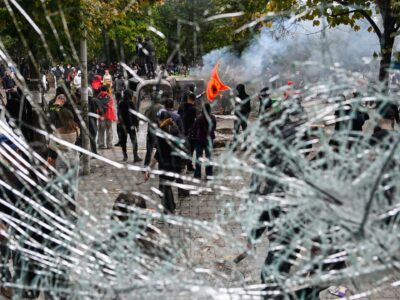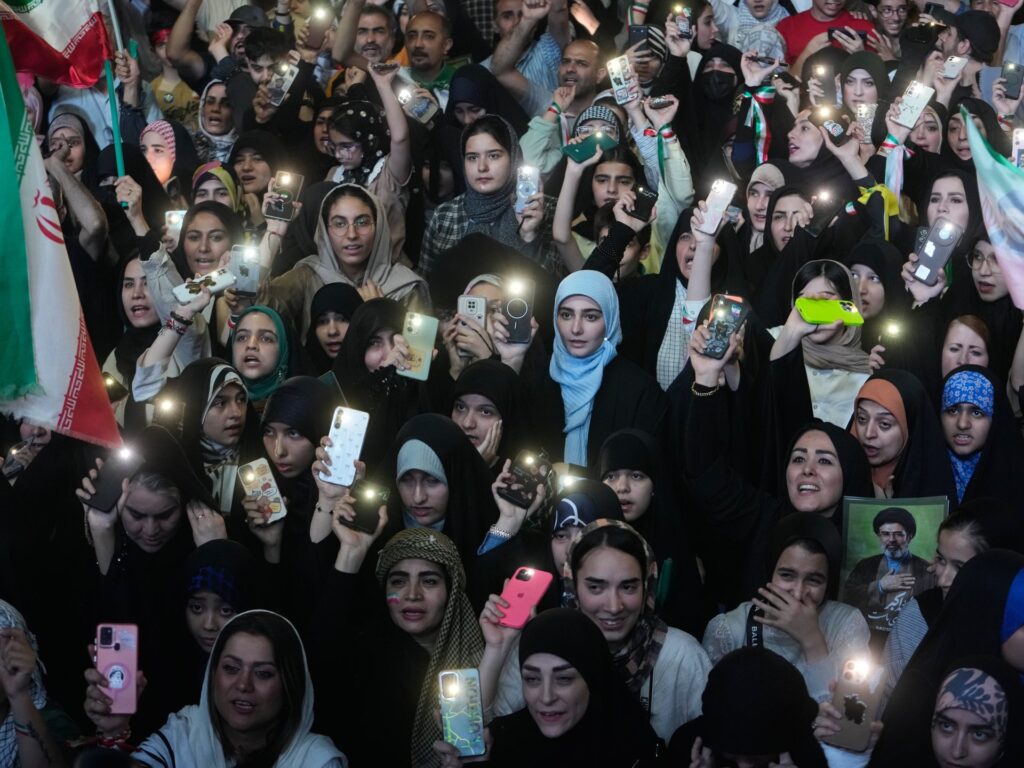
The ongoing conflict in the Middle East has escalated significantly as Israel announces plans to expand its invasion into Lebanon. This move comes amid heightened tensions involving Lebanon, Israel, Iran, and the United States, further complicating an already volatile region.
Lebanese Prime Minister has vehemently condemned Israel’s recent military actions, describing them as “collective punishment” against the Lebanese people. The attacks have reportedly resulted in substantial civilian casualties and destruction, exacerbating humanitarian concerns and drawing international attention.
Israel’s decision to extend its military operations into Lebanon is seen as a response to continued hostilities and perceived threats from armed groups operating within Lebanese territory. The expansion signifies a critical intensification of the conflict, risking broader regional instability.
Amid this turmoil, the diplomatic front is equally fraught. The United States and Iran are locked in delicate negotiations, with hopes for a potential deal hanging in the balance. However, the prospect of an agreement remains uncertain as talks stall, and mistrust deepens.
The US has issued stark warnings to Iran, indicating that failure to reach a deal could prompt direct military action. This threat underscores the high-stakes nature of the negotiations and the potential for further escalation between the US and Iran.
Iran, for its part, continues to support factions in Lebanon and the broader region, positioning itself as a central actor in the conflict dynamics. The potential US-Iran agreement aims to address nuclear concerns and sanctions but remains elusive amidst the chaos.
The international community watches anxiously as the situation unfolds. Humanitarian organizations are mobilizing to assist those affected by the conflict, particularly in Lebanon, where the civilian population bears the brunt of the violence.
Analysts warn that the expansion of Israeli military operations into Lebanon could trigger a wider conflict involving multiple state and non-state actors in the Middle East. The risk of a protracted war could have severe consequences for regional security, energy markets, and global diplomacy.
In summary, the Middle East stands at a critical juncture with Israel’s planned invasion of Lebanon widening the conflict and the US-Iran diplomatic stalemate heightening tensions. The world faces an urgent need for de-escalation and renewed efforts toward peace to prevent further devastation in the region.