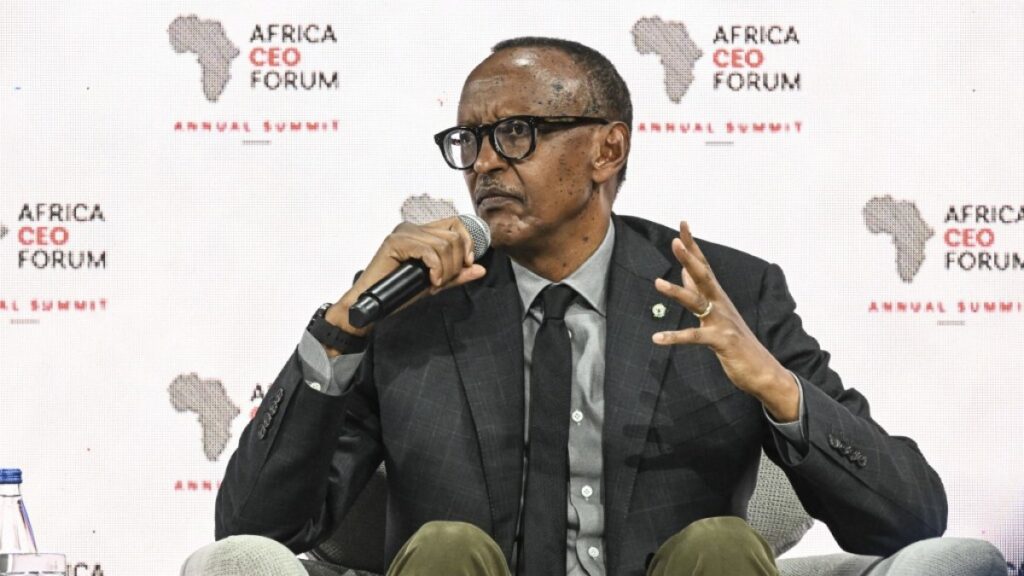
In a significant move highlighting the shifting geopolitical landscape in Africa, Rwanda has entered into a nuclear cooperation agreement with Russia, marking a pivotal step in its ambitions to enhance technological, healthcare, and diplomatic capabilities. This deal underscores not only Rwanda’s strategic vision for national development but also signals a broader shift in Africa’s power dynamics, as nations increasingly seek partnerships beyond traditional Western allies.
Rwanda, a small but rapidly developing nation in East Africa, has been vocal about its desire to leverage advanced technologies to foster economic growth and improve public health. The partnership with Russia focuses primarily on nuclear training and research, areas where Rwanda aims to build domestic expertise that could pave the way for peaceful nuclear applications. These include uses in medicine, energy, and agricultural innovation.
The agreement is part of Rwanda’s broader strategy to diversify its international relations and reduce dependency on Western technology and funding. By engaging with Russia, Rwanda taps into a long-standing global nuclear expertise that Russia offers, including access to specialized education and infrastructure development.
Healthcare stands out as a critical area likely to benefit from this cooperation. Nuclear technology has the potential to enhance cancer treatment through radiation therapy and improve diagnostic imaging, which are often limited by resource constraints in developing countries. Rwanda’s ambitions to advance its medical sector align with its commitments to elevate the quality of life and extend healthcare access to its population.
Beyond healthcare and technology, the Rwanda-Russia nuclear deal has strong diplomatic implications. It signals a growing trend among African nations to assert greater autonomy in choosing their allies and partnerships, reflecting a multipolar world order. This diversification of alliances allows African countries to negotiate on more equal footing and ensures a broader pool of resources and expertise.
Russia, for its part, benefits from expanding its influence in Africa through such agreements. By positioning itself as a partner in civilian nuclear energy and technology, it counters Western dominance and strengthens ties with a continent rich in resources and potential markets.
Experts view this cooperation as a milestone in Africa’s quest for self-reliance and technological advancement. It showcases how nuclear technology, often associated with security concerns, can be harnessed for peaceful and developmental goals when managed responsibly.
The Rwanda-Russia nuclear deal thus marks a new chapter in Africa’s development narrative, one where technological empowerment and strategic diplomacy go hand in hand. It illustrates the continent’s evolving role on the global stage, increasingly characterized by diversified partnerships and forward-looking ambitions to transform economies and improve livelihoods through science and innovation.