In a rapidly escalating conflict scene, Lebanon has formally accused Israel of implementing a ‘scorched earth policy’ during its recent military operations. The Lebanese Prime Minister has strongly condemned Israel’s actions, describing the attacks as a form of collective punishment against the Lebanese people.
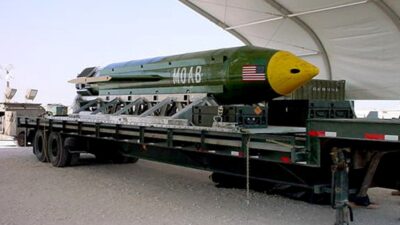
These developments come in the backdrop of heightened tensions involving Iran and the United States. U.S. officials have issued stern warnings to Iran, signaling the possibility of military strikes if a diplomatic agreement is not reached soon. This warning adds a complex layer to the ongoing regional conflict, intensifying concerns across the international community.
The term ‘scorched earth policy’ refers to a military strategy aimed at destroying anything that might be useful to the enemy while advancing through or withdrawing from an area. Lebanon’s accusation highlights the severe humanitarian and infrastructural impact in regions affected by what it considers disproportionate and punitive measures by Israel.
The Lebanese Prime Minister’s remarks underscore the deepening regional instability and the dangerous consequences for civilian populations caught in the crossfire. His statement emphasizes that such tactics not only destroy infrastructure but also deepen sectarian divides and undermine prospects for peace.
Meanwhile, the United States continues its diplomatic efforts but has simultaneously maintained a readiness to consider military options. This dual approach reflects Washington’s determination to prevent Iran from further destabilizing the region, especially through its nuclear ambitions and support for proxy forces.
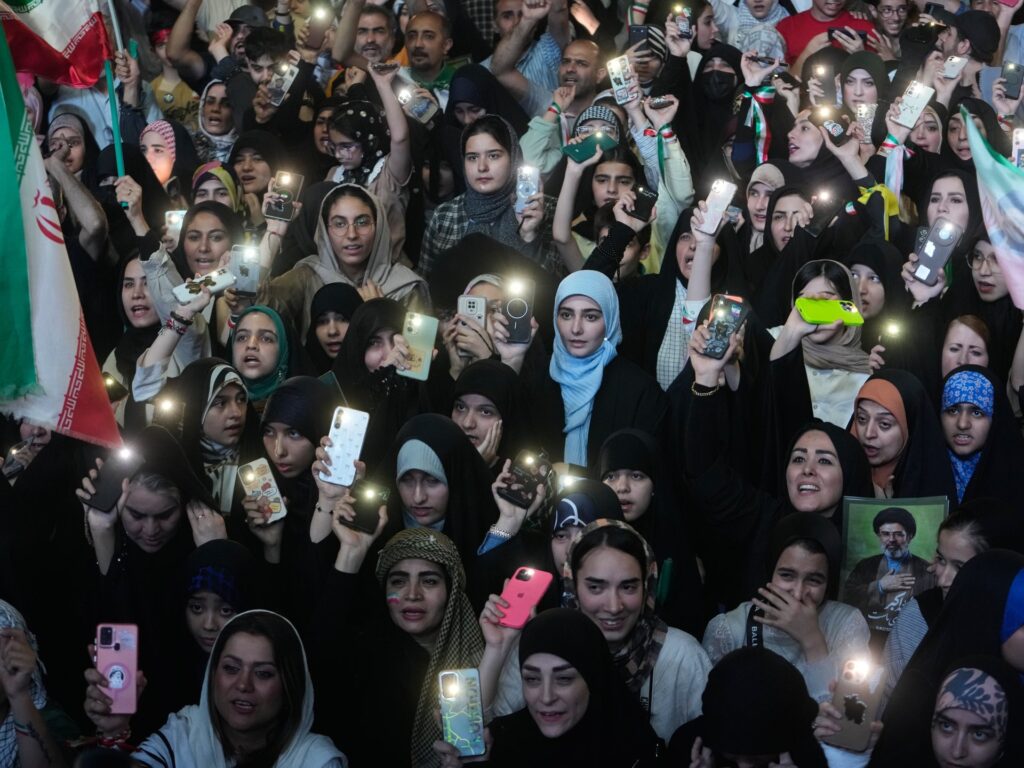
Iran remains defiant, warning against any foreign intervention and asserting its right to self-defense and regional influence. Tehran’s stance has further complicated the possibility of a peaceful resolution, as it negotiates under intense international pressure.
The evolving situation has drawn urgent calls for restraint and dialogue from global powers and international organizations. Humanitarian agencies are also raising alarms over the growing civilian casualties and displacement resulting from the ongoing hostilities.
As the conflict intensifies, the international community faces a critical juncture. The risk of a broader regional war looms, with significant implications for global security and economic stability.
This latest development in Lebanon’s confrontation with Israel, coupled with the U.S. warnings to Iran, highlights the fragile and volatile nature of Middle Eastern geopolitics. It underscores the urgent need for renewed diplomatic engagement to prevent further escalation and to protect millions of innocent lives impacted by the conflict.