The Democratic Republic of Congo (DR Congo) is witnessing a frightening surge in confirmed Ebola cases, which have nearly doubled within a matter of days. The outbreak, involving a rare strain of the Ebola virus, continues to spread swiftly, particularly in the conflict-ridden eastern regions of the country.
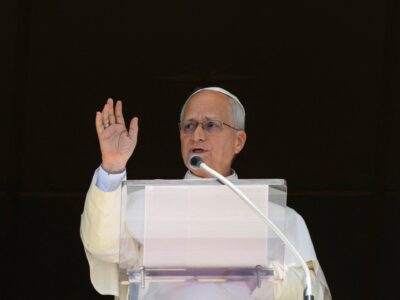
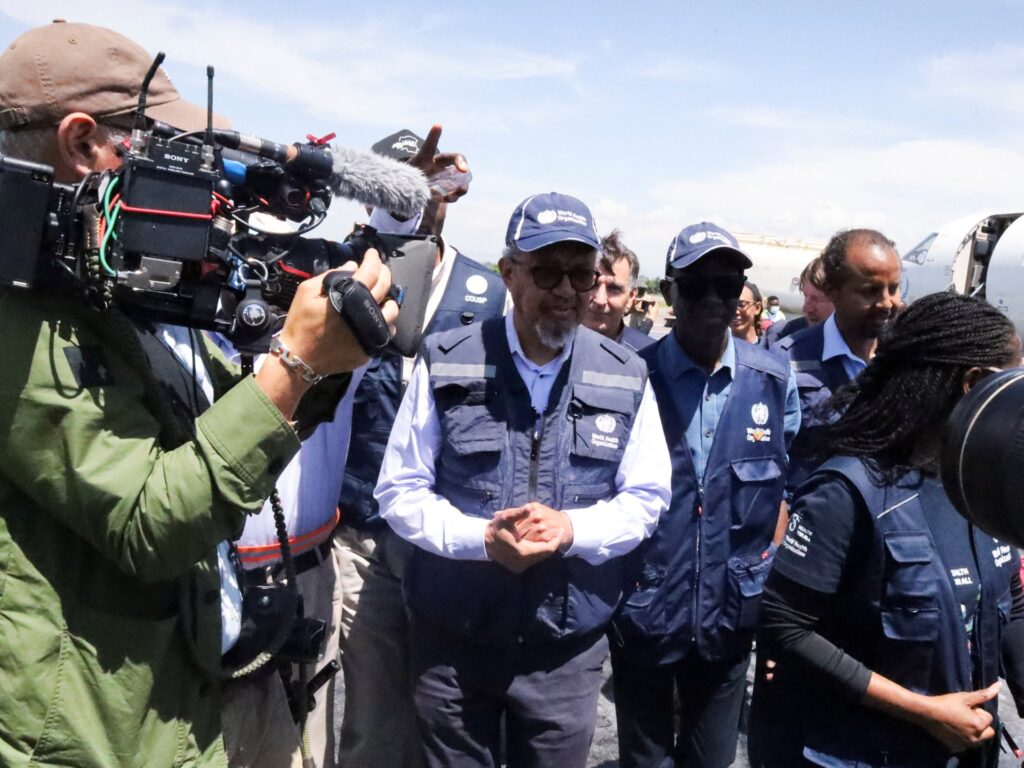
The World Health Organization (WHO) Director-General, Dr. Tedros Adhanom Ghebreyesus, has recently visited DR Congo to assess the evolving situation firsthand and to emphasize the urgent need for a coordinated, community-led response to contain the outbreak. Dr. Tedros highlighted that the ongoing violence and instability in eastern DR Congo pose significant obstacles to effective epidemic control efforts.
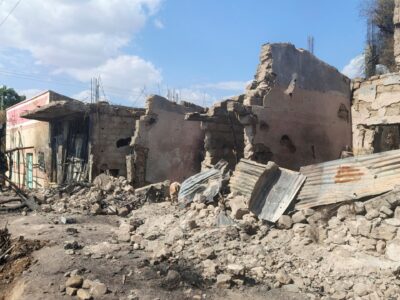
This Ebola outbreak is distinct due to the strain involved and the challenging security environment that hampers medical teams’ access to affected populations. The conflict has not only escalated the risk of virus transmission by displacing communities but also limited vaccination and surveillance activities.
Health authorities report that in the last few days, the number of laboratory-confirmed Ebola cases has nearly doubled, indicating rapid transmission. This unsettling trend underscores the urgency of intensifying containment measures, including ramping up vaccination campaigns, improving case detection, and enhancing community engagement.
Dr. Tedros urged local leaders and the international community to prioritize a “community-led fight” against this outbreak. Empowering local communities to take ownership of prevention and response activities is seen as pivotal to curbing the virus’s spread, especially given the mistrust and misinformation that often flourish in conflict zones.
The WHO is collaborating closely with the DR Congo government and partners to mobilize resources and deploy healthcare workers to the hardest-hit areas. They are also working to strengthen surveillance systems and bolster logistics support, which are crucial for timely case identification and treatment.
This surge in Ebola cases presents a significant public health emergency, demanding swift and comprehensive action. The global health community is called upon to support DR Congo in overcoming the compounded challenges of disease outbreak and ongoing conflict.
In summary, the nearly doubling of confirmed Ebola cases in the past days in DR Congo’s eastern region has raised alarm bells internationally. Dr. Tedros’ visit and call for community-driven efforts mark a critical juncture in the fight against the outbreak. Without immediate and sustained interventions, the rare strain of Ebola could spread further, exacerbating the humanitarian crisis in this volatile region.