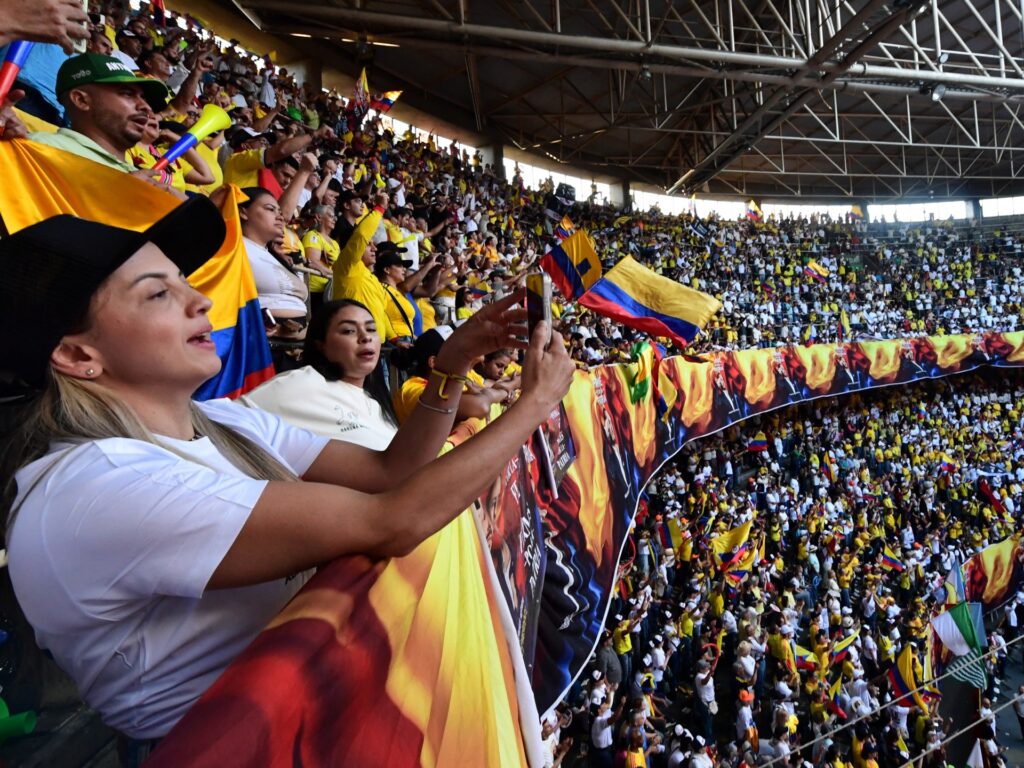
Colombia is currently witnessing a highly polarized presidential election, with candidates representing starkly contrasting visions for the country’s future. Senator Ivan Cepeda has emerged as a leading candidate, currently ahead of two main right-wing rivals in the first round of voting. This election is heavily influenced by central issues surrounding national security, reflecting the concerns of many Colombians amid ongoing challenges.
Cepeda, known for his progressive stance, aims to address social inequalities and improve peace processes, advocating for strengthened human rights protections and inclusive governance. His campaign has gained support from voters eager for change and a shift towards social justice after decades of conflict.
In contrast, his right-wing competitors emphasize law and order, focusing on combating crime, drug trafficking, and guerrilla violence to restore stability. They promote tougher security policies and economic reforms intended to boost investment and growth.
The election comes at a pivotal moment for Colombia, as it grapples with the aftermath of peace agreements and rising concerns over violence and instability in rural regions. Voters’ choices between these divergent platforms could determine the country’s direction on critical issues such as security, development, and social policy.
Security concerns dominate the political discourse, with candidates debating strategies to deal with armed groups and ensure public safety. This focus reflects widespread apprehension about violence, displacement, and the challenge of consolidating peace nationwide.
The election also highlights a broader ideological divide in Colombian society. On one hand, there is a push for progressive reforms and addressing historical injustices, while on the other, there is a demand for firm security measures and economic liberalization.
Colombia’s presidential race serves as a microcosm of global trends where nations face choices between progressive and conservative leadership amid complex social challenges.
As the election progresses, the international community watches closely, knowing that the outcome will influence Colombia’s stability and its role in regional geopolitics.
In summary, Colombia’s presidential election is defined by opposite visions: one focusing on peace, social justice, and reform led by Senator Ivan Cepeda, and the other centered on security and conservative economic policies championed by right-wing rivals. The decision made by Colombian voters will shape the nation’s path forward in security, governance, and societal development.