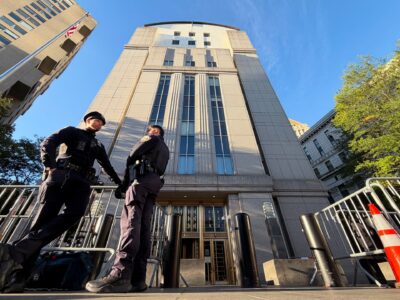
A US federal judge has issued a temporary block on the establishment of a nearly $1.8 billion fund linked to former President Donald Trump. The fund, dubbed the ‘anti-weaponisation fund,’ originated from a recent settlement between Trump and the Internal Revenue Service (IRS) concerning his leaked tax records.
The fund was created as part of a resolution in an ongoing dispute involving the controversial release and handling of Trump’s tax documents, which sparked widespread debate and legal challenges. The settlement was intended to serve as a financial mechanism to prevent the misuse or weaponisation of sensitive tax information for political or personal vendettas.
However, the federal judge’s temporary injunction puts a halt to the fund’s deployment, pending further legal review. The order reflects concerns about the fund’s implications and the broader legal questions surrounding its creation and purpose.
The nearly $1.8 billion figure is notably substantial, drawing attention from legal experts, political commentators, and advocates concerned about both privacy rights and governmental accountability. Supporters of Trump argue that the fund is a necessary step to protect individuals from unlawful targeting, especially in politically charged situations. Conversely, critics worry that the fund could be misused to shield powerful individuals from legitimate scrutiny.
The IRS confirmed that the fund was part of the settlement agreement, designed to address the complex consequences of leaked tax information. The settlement itself followed intense negotiations and legal wrangling, with Trump’s legal team emphasizing the need to restore privacy and prevent future leaks.
Legal analysts suggest that the decision to temporarily block the fund is a cautious approach, allowing the courts to thoroughly examine the legality and potential impact of the fund before it becomes operational. This move highlights the delicate balance between protecting taxpayer information and ensuring transparency and accountability in government.
The case reflects the ongoing controversies surrounding Trump’s financial disclosures and the broader issues of privacy rights in the digital age. The outcome of this legal battle could set important precedents for how sensitive financial information is handled by both government agencies and private individuals.
As the case proceeds, stakeholders and observers await further court rulings that will determine the fate of the anti-weaponisation fund. The decision will likely influence future policies on data privacy, legal settlements involving public figures, and the enforcement of tax laws.
This development is a significant chapter in the complex legal landscape shaped by Trump’s presidency and the challenges of managing sensitive information in an era of frequent leaks and political conflict. The temporary block underscores the judiciary’s role in scrutinizing government actions and protecting constitutional rights against potential overreach.
In summary, the federal judge’s move to temporarily block the $1.8 billion anti-weaponisation fund marks a pivotal moment in the ongoing legal saga surrounding Donald Trump’s tax records and the broader implications for privacy and political accountability in the United States.