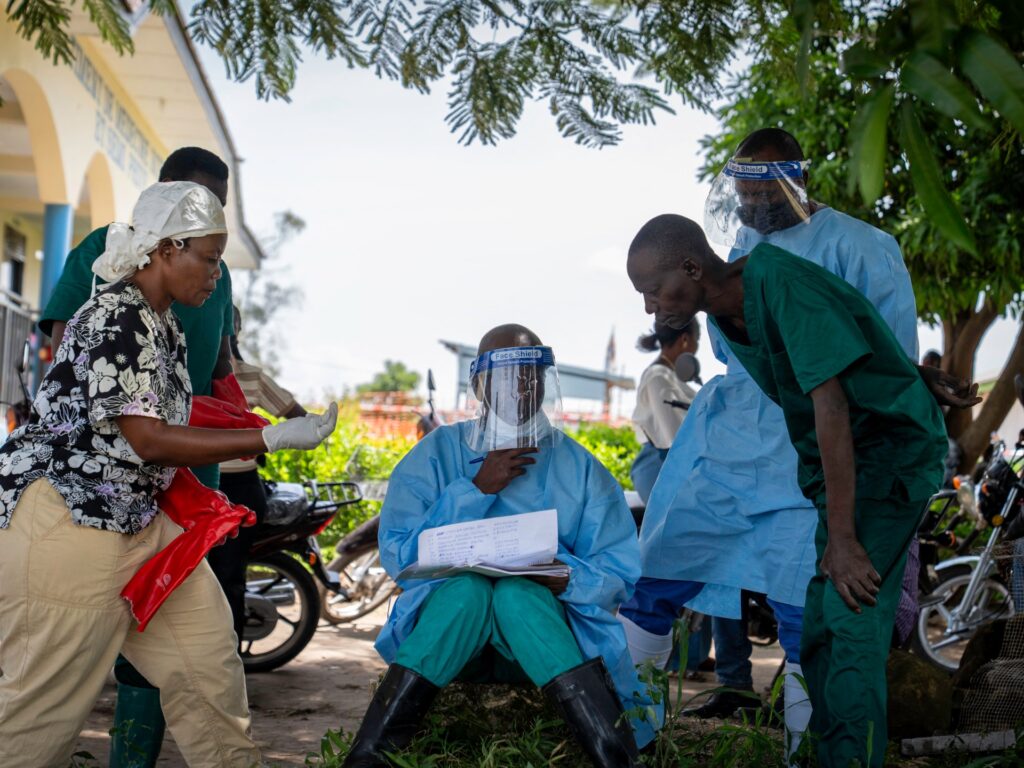
The Democratic Republic of the Congo (DRC) is currently confronting its 17th Ebola outbreak, characterized by the spread of the Bundibugyo strain of the virus. This outbreak has notably impacted the Ituri province, one of the hardest-hit regions, prompting heightened attention and intervention from global health authorities.
As of the latest reports, the number of confirmed Ebola cases in the DRC has escalated to 121, with 17 confirmed deaths related to the virus. In addition to these figures, there are 246 suspected fatalities, underscoring the severity and rapid transmission of the disease within the affected areas.
In a significant response to this health crisis, the head of the World Health Organization (WHO) has embarked on a visit to Ituri. This visit symbolizes a critical move to address the outbreak directly, facilitate coordination of efforts, and ensure the provision of vital resources to combat the spread of Ebola.
The Bundibugyo strain, while less common than other Ebola variants, has proven to be a formidable threat in the current outbreak. The region’s healthcare infrastructure faces challenges in managing the surge, which complicates containment measures and the delivery of medical care.
Local authorities, in collaboration with international organizations like the WHO, are intensifying surveillance, vaccination campaigns, and community engagement initiatives. Their goal is to quickly identify new cases and isolate patients to prevent further transmission.
The WHO chief’s presence in Ituri is expected to galvanize additional support and draw global attention to the escalating situation. Efforts are underway to strengthen border controls, improve diagnostic capabilities, and enhance communication strategies to mitigate misinformation and panic.
The outbreak’s impact extends beyond health, affecting the social and economic fabric of the communities. Movement restrictions, fear of contagion, and the toll of illness contribute to significant disruptions in daily life.
Nonetheless, the combined efforts of local healthcare workers, international experts, and community leaders provide cautious optimism. Advancements in treatment protocols and the deployment of vaccines tailored to the Bundibugyo strain offer hope in containing the epidemic and reducing fatalities.
The situation remains fluid, with continuous monitoring and rapid response critical to averting a wider crisis. The DRC’s experience with previous Ebola outbreaks equips it with valuable insights into managing such emergencies, yet the current scenario demands unprecedented coordination and resilience.
Stakeholders urge the international community to sustain their support, ensuring adequate funding, supplies, and technical assistance to bring the outbreak under control. The health of millions depends on swift and effective action to halt the advance of Ebola in the DRC.
As the WHO chief leads efforts on the ground in Ituri, spotlighting the urgent need for comprehensive response measures, the world watches closely, hoping for a swift resolution to one of the most challenging public health emergencies in the region.