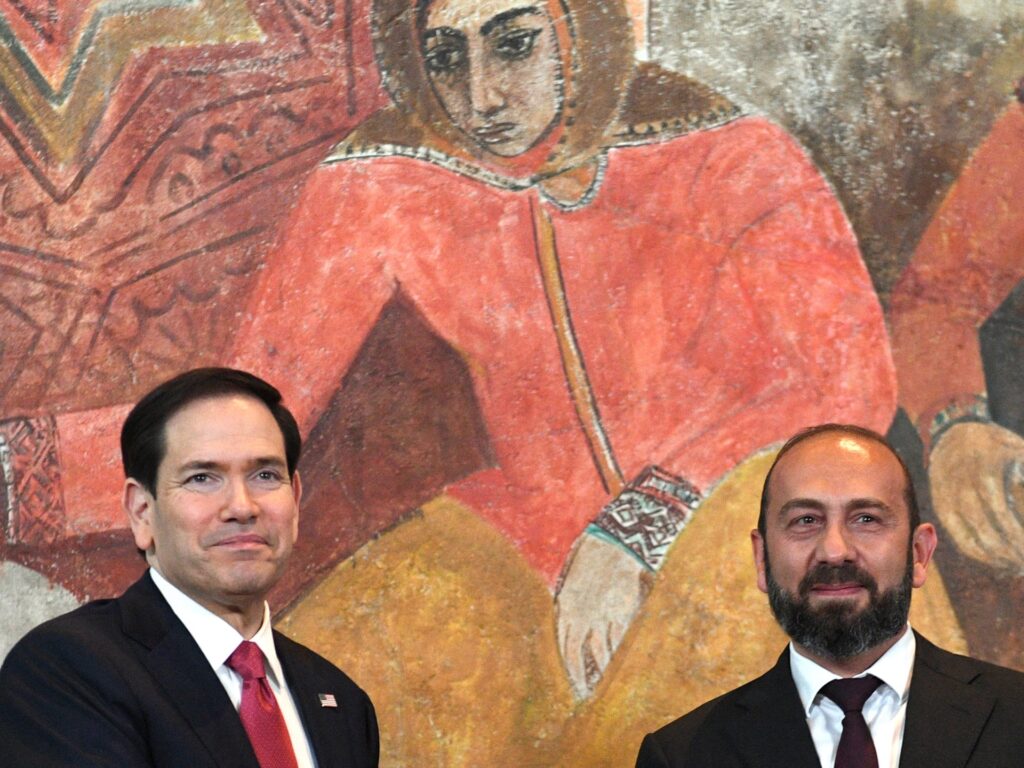
As Armenia approaches its parliamentary elections, the country has taken a significant diplomatic step by signing a strategic partnership agreement with the United States. This move marks an important development in Armenia’s foreign relations, underlining Prime Minister Nikol Pashinyan’s intent to deepen ties with Western allies amidst mounting political challenges.
The agreement aims to enhance cooperation between Armenia and the US in various sectors, including security, economic development, and democratic governance. It is seen as a strategic alignment that could bolster Armenia’s international standing and provide new opportunities for economic and infrastructural development.
Prime Minister Nikol Pashinyan, a prominent pro-Western leader, has been at the center of transformative reforms in Armenia since his rise to power. His government has prioritized closer relationships with the US and Europe, seeking to diversify Armenia’s international partnerships beyond its traditional reliance on Russia.
However, this strategic partnership deal arrives at a time of intense political competition in Armenia. The upcoming parliamentary elections are expected to be fiercely contested, with pro-Russian parties mounting a significant challenge to Pashinyan and his administration.
Pro-Russia factions criticize the current government’s pivot towards the West, warning that it could jeopardize Armenia’s traditional alliances and security arrangements, particularly with Russia, which has been a longstanding security partner for the country.
Analysts suggest that these elections could serve as a referendum on Armenia’s foreign policy direction. While Pashinyan advocates for diversified international relations, including robust ties with the US, Russia retains considerable influence among portions of the electorate that value historical and security connections.
The strategic partnership agreement outlines frameworks for cooperation on defense, information sharing, and countering regional threats, including terrorism and cyber warfare. These areas are priorities for both nations, given Armenia’s geopolitical challenges in the South Caucasus region.
Economic collaboration is also a key component, with the US offering support for infrastructure projects, technology development, and investment initiatives aimed at stimulating Armenia’s economy.
The timing of the agreement—so close to the elections—has added a layer of complexity to Armenia’s domestic politics. Supporters of Pashinyan see it as a bold step to modernize and integrate Armenia into a globalized economy, while critics argue the move may alienate traditional allies and provoke instability.
International observers are watching closely, noting that the election outcomes will influence the trajectory of Armenia’s foreign policy and its balance between East and West.
In summary, Armenia’s signing of a strategic partnership deal with the United States is a landmark decision set against the backdrop of a contentious election. Prime Minister Nikol Pashinyan’s pro-Western stance promises closer ties with the US, but he faces strong opposition from pro-Russian parties who seek to maintain Russia’s dominant influence. This dynamic highlights the ongoing geopolitical contest in the region and the evolving strategic choices of Armenia as it navigates its future on the world stage.