In a recent exchange of comments highlighting the tense relationship between the United States and Iran, Iran has invoked historic battles to respond to former U.S. President Donald Trump’s assertions regarding an imminent agreement. Trump’s statements suggested that a deal between the two nations could be forthcoming, a claim that Iran met with a retort grounded in its rich history of resilience and conflict.
Iran’s response leans heavily on references to historic military encounters that underline their national pride and strategic defiance over centuries. By citing these battles, Iranian officials aim to convey a message of steadfastness and strength, indirectly cautioning against underestimating their position in ongoing negotiations.
The invocation of such historical events serves multiple purposes for Iran. It reaffirms their identity as a nation that has defended its sovereignty against formidable opponents and signals to the international community that any agreement with the West will come on Iran’s own terms. This historical framing also serves domestically, rallying national unity and emphasizing a narrative of endurance amid external pressures.
Trump’s commentary, meanwhile, has been part of a broader rhetorical approach, seeking to assert U.S. influence and optimism about diplomatic breakthroughs. By highlighting a potential deal, Trump aimed to present a narrative of progress that could appeal to domestic and international audiences eager for stability in the Middle East.
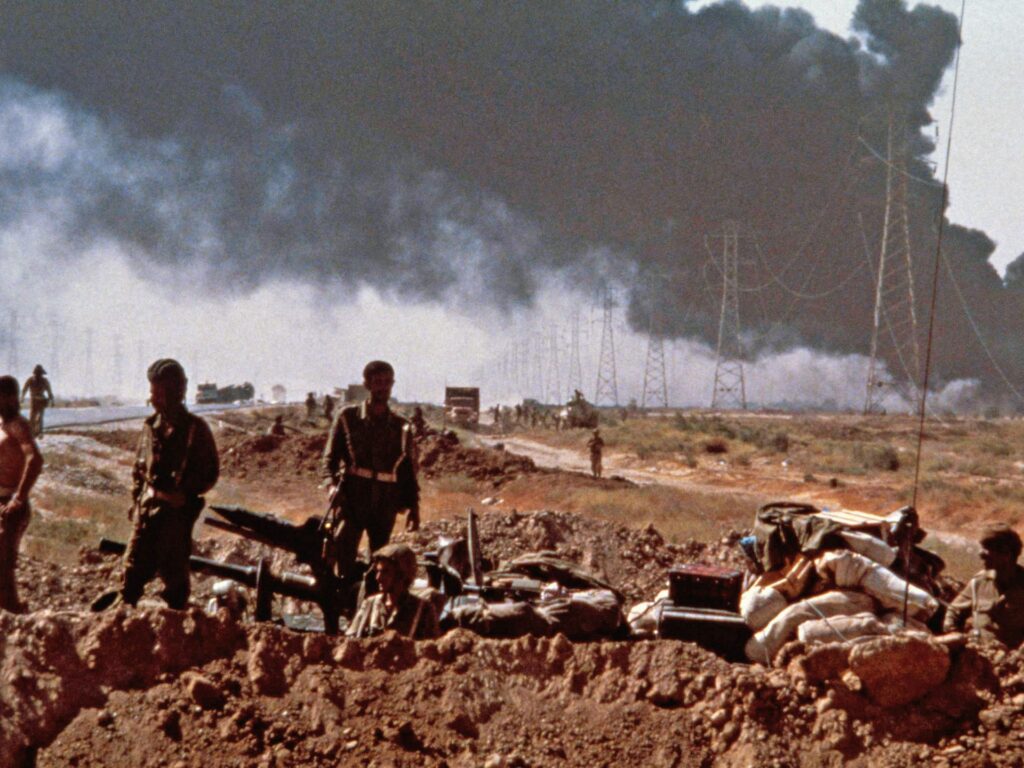
However, Iran’s allusions to historic battles underscore the deep complexities and mistrust that persist between the two nations. The legacy of conflicts such as the Iran-Iraq War, colonization struggles, and various foreign interventions inform Iran’s cautious stance toward negotiating with the West, reflecting lessons learned from past encounters.
This dialogue reveals the enduring challenge of bridging divergent perspectives in the quest for diplomatic solutions. Iran’s use of history as a rhetorical tool exemplifies how narratives from the past continue to shape modern geopolitics, influencing not only policy decisions but the tone and tenor of international discourse.
Analysts note that while the prospect of an agreement remains uncertain, the interplay of historical memory and contemporary diplomacy will play a pivotal role in shaping outcomes. Both sides appear aware that beyond formal talks, intangible factors such as national pride, historical experience, and mutual suspicion are critical elements in the negotiation process.
Moreover, this incident highlights the powerful role of public communication in international relations. Statements made by high-profile leaders resonate widely, prompting responses that blend political strategy with cultural symbolism.
As the world watches developments between the U.S. and Iran, the convergence of history and diplomacy observed in this exchange offers profound insight into how nations manage conflict and seek resolution amid enduring challenges. The invocation of past battles in response to current events emphasizes the continuing impact of history on the global stage and the intricate dance of diplomacy that shapes international affairs today.