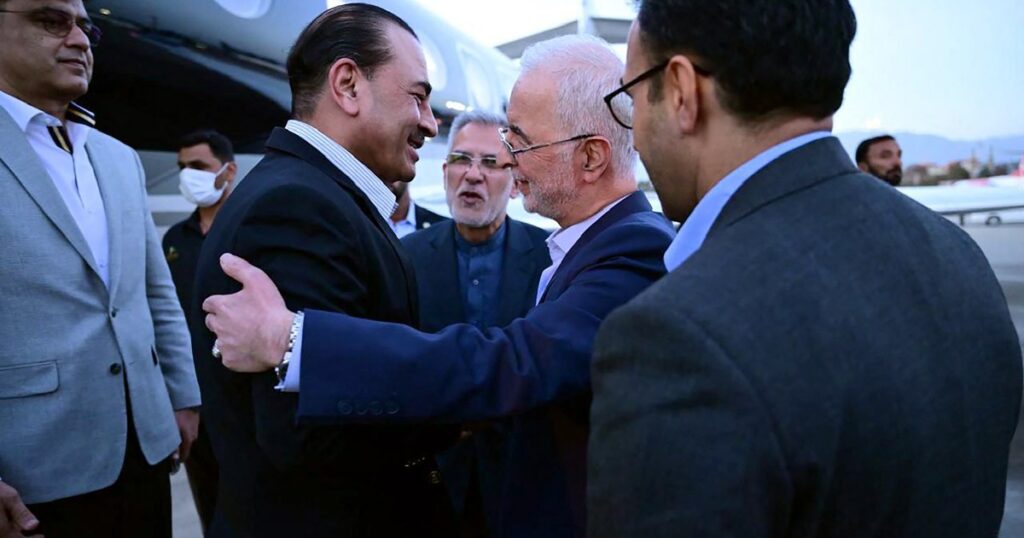
Pakistan’s Army Chief, General Asim Munir, has arrived in Tehran as part of ongoing mediation efforts amidst escalating tensions between Iran and the international community. This visit comes at a crucial time when the European Union is moving to impose sanctions on Iran due to its recent blockade of the strategic Strait of Hormuz, a vital global shipping route.
General Munir’s visit underscores Pakistan’s proactive role in regional diplomacy and its interest in stabilizing relations between Iran and the West. The blockade has caused significant disruptions in oil shipments and heightened security concerns, compelling global powers to seek peaceful resolutions.
Meanwhile, in Washington, US Senator Marco Rubio commented on the delicate diplomatic situation, noting ‘slight progress’ in ongoing talks with Iran. These discussions aim to de-escalate tensions and address contentious issues surrounding Iran’s nuclear program and its regional activities.
The convergence of these developments highlights the complex geopolitical dynamics at play in the Middle East. Iran’s actions in the Strait of Hormuz have drawn sharp criticism from Western nations, leading to EU sanctions intended to pressure Tehran into compliance with international norms.
Pakistan’s mediation attempt signals its commitment to facilitating dialogue and preventing further instability in the region. The country shares borders with Iran and has historically maintained cordial relations, making it a plausible mediator.
The blockade of the Strait of Hormuz, through which a significant portion of the world’s oil supply passes, has serious implications for global energy markets. The EU’s response by threatening sanctions marks a firm stance against any threats to maritime security and free navigation.
Senator Rubio’s remarks about progress in talks provide a cautiously optimistic note amid rising tensions. However, the situation remains fluid, with negotiations still fragile and outcomes uncertain.
The international community continues to watch closely as Pakistan’s mediation efforts unfold alongside diplomatic initiatives by the US and EU. Ensuring peace and stability in the Gulf region remains a top priority to prevent escalation into broader conflict.
In summary, Pakistan’s Army Chief General Asim Munir’s visit to Iran represents a significant diplomatic effort amidst the growing crisis triggered by the Hormuz blockade. Concurrently, international negotiations, including those involving the United States, show tentative signs of progress. The unfolding events will undoubtedly shape the geopolitical landscape of the Middle East in the coming weeks.