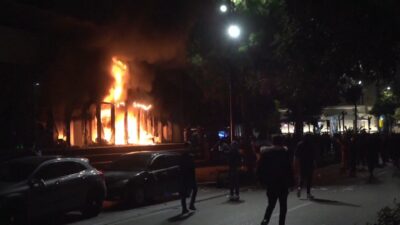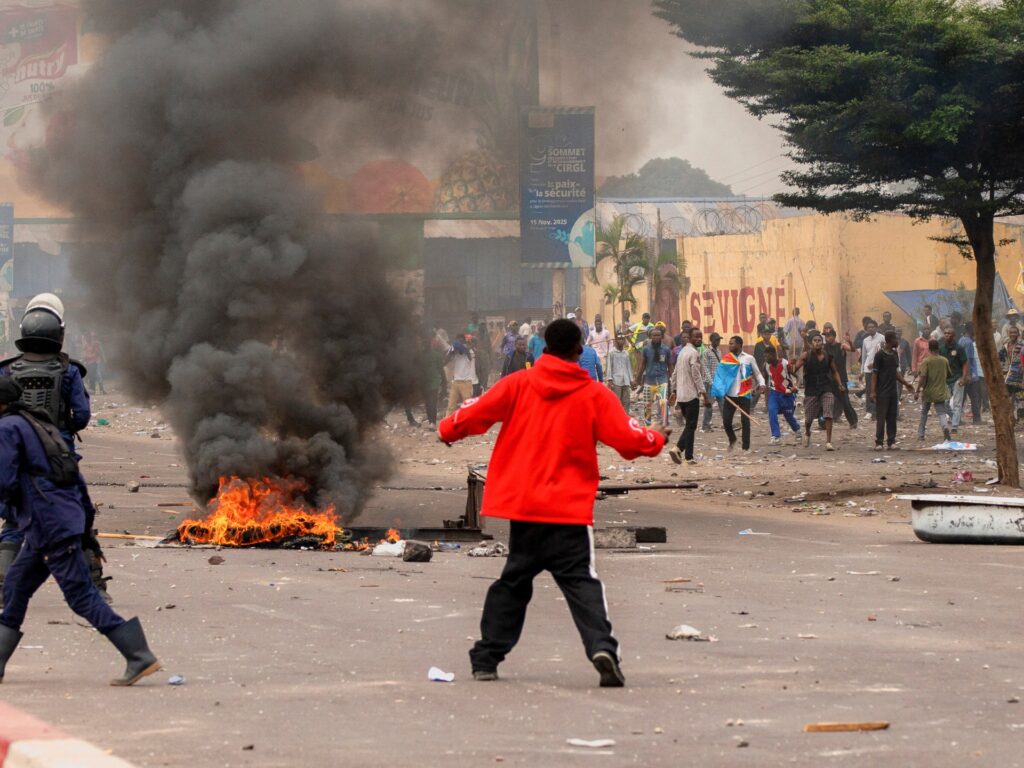
Violent clashes broke out at a political rally in the Democratic Republic of Congo (DRC) as protestors gathered to oppose changes to the presidential term limits. The rally included both opposition supporters and pro-government activists, leading to confrontations that escalated quickly. Police intervened to disperse the crowds, employing tear gas to control the situation.
The contested change aimed at modifying the constitutional limits on how long a president can remain in office has stirred widespread debate and concern across the country. Critics argue that the amendment is a direct attempt by the current administration to extend its grip on power, undermining democratic principles and risking political stability.
The opposition groups had organized the rally to express their rejection of the term-limit alterations, calling for the government to respect the constitution and uphold democratic processes. Pro-government supporters, on the other hand, defended the move as necessary for continuity and national development.
Tensions were palpable from the outset at the event, with chants and slogans exchanged between opposing sides. As the rally intensified, sporadic clashes erupted, prompting police to step in with force.
Reports indicated that tear gas was used to disperse resistant crowds, with several protestors and bystanders affected. Authorities urged calm and warned against violence, emphasizing the importance of maintaining public order.
This incident is part of a broader context of political unrest in the DRC related to governance and constitutional reforms. The international community has expressed concern about the implications of loosening presidential term limits, emphasizing the need for transparent and inclusive dialogue.
Human rights organizations monitoring the situation have called for restraint from all parties and for the government to facilitate peaceful political expression without repression. They stress the importance of safeguarding democratic norms to prevent further deterioration of the political climate.
The DRC faces various challenges including security issues, economic difficulties, and social tensions. Political stability is considered crucial for tackling these problems effectively.
The government has indicated willingness to engage in discussions but remains firm on pursuing constitutional amendments. Opposition leaders continue to mobilize their supporters and call for peaceful demonstrations.
In light of the clashes, there are calls for mediation and closer oversight from regional bodies and international actors to help de-escalate tensions. The situation remains fluid, with potential for further protests and confrontations.
The outcome of this political struggle will significantly impact the country’s democratic trajectory and governance standards. Observers stress the importance of peaceful resolution and respect for legal frameworks to ensure sustainable progress.
Citizens in the DRC are urged to stay informed and participate responsibly in civic activities. The coming weeks will be critical in determining how the crisis evolves and what measures are put in place to safeguard democracy and public order.