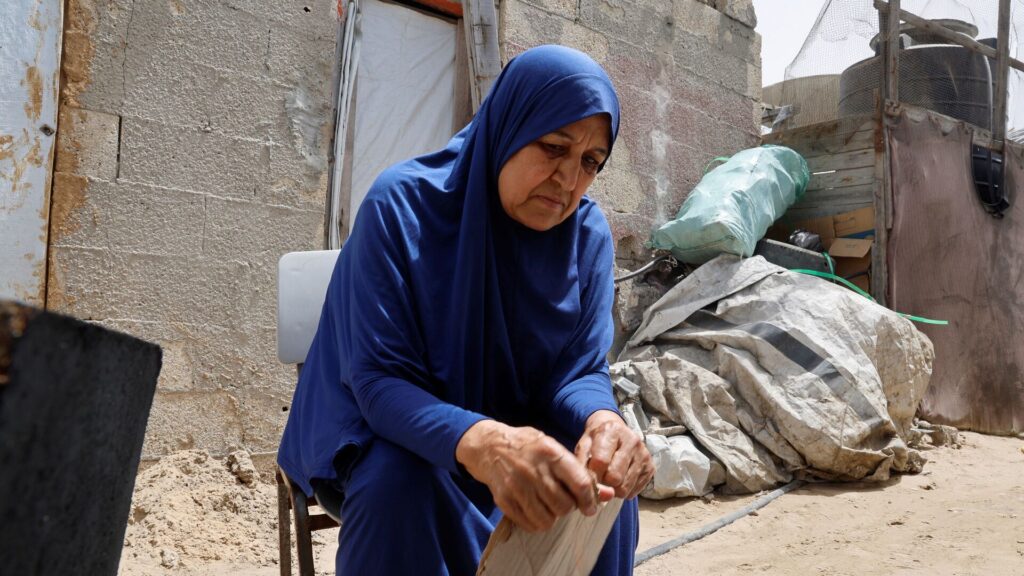
For years, 64-year-old Najia Abu Lehia from Gaza has dreamed of performing the Hajj pilgrimage alongside her husband. This religious journey, one of the Five Pillars of Islam, holds profound spiritual significance, representing a chance for purification, prayer, and unity for Muslims worldwide. Najia’s story, however, reflects the harsh reality faced by many Gazans who are confined by the Israeli blockade that has severely restricted movement in and out of the territory since 2007.
Najia’s longing to undertake the pilgrimage has been consistently thwarted by limited access and bureaucratic roadblocks imposed due to the blockade, which Israel enforces citing security concerns. Gaza, home to about two million Palestinians, is effectively sealed off with tightly controlled crossings, making international travel for residents arduous and often impossible without special permits.
The Israeli blockade restricts entry and exit points, including Rafah crossing controlled by Egypt, which is the primary gateway for Gazans to reach the outside world. However, this crossing opens irregularly and under strict conditions, further complicating plans for pilgrims like Najia.
In addition to travel restrictions, Gazans face frequent power outages, limited medical supplies, and economic hardships due to the blockade, all of which impact efforts to organize and fund pilgrimages. The ongoing political and security tensions in the region add layers of uncertainty and difficulty for those wishing to fulfill religious duties outside Gaza.
Najia’s story highlights the broader humanitarian and socio-political challenges in Gaza. Her desire to undertake the Hajj pilgrimage symbolizes the yearning for normalcy and spiritual fulfillment amid prolonged hardship.
Efforts by humanitarian organizations and international bodies to facilitate pilgrimages for Palestinians in Gaza have met with varying degrees of success, often hindered by geopolitical complexity. There have been calls for easing movement restrictions for religious purposes, acknowledging the fundamental right to freedom of worship.
The blockade’s impact extends beyond physical confines, affecting the psychological well-being and societal morale of Gazans. Najia’s personal hopes resonate with many Gazans who see the pilgrimage not just as a religious journey but as an escape from daily struggles and a moment of hope.
While diplomatic advances remain fraught and ceasefires tenuous, the human stories like Najia’s demand attention—highlighting the urgent need for policies that allow for humanitarian access and the protection of fundamental human rights. The complexities of the Middle East conflict often overshadow individual aspirations, reminding the international community of the personal costs endured behind headlines.
In conclusion, Najia Abu Lehia’s unfulfilled aspiration to perform the Hajj pilgrimage due to the Israeli blockade encapsulates the intersection of religion, politics, and human resilience. Her story stands as a poignant reminder of the broader impact of geopolitical strife on everyday lives and the enduring hope for peace, freedom, and spiritual fulfillment.