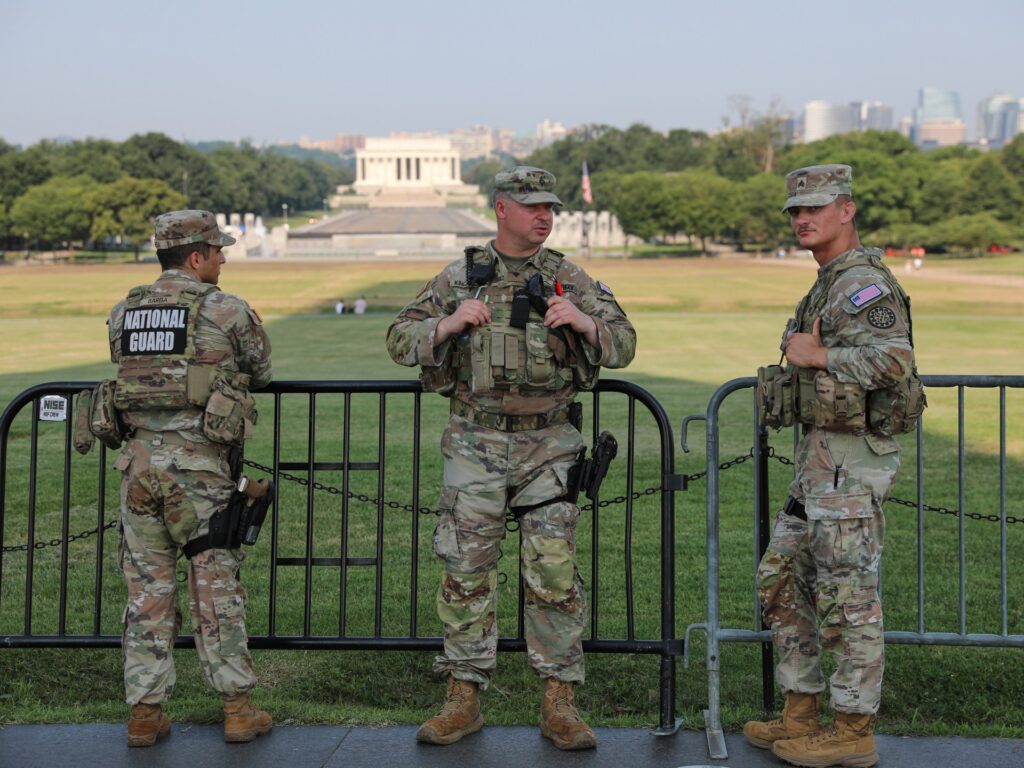
The recent deployment of the National Guard to Washington, DC, has shed light on the considerable financial burden borne by American taxpayers. According to official reports, the Pentagon estimates the total cost of this deployment at approximately $1.4 billion. This figure highlights the substantial resources involved in what has been one of the most heavily scrutinized and debated National Guard mobilizations in recent history.
The deployment was initially triggered by security concerns surrounding significant political events, necessitating an extensive military presence to maintain order and protection. Critics across the political spectrum have questioned the justification and scale of the operation, arguing that the fiscal impact outweighs the perceived benefits.
The $1.4 billion expense covers various factors, including personnel costs, equipment usage, transportation, and logistical support. The National Guard was called upon to provide additional security measures within the capital, responding to intelligence reports of potential threats. This required not only the mobilization of thousands of troops but also the deployment of specialized equipment and resources.
Many experts opine that while national security is paramount, the financial implications of such deployments must be carefully considered to ensure judicious use of public funds. Some lawmakers have pushed for more transparent budgeting and accountability measures to prevent excessive spending on future military operations of this nature.
The deployment also highlighted broader concerns about emergency preparedness and the federal response to domestic incidents. There are ongoing discussions about how to balance security needs with cost-efficient strategies, aiming to protect the public without overburdening taxpayers.
Opponents of the deployment point to alternative approaches, such as increased local law enforcement involvement and intelligence-sharing among agencies, which might reduce the necessity of such large-scale military presence. Proponents, however, emphasize that the National Guard’s presence was crucial in safeguarding democratic processes and ensuring public safety during a volatile period.
Additionally, the financial figures raise questions about long-term impacts on defense budgets. Some analysts note that while this deployment’s cost is significant, it is a one-time expenditure linked to specific events, potentially setting a precedent for future operations under similar circumstances.
The debate continues as government officials review the after-action reports and cost assessments, aiming to refine policies and improve operational efficiency. Transparency in these reviews will be vital to maintaining public trust and ensuring that national security efforts are both effective and economically sustainable.
In conclusion, the $1.4 billion cost of the National Guard deployment to Washington, DC offers a revealing glimpse into the complexities and challenges of funding large-scale military operations domestically. As discussions unfold, the hope is that lessons learned will guide smarter, more prudent allocations of government resources while upholding the safety and security of the nation.